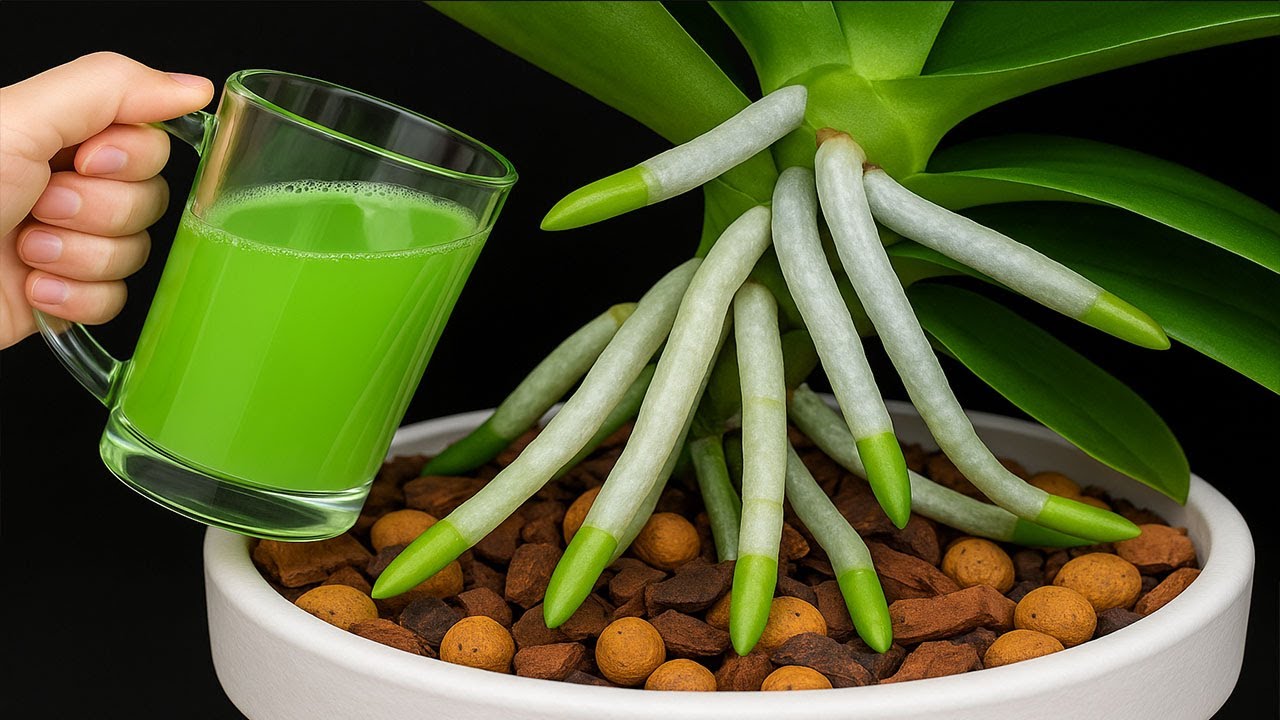
7 Secrets to Help Your Weak Orchids Bloom Like Crazy!
7 Secrets to Help Your Weak Orchids Bloom Like Crazy!
- Understanding Orchids
- Optimal Lighting Conditions
- Water and Fertilization Tips
- Maintaining Humidity Levels
- Common Mistakes to Avoid
- FAQs
Seeing a once-thriving orchid struggling to produce blooms can be disheartening. You may notice that its leaves are turning yellow or that the stems are limp and lack vigor. This scenario can leave you feeling helpless as you wonder how to revive your beloved plant. Understanding the right care techniques can make all the difference in restoring your orchid’s health and encouraging it to bloom abundantly again. Read on to discover effective secrets that can transform your weak orchids into flourishing beauties.
Understanding Orchids
Before diving into care techniques, it’s essential to understand the unique needs of orchids. These plants are diverse, with various species requiring tailored care. Here, we’ll take a closer look at their characteristics and natural habits.
Types of Orchids
- Phalaenopsis: These are the most popular orchids, characterized by flat, wide petals and a long bloom period.
- Cattleya: Known for their vibrant colors and large blooms, these orchids are ideal for adding a splash of brightness.
- Dendrobium: Recognized for their upright growth and small flowers, they thrive in well-draining conditions.
Natural Habitats
Orchids primarily grow in tropical forests, often as epiphytes, which means they derive nutrients from the air and rain rather than soil. Understanding this can help you recreate a suitable environment for your plants.
Optimal Lighting Conditions
One of the critical factors influencing orchid blooms is proper lighting. Each type has specific requirements, but there are general guidelines to follow.
Light Placement
- Identify the type: Know your orchid type to determine its ideal light conditions.
- Choose the right spot: Place your orchid near east or west-facing windows for bright, indirect light.
- Avoid direct sunlight: Direct rays can scorch leaves and stunt growth.
Using Artificial Light
If natural light is insufficient, consider using fluorescent or LED grow lights. Position them about 12 inches above the orchids for optimal growth.
Water and Fertilization Tips
Watering and fertilization are crucial for encouraging blooms in your orchids. Below are practical tips to keep in mind.
Proper Watering Techniques
- Check the roots: Water only when the roots have turned silvery gray, indicating dryness.
- Water thoroughly: Ensure water reaches the roots by allowing it to drain from the pot.
- Avoid standing water: Excess moisture can lead to root rot, a common issue among orchids.
Choosing the Right Fertilizer
Use a balanced orchid fertilizer, typically a 30-10-10 formulation. Fertilize every two weeks during the growing season and once a month during dormancy.
Maintaining Humidity Levels
Humidity plays a vital role in your orchid’s overall health. Most orchids thrive in humidity levels between 40-70%.
Creating Humidity
- Use a humidity tray: Place pebbles and water in a shallow tray beneath your orchid to increase moisture in the air.
- Group plants: Cluster your orchids together to create a microenvironment with higher humidity.
- Incorporate a humidifier: If the air in your home is too dry, consider using a humidifier during dry months.
Common Mistakes to Avoid
Even seasoned plant caregivers can make missteps with orchids. Here are some typical pitfalls to avoid.
- Overwatering: This is perhaps the most common mistake. Always check the roots before watering.
- Ignoring potting medium: Orchids require a special potting mix for proper drainage and airflow.
- Lack of repotting: Failing to repot every couple of years may hinder growth due to nutrient depletion.
FAQs
How often should I water my orchid?
Water your orchid when the potting mix feels dry to the touch, typically once a week or every ten days.
Can I use regular plant fertilizer for orchids?
While you can use a balanced water-soluble fertilizer, orchid-specific formulations are best for optimal health.
Why are my orchid leaves yellowing?
Yellowing leaves can indicate overwatering, poor lighting, or nutrient deficiency. Make sure to assess your care routine.
To sum up, understanding the delicate needs of your orchids and providing the right care can significantly enhance their blooming potential. Do you have your own tips for orchid care? Share your experiences in the comments below!