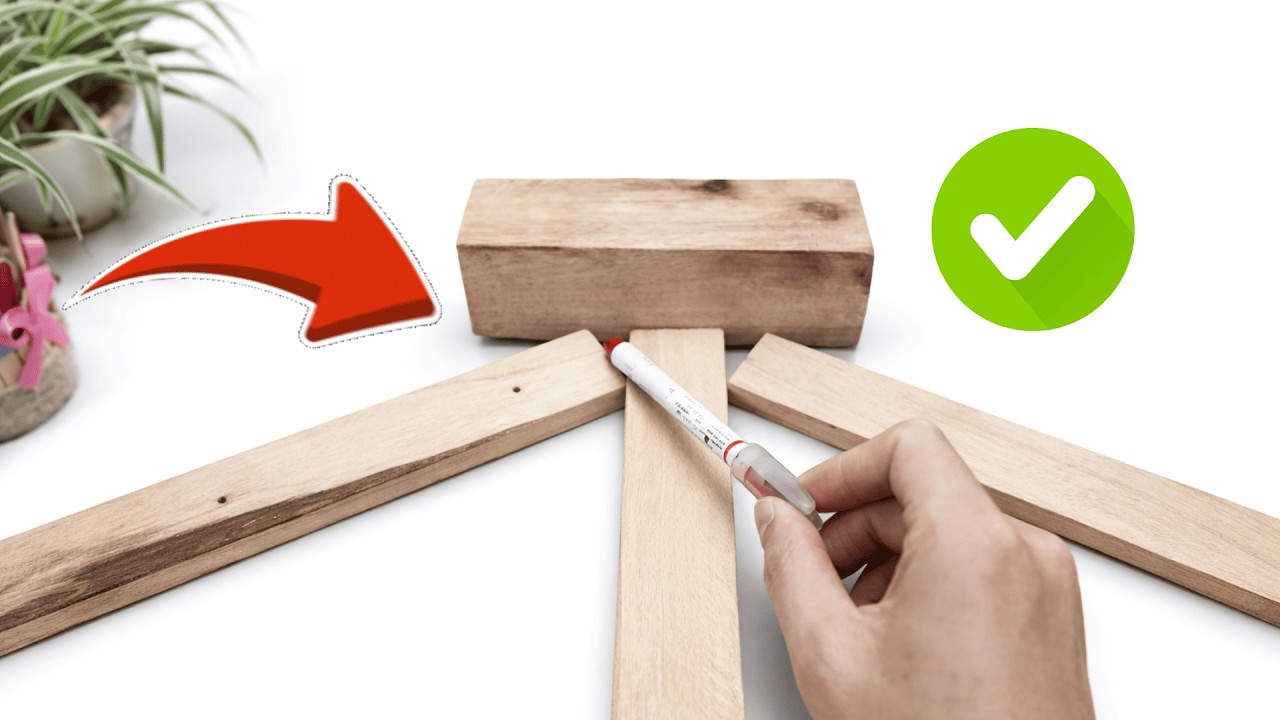
7 Clever Tips to Fix Misaligned Wood Joints Like a Pro!
Helpful Tips for Fixing Misaligned Wood Joints
- Causes of Misalignment
- Step-by-Step Fix for Wood Joints
- Practical Tips for Better Alignment
- Common Mistakes to Avoid
- FAQ
Causes of Misalignment
When working on woodworking projects, you may encounter misaligned joints that compromise the integrity of your work. This issue can arise from a variety of factors, making it essential to understand the root causes. One common reason is uneven or warped wood, often resulting from environmental changes. Another factor can be inaccuracies during the cutting process, especially if measurements weren’t precise. Lastly, the joining method itself can lead to misalignment if the techniques used are not suitable. Understanding these causes will better equip you to address the issue of misaligned wood joints effectively.
Step-by-Step Fix for Wood Joints
Fixing misaligned wood joints involves a few essential steps that will restore the joint’s integrity. Here’s a comprehensive step-by-step guide to help you align your wood joints like a pro.
1. Gather Your Materials
Before you start, ensure you have the following materials on hand:
- Wood glue
- Clamps
- Saw
- Screwdriver
- Wood filler
2. Assess the Condition of the Joint
Examine the misaligned wood joint closely. Determine whether it can be adjusted and how much misalignment there is. This understanding will guide your next steps:
- Mark the areas to be adjusted.
- Decide if additional cuts or adjustments will be needed.
3. Realigning the Joint
To realign the joint, follow these instructions:
- Remove any existing screws or nails if necessary.
- Apply a generous amount of wood glue to the joint surfaces.
- Press the pieces together and use clamps to hold them in place until the glue dries.
4. Finishing Touches
Once the glue is fully cured, assess the joint one more time. Fill any gaps with wood filler, then sand the area to create a smooth finish. You can also consider painting or staining the repaired section for a better look.
Practical Tips for Better Alignment
Check Your Measurements
Before making any cuts, always double-check your measurements. Accuracy is key when joining pieces of wood. A simple miscalculation can lead to problems down the line.
Use Quality Tools
Investing in quality tools can significantly improve your results. High-quality saws and clamps will help ensure that cuts are clean and joints fit tightly.
Practice on Scrap Wood
If you’re trying a new technique, practice on scrap wood first. This will give you a feel for the process and help you avoid mistakes with your project pieces.
Common Mistakes to Avoid
Even seasoned woodworkers can make mistakes. Here are common pitfalls related to fixing misaligned wood joints:
- Rushing the process can lead to oversight, causing further misalignment.
- Neglecting to use clamps properly may result in a weak joint.
- Using too much or too little glue can undermine the integrity of the joint.
- Failing to allow glue enough time to cure can lead to additional misalignments.
FAQ
What tools do I need to fix misaligned wood joints?
You will need wood glue, clamps, a saw, a screwdriver, and wood filler to fix misaligned joints effectively.
Can I fix a misaligned joint after it has been painted?
Yes, you can still fix a misaligned joint after it has been painted; however, you may need to sand and repaint the repaired area for a seamless appearance.
How can I prevent joints from misaligning in future projects?
To prevent misalignment, always ensure accurate measurements, use quality materials, and choose appropriate joining methods for your wood pieces.
Conclusion
Fixing misaligned wood joints is achievable by understanding the causes and following practical steps. With the right approach and careful attention, you can ensure your woodworking projects remain sturdy and visually pleasing. What challenges have you faced with wood joints, and how did you address them?