
6 Warning Signs You’re Eating Too Much Fast Food – Don’t Ignore These!
6 Warning Signs You’re Eating Too Much Fast Food – Don’t Ignore These!
Understanding Fast Food
It’s easy to fall into the habit of ordering fast food, especially on busy days or during long afternoons when convenience seems essential. Many find themselves relying on drive-thrus for breakfast, lunch, and dinner, often without realizing the toll it may take on their health. Fast food is typically high in calories, unhealthy fats, sugars, and sodium. As these meals become a larger part of your diet, certain warning signs may emerge, and it’s crucial to pay attention to them.
Impact on Health
Fast food can lead to several health issues, both in the short and long term. When consumed excessively, it can contribute to significant weight gain and various other health complications. Here’s an overview of how these meals affect your well-being:
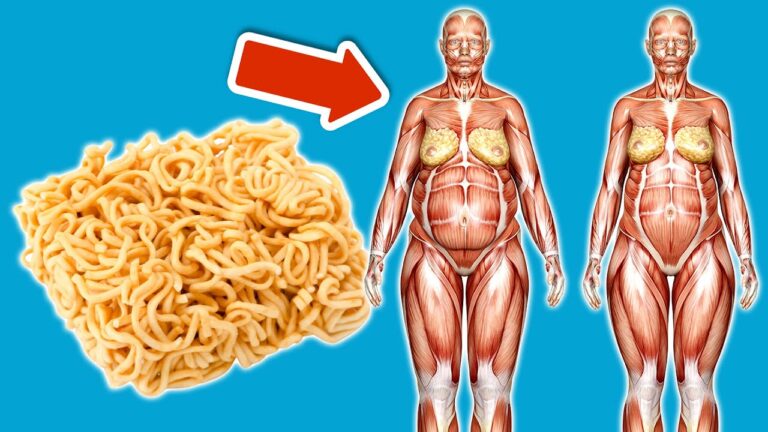
1. Weight Gain
The high caloric content in fast food can lead to weight gain, especially when not balanced with physical activity. Ingredients like sugary soda and fried items add up quickly.
2. Nutritional Deficiencies
Although satisfying, fast food often lacks the essential nutrients your body needs. The absence of fresh fruits and vegetables can lead to deficiencies over time.
3. Increased Risk of Chronic Diseases
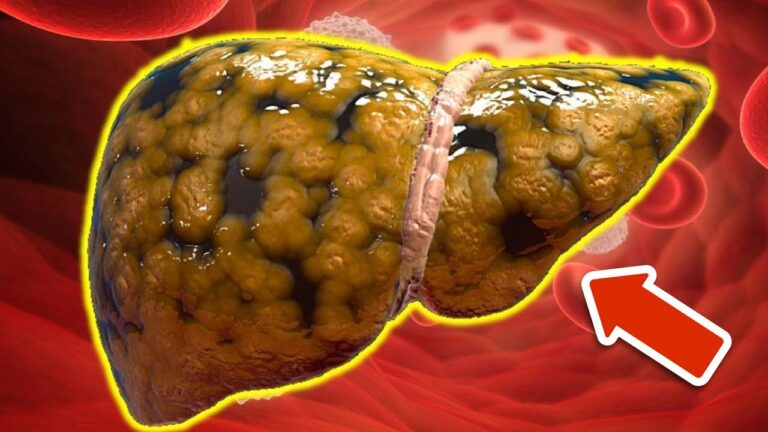
A diet high in fast food is associated with issues like heart disease, diabetes, and high blood pressure. It’s essential to be aware of these risks as fast food consumption increases.
Common Signs of Overconsumption
Recognizing the signs of eating too much fast food is important to maintain a balanced diet. Here are some symptoms that could indicate you might need to reevaluate your eating habits:
1. Unexplained Fatigue
- Monitor your energy levels throughout the day. If you feel constantly tired, it may be related to your diet.
- Consider how often you’re consuming processed meals that lack necessary nutrients.
2. Frequent Cravings
If you experience intense cravings for unhealthy snacks shortly after eating, it might signal that your last meal didn’t provide adequate nutrition. Try incorporating more balanced meals rich in whole foods.
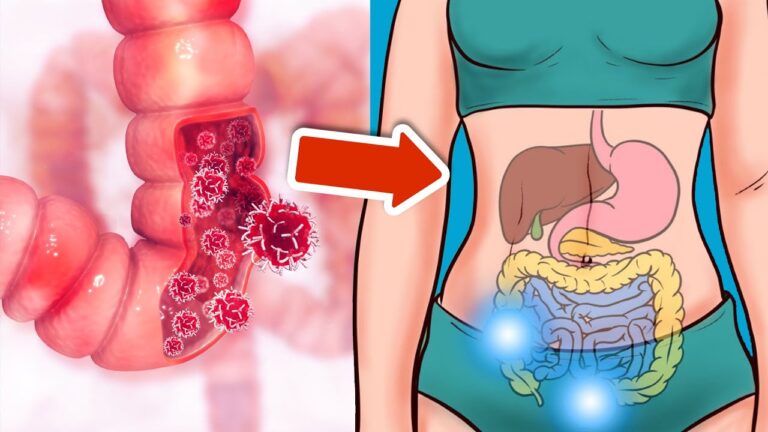
3. Digestive Issues
Fast food is often high in fats and low in fiber. If you find yourself dealing with bloating, gas, or irregular bowel movements, it could be a direct result of your diet.
4. Skin Problems
Skin issues like acne or dullness can also arise from a diet heavy in fast food, often due to high sugar and unhealthy fat content. Consider how your food choices impact your complexion.
5. Mood Swings
Your diet plays a crucial role in your mental health. If you notice frequent mood swings or irritability, revisiting your eating habits may be beneficial.
Mistakes to Avoid
Being mindful of your eating habits can help you steer clear of mistakes that contribute to fast food overconsumption. Here are common pitfalls:
- Falling into Routine: Relying on fast food due to convenience creates a habit that’s tough to break.
- Ignoring Portion Sizes: Many fast food meals are larger than you might realize. Being aware of portion sizes can help in making healthier choices.
- Overlooking Alternatives: There are often healthier options available. Ignoring them limits your dietary variety and may lead to poor nutrition.
- Eating Out of Boredom: Turning to fast food when feeling bored or stressed can reinforce unhealthy eating patterns. Consider other activities or healthier snacks instead.
FAQ
How often is it okay to eat fast food? While moderation is key, aiming for fast food consumption no more than once a week is generally a healthier choice.
Are there healthier options at fast food places? Yes, many fast food restaurants now offer salads, grilled chicken, and fruit as alternatives to traditional meals.
Can I make fast food healthier at home? Absolutely! You can recreate your favorite fast food meals using fresh ingredients, whole grains, and healthier cooking methods.
Conclusion
Recognizing the signs of consuming too much fast food is essential for your health. By listening to your body and making small adjustments, you can steer toward a more nutritious diet. What changes have you considered making in your eating habits recently?