
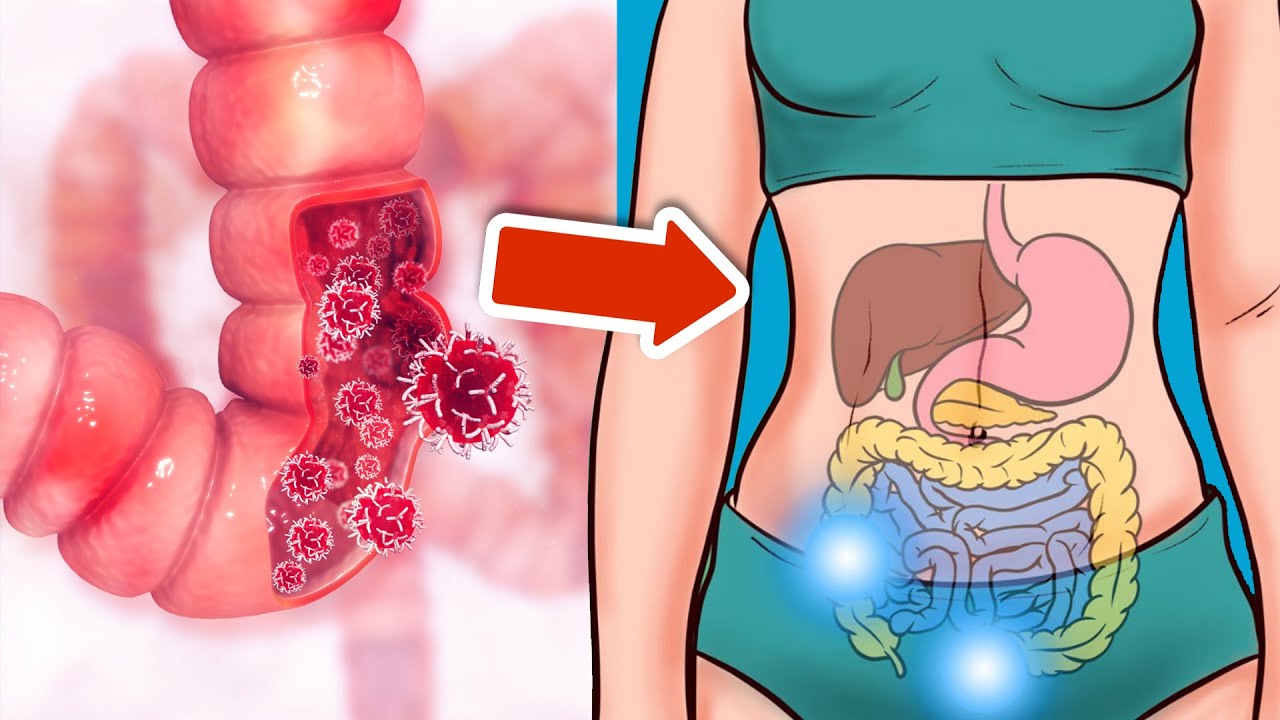
7 Early Warning Signs of Colon Cancer You Must Not Ignore!
Recognizing the Early Warning Signs of Colon Cancer
- Common Symptoms to Watch For
- Changes in Bowel Habits
- Unexplained Weight Loss
- Abdominal Discomfort and Pain
- Mistakes to Avoid
- FAQ
You may sometimes experience discomfort during your daily routine, and it’s easy to dismiss these feelings as temporary. However, specific signs can indicate more serious health concerns. Being aware of the early warning signs of colon cancer is crucial for your health. This guide aims to help you identify these symptoms early, so you can take proactive steps. Let’s dive deeper into this topic to better understand your health.
Common Symptoms to Watch For
While colon cancer can manifest differently in each individual, there are several common symptoms that many people report. Recognizing these signs early can lead to prompt medical evaluation and intervention.
1. Changes in Bowel Movements
Noticing irregular changes in your bowel habits can be a key indicator. Look for:
- Diarrhea or constipation lasting more than a few days.
- A change in the consistency of your stool.
- Symptoms that seem different from your usual patterns.
2. Rectal Bleeding
Blood in your stool, or rectal bleeding, is often concerning. This can be a sign of various conditions, but it’s essential to consult a healthcare provider if you notice:
- Bright red blood or dark, tarry stools.
- Blood accompanying your bowel movements regularly.
3. Abdominal Discomfort
Another common symptom is persistent abdominal pain or discomfort. Consider:
- Cramping that doesn’t subside.
- Gas and bloating that feel unusual.
Changes in Bowel Habits
Changes in your bowel habits may happen gradually, making them easy to overlook. Understanding the types of changes to look for can help you catch potential warning signs earlier.
1. Length of Changes
It’s crucial to observe how long the changes are occurring:
- Monitor symptoms that last longer than a few weeks.
- Keep track of any irregularities that are out of character for you.
2. Frequency of Bowel Movements
If you find yourself going to the bathroom significantly more or less than normal, this warrants attention:
- Frequent urges with little output can be alarming.
- A sudden decrease in frequency might also signal a problem.
3. Changes in Stool Color and Texture
Pay attention to your stool’s appearance, as changes can reveal much:
- A shift to a darker color can indicate bleeding.
- Changes in texture – e.g., firmer or more liquid – should also be noted.
Unexplained Weight Loss
Another warning sign to be mindful of is sudden, unexplained weight loss. This can be alarming and should not be dismissed.
1. Tracking Weight Over Time
If you’re losing weight without trying or changing your diet, keep the following in mind:
- Measure your weight consistently to track changes accurately.
- Document any dietary changes that accompany the weight loss.
2. Accompanying Symptoms
Weight loss can often come with other symptoms, which may help pinpoint the cause. Look for:
- Fatigue or lack of energy.
- Reduced appetite or food aversions.
3. Psychological Factors
Stress or emotional challenges can impact your weight as well:
- Consider if emotional well-being is connected to weight changes.
Abdominal Discomfort and Pain
Understanding abdominal pain can help you differentiate between normal aches and potential signs of colon cancer.
1. Analyzing Location and Intensity
When experiencing abdominal pain, evaluate its location and severity:
- Pinpoint whether the pain is localized or more widespread.
- Rate the intensity of the discomfort.
2. Types of Discomfort
Different types of abdominal discomfort can signify various issues:
- Cramping or sharp pains may require further examination.
- Persistent dull pain might also be a reason for concern.
3. Associated Symptoms
Pay attention to other symptoms that might accompany your abdominal pain:
- Nausea, vomiting, or loss of appetite.
- Fever or unusual fatigue levels.
Mistakes to Avoid
Being proactive about your health is essential, but there are common mistakes that can hinder early detection of colon cancer.
1. Ignoring Symptoms
Dismissing symptoms as temporary can lead to delays in diagnosis:
- Don’t overlook subtle signs or play them down.
2. Delaying Doctor’s Appointments
It’s vital not to wait too long to see a healthcare provider:
- Prompt medical attention can make a significant difference.
3. Relying on Online Information Alone
While researching can be helpful, it shouldn’t replace expert advice:
- Always discuss symptoms with a healthcare professional.
4. Overlooking Family History
Your family history matters when considering your health:
- Make sure to inform your doctor of any related family health issues.
FAQ
What are the early signs of colon cancer?
Typical early signs include changes in bowel habits, rectal bleeding, unexplained weight loss, and abdominal discomfort.
How often should I be screened for colon cancer?
Screening recommendations vary but generally suggest starting at age 45, or earlier if there’s a family history.
Are there risk factors for colon cancer?
Yes, risk factors include age, family history, sedentary lifestyle, and certain dietary choices.
Recognizing the early warning signs of colon cancer can make a significant difference in your health journey. Staying informed and proactive is key to prevention. Have you noticed any of these symptoms in yourself or someone you care about?