5 Quick Tips to Clean Your Radiators and Freshen Up Your Home Air
5 Quick Tips to Clean Your Radiators and Freshen Up Your Home Air
- Introduction
- Effective Cleaning Methods
- Cleaning Schedule Tips
- Common Mistakes to Avoid
- FAQ
- Conclusion
Introduction
As the seasons change, you might notice that the air quality in your home isn’t as fresh as it could be. This is often due to dust and allergens collecting in places you might not think to clean, such as your radiators. If you’ve been coughing or sneezing more frequently, it might be time to give those radiators a thorough cleaning. The good news is that it doesn’t have to be a tedious task. Let’s explore some efficient ways to keep your radiators clean and air crisp.
Effective Cleaning Methods
To ensure that you maintain a healthy living environment, consider implementing these effective radiator cleaning methods.
1. Gather Your Supplies
- Dust cloths or microfiber rags
- Vacuum with a brush attachment
- Warm soapy water
- Drying cloths
2. Turn Off the Heat
Before you begin, it’s essential to turn off the heating to avoid burns and to let the radiator cool down. This will make your cleaning process safer and more efficient.
3. Dust and Vacuum
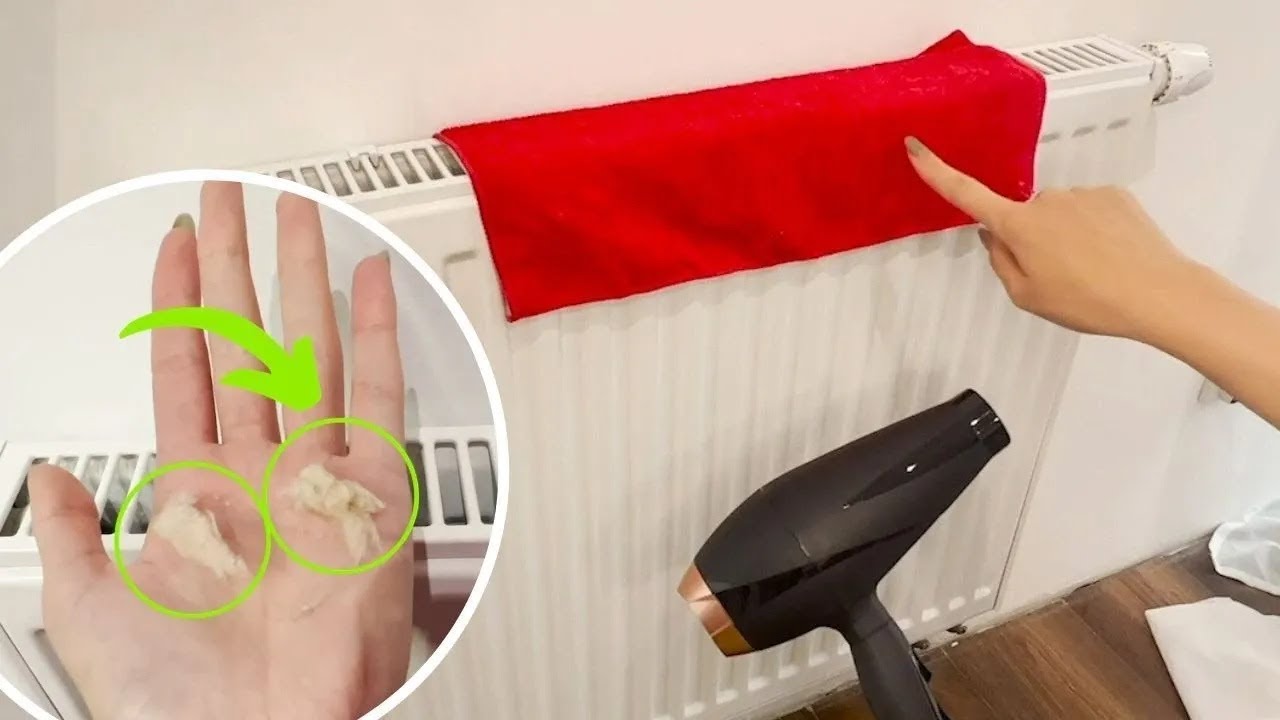
Use a microfiber cloth to wipe the surface of the radiator, removing dust and allergens. For hard-to-reach spots, utilize a vacuum with a brush attachment to thoroughly clean the crevices. This will help reduce dust circulation in your home.
4. Wipe Down with Soapy Water
Dip a cloth in a solution of warm soapy water and wring it out before wiping down the radiator. This helps eliminate any stubborn grime that may have built up. Ensure to dry it afterwards to prevent any moisture buildup.
5. Freshen with Essential Oils
For an added touch, consider adding a few drops of essential oils like lavender or tea tree oil to your cleaning solution. This will not only clean the radiator but also leave a refreshing scent in your home.
Cleaning Schedule Tips
Maintaining a regular cleaning schedule can help keep your radiators and air quality in check throughout the year.
1. Seasonal Cleaning
Plan to clean your radiators at least twice a year — ideally at the beginning of spring and again in fall. This ensures you remove accumulated dust before and after the heating season.
2. Monthly Dusting
In between deep cleanings, make it a habit to dust your radiators monthly. This simple task will prevent excessive buildup and keep the air in your home fresher.
3. Monitor Air Quality
Invest in an air quality monitor to track the levels of dust and allergens in your home. This will help you determine when your cleaning tasks should be prioritized.
Common Mistakes to Avoid
While cleaning your radiators, be mindful of these common mistakes to maximize your efforts.
1. Ignoring the Vents
Many homeowners focus solely on the radiator surface. Failing to clean the vents limits airflow and can lead to overheating issues. Make sure to clean those areas thoroughly as well.
2. Using Harsh Chemicals
Some cleaning products contain harsh chemicals that may damage the radiator finish. Stick with warm soapy water or natural cleaners to avoid any potential harm.
3. Not Drying Thoroughly
Leaving moisture on your radiator can lead to mold and mildew buildup. Always ensure that you dry your radiator completely after cleaning.
FAQ
Q: How often should I clean my radiators?
A: It’s recommended to clean your radiators at least twice a year, with monthly dusting in between for best results.
Q: Can I use vinegar to clean my radiators?
A: Yes, a mixture of vinegar and water is an excellent natural cleaner. Just make sure to dry the radiator thoroughly after cleaning.
Q: Do I need to turn off the radiators before cleaning?
A: Absolutely. Always turn off the heat and allow the radiators to cool down before cleaning to ensure safety.
Conclusion
Regularly cleaning your radiators is essential for maintaining a fresh and healthy indoor environment. By following these tips, you can easily enhance air quality in your home. What strategies do you use to keep your heating systems clean and your air fresh? Share your thoughts in the comments!