4 Surprising Health Insights Your Sweat Reveals About You
4 Surprising Health Insights Your Sweat Reveals About You
- Understanding Sweat
- Health Indicators of Sweat
- Factors Influencing Your Sweat
- Common Mistakes to Avoid
- FAQ
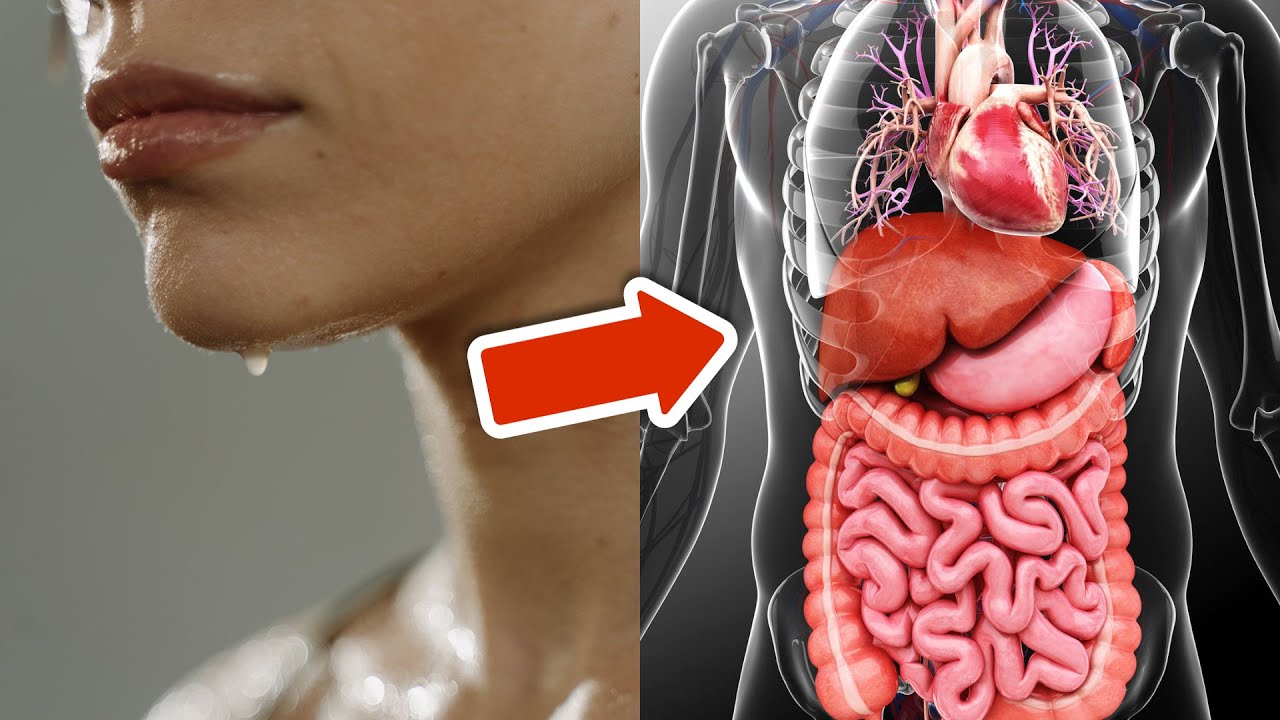
You’ve just finished a workout, and beads of sweat are dripping down your forehead. As you catch your breath, you might wonder if that sweat is simply a sign of hard work or if it holds deeper health insights. Most people view sweat merely as moisture, but it can actually tell you a lot about your body. Curious about what your sweat is revealing? Continue reading to uncover the hidden health messages your sweat might be conveying.
Understanding Sweat
Sweat, primarily composed of water, also contains electrolytes and various other substances. Understanding the composition of your sweat can be the first step toward understanding your health. Here are a few aspects to consider:
1. Composition of Sweat
Sweat has a mix of sweat glands at work. Here’s a brief overview of what it contains:
- Water
- Salt (sodium and chloride)
- Urea and lactate
2. Types of Sweat Glands
Your body contains two main types of sweat glands, each serving different purposes:
- Eccrine Glands: These are found all over your body and are responsible for regulating body temperature through sweat.
- Apoffrine Glands: Located mainly in your underarms and groin, these glands become active during puberty and are linked to emotional stress.
Health Indicators of Sweat
Your sweat can inform you about several health aspects. Here are some surprising indicators that might emerge:
1. Hydration Levels
The concentration of salts in your sweat can indicate how hydrated you are. High salt levels might suggest you need to drink more water.
2. Stress and Hormonal Changes
Increased sweating in specific areas can indicate emotional stress. When stressed, your body releases hormones that activate your sweat glands.
3. Nutritional Deficiencies
Your sweat can also point to possible nutritional deficiencies. For example, an unusual odor might indicate low carbohydrate intake or certain dietary restrictions.
Factors Influencing Your Sweat
Your sweat can be influenced by various factors beyond just exercise. Here are some elements to take into account:
1. Climate and Temperature
The local climate directly affects how much you sweat. Hot and humid conditions will lead to increased perspiration.
2. Fitness Level
Interestingly, your fitness level can determine how efficiently your body cools itself through sweat. Fitter individuals often sweat more efficiently.
3. Medications and Health Conditions
Some medications may increase sweating as a side effect. Similarly, health conditions like hyperhidrosis or diabetes can alter your sweat production.
Common Mistakes to Avoid
Understanding your sweat is valuable, but there are some common misconceptions to be aware of:
1. Ignoring Unusual Odors
Many people overlook changes in sweat odor, which can be a critical health indicator.
2. Only Associating Sweat with Exercise
Don’t assume that sweat is only related to physical activity. Emotional states and heat exposure can also cause sweating.
3. Relying Solely on Sweat for Hydration
While sweat can indicate hydration levels, it shouldn’t be the only gauge. Regularly drinking water is essential.
FAQ
What does it mean if my sweat smells different? A change in sweat odor may indicate dietary changes or potential health issues. If you notice a persistent change, consider consulting a healthcare provider.
Can sweating help me lose weight? While sweating can help you lose water weight temporarily, it doesn’t result in fat loss. Long-term weight management relies on diet and exercise.
Is it normal to sweat excessively? While some sweating is normal, excessive sweating could be a sign of hyperhidrosis or another condition. Consulting a doctor would be the best course of action if you have concerns.
In summary, understanding the insights your sweat can reveal about your health can help guide your wellness journey. What surprising insights have you discovered from your body recently?