10 Genius Hand Stitches to Fix Any Hole – You’ll Want to Try These Forever!
10 Easy Hand Stitches for Repairing Holes in Your Clothes
- Introduction
- Required Materials
- Common Hand Stitches
- Repairing Methods
- Mistakes to Avoid
- FAQ
- Conclusion
Introduction
Have you ever come across a favorite piece of clothing, only to find a pesky hole that makes it unwearable? It’s a frustrating situation that many of us face, especially with our beloved garments. Repairing holes doesn’t have to feel daunting, though. You can easily restore your clothing with a few hand stitches that are both practical and visually appealing. Read on to discover various stitches that will not only salvage your favorite items but also add a touch of charm to your wardrobe.
Required Materials
Before diving into the various hand stitches, it’s essential to gather the right materials. Here’s a list of what you will need:
- Thread: Choose a color that closely matches your fabric.
- Needles: A variety of hand sewing needles, depending on the fabric thickness.
- Fabric scissors: For trimming any frayed edges.
- Pins: To hold the fabric in place while you sew.
- Fabric patches: Optional, for a more decorative touch.
Common Hand Stitches
When it comes to sewing, knowing a few fundamental stitches can be a game-changer. Here are some of the most useful hand stitches for mending holes:
1. Running Stitch
The running stitch is one of the simplest yet most effective stitches. It’s great for quickly closing holes.
- Thread the needle and tie a knot at the end.
- Insert the needle from the backside of the fabric to hide the knot.
- Pull it through and continue sewing in a straight line, alternating from front to back.
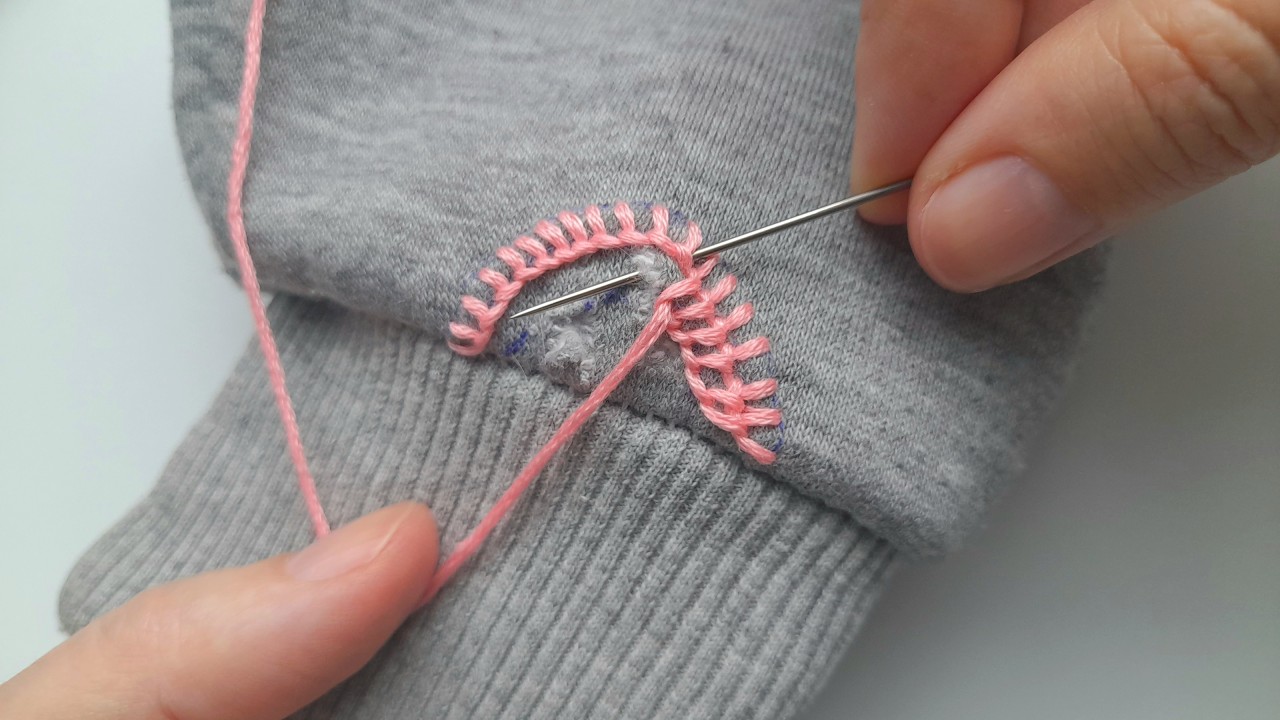
2. Whip Stitch
The whip stitch is excellent for hems and edges. It creates a neat finish and is also very durable.
- Position the edges of the hole together.
- Insert the needle through both layers at an angle, pulling it through.
- Repeat along the edge, creating a “whip” effect.
3. Backstitch
The backstitch is perfect for a sturdy seam. It is stronger than a running stitch.
- Start with a small stitch, and then insert the needle back one stitch length from where you began.
- Pull it through and repeat.
4. Overcast Stitch
The overcast stitch is useful for preventing fraying by sewing along the edge of the fabric.
- Place your needle at the end of the fabric edge.
- Wrap the thread over the edge and bring it back through.
- Continue this along the edge of the hole.
Repairing Methods
Understanding how to apply these stitches will enhance your sewing skills significantly. Different methods can cater to various fabric types and hole sizes.
1. Small Holes
For small holes, using a combination of the running stitch and backstitch can be particularly effective.
- Position the fabric so that the hole is well-aligned.
- Use the running stitch to close the hole and then apply the backstitch for added strength.
2. Large Holes
For larger holes, consider using a patch along with your chosen stitch to provide more support.
- Cut a fabric patch larger than the hole.
- Pin the patch over the hole and secure it using the whip stitch or overcast stitch.
3. Decorative Mending
If you wish to turn your repairs into a fashion statement, consider using contrasting thread for a decorative effect.
- Choose a vibrant thread that catches the eye.
- Experiment with different stitches to create unique patterns.
Mistakes to Avoid
When mending clothes, certain common mistakes can hinder the quality of your repairs. Here are a few to keep in mind:
- Using too much thread can lead to visible knots and tangles.
- Not securing the knot well enough can cause stitches to unravel.
- Ignoring the fabric type can lead to incompatible stitches, making repairs less effective.
- Skipping the pressing step can result in uneven fabric when sewing.
- Neglecting to trim frayed edges may weaken the area further.
FAQ
What types of fabric are best for hand sewing?
Natural fibers like cotton and linen are ideal for hand sewing, as they hold stitches well and are easy to work with.
How can I prevent fabric fraying?
Using an overcast stitch or applying a fabric patch can effectively prevent fraying around the edges of a hole.
Is hand sewing suitable for all clothing materials?
While hand sewing is versatile, it’s best suited for lighter fabrics; heavier fabrics may require a sewing machine for best results.
Conclusion
Mastering these hand stitches will not only help you repair holes in clothing but also enrich your sewing skills. With practice, you’ll find joy in mending and perhaps discover new creative expressions in your style. Which stitching technique are you excited to try first?