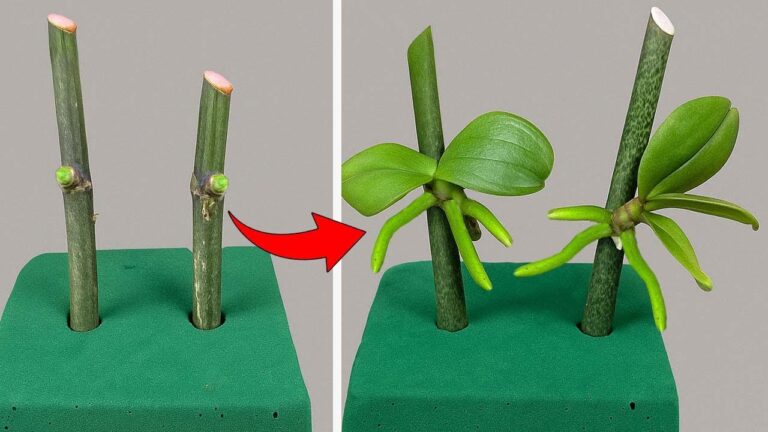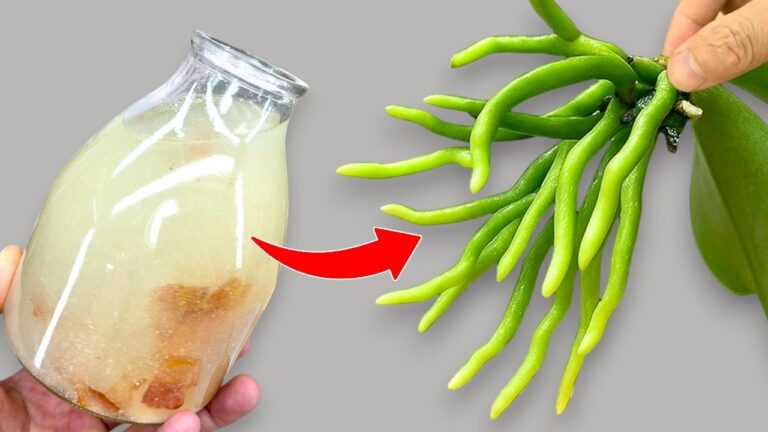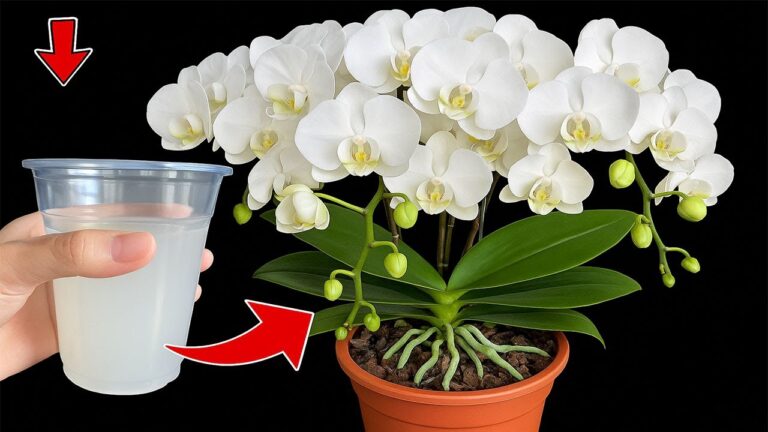
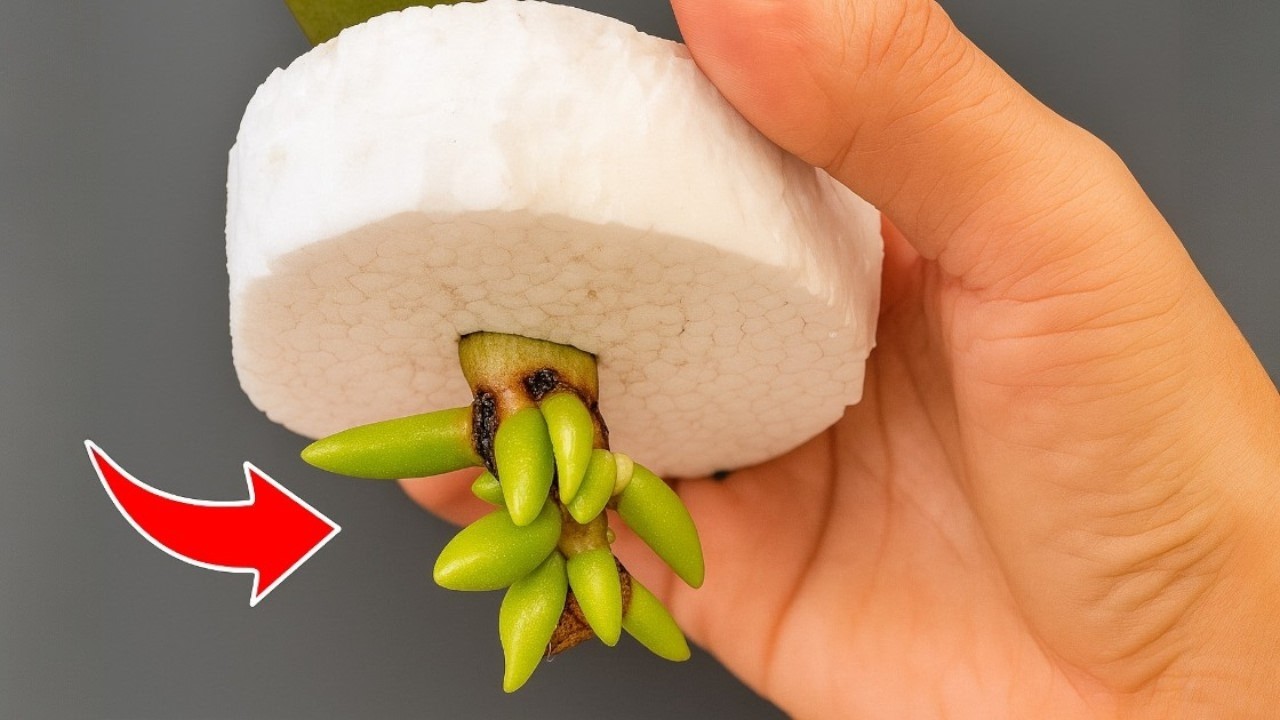
Root Orchids in 5 Easy Steps for Year-Round Blooms! Discover the Secret Today!
Root Orchids in 5 Easy Steps for Year-Round Blooms
- Introduction
- Step-by-Step Guide to Rooting Orchids
- Essential Care Tips for Orchids
- Common Mistakes to Avoid
- FAQ
- Conclusion
Introduction
Imagine an empty corner of your home, longing for a touch of nature. You might have considered bringing in an orchid, captivated by its elegant blooms and vibrant colors. However, nurturing these delicate plants can seem daunting, especially when it comes to their roots. Understanding how to properly root orchids is essential for keeping them vibrant and healthy, allowing you to enjoy their beauty year-round. Keep reading to uncover the essential steps for successful orchid rooting.
Step-by-Step Guide to Rooting Orchids
Successfully rooting orchids takes attention to detail and the right techniques. Follow this practical guide to ensure your orchids thrive.
1. Gather Your Materials
- Orchid mix: Buy a specialized orchid potting mix that includes bark and other organic materials.
- Pot: Use a container with drainage holes to prevent water accumulation.
- Water: Ensure you have distilled or rainwater for optimal results.
2. Prepare The Orchid
Before rooting, it’s vital to prepare the orchid properly. Start by gently removing it from its current pot, being careful not to damage the roots. Examine the roots for any signs of rot or disease, and trim away any unhealthy portions with sterilized scissors.
3. Plant the Orchid
Now that your orchid is prepared, it’s time to root it. Follow these steps:
- Place the orchid: Position the orchid’s roots into the new pot, spreading them out gently.
- Add the potting mix: Fill the pot with orchid mix, ensuring the roots are well-covered but not packed tightly.
- Water: Lightly water the planted orchid, allowing excess to drain out through the holes.
4. Create a Suitable Environment
Orchids thrive in warm, humid conditions. Consider these tips for their environment:
- Temperature: Keep the temperature between 65°F to 75°F (18°C to 24°C).
- Humidity: Aim for humidity around 50-70%; a humidity tray can help.
- Lighting: Place your orchids in bright, indirect sunlight for optimum growth.
5. Monitor and Adjust
After your orchids are planted, continuous care is necessary. Check for the following:
- Watering: Water only when the top inch of the mix feels dry.
- Feeding: Use a diluted orchid fertilizer every 2-4 weeks during the growing season.
- Pests: Keep an eye out for pests and remove them promptly.
Essential Care Tips for Orchids
Providing optimal care will keep your orchids blooming beautifully. Here are some practical tips to help you maintain their health:
1. Proper Watering Techniques
Overwatering is a common mistake with orchids. Ensure your pots have good drainage and allow the mix to dry out slightly before watering again.
2. Ideal Light Conditions
While orchids love light, too much direct sunlight can scorch their leaves. Consider east or west-facing windows for the best light exposure.
3. Seasonal Changes
Adjust your care routine with the seasons. In winter, reduce watering as growth slows down, while in spring and summer, your orchid may require more attention and nourishment.
Common Mistakes to Avoid
Even experienced plant lovers can make errors. Avoid these common pitfalls to ensure your orchids stay healthy:
- Using regular potting soil instead of an orchid mix can suffocate roots.
- Overwatering or underwatering can lead to root rot.
- Not providing enough humidity can hinder growth.
- Forgetting to fertilize during the growing season may limit blooming.
- Ignoring signs of pests or disease can lead to more significant issues.
FAQ
How often should I water my orchids?
Water your orchids every 1-2 weeks, ensuring the top inch of the potting mix is dry before re-watering.
What type of light do orchids need?
Orchids thrive in bright, indirect light. Avoid placing them in direct sunlight to prevent leaf burn.
How can I encourage blooming in my orchids?
Ensure they have the right balance of light, water, and nutrition. A change in temperature can also encourage flowering.
Conclusion
Rooting orchids requires careful attention and the right conditions, yet the rewards are undeniable with their stunning blooms. By understanding the steps and avoiding common mistakes, you can cultivate healthy orchids that bring joy to your space. What tips have you found useful in growing your orchids? Share your thoughts in the comments!