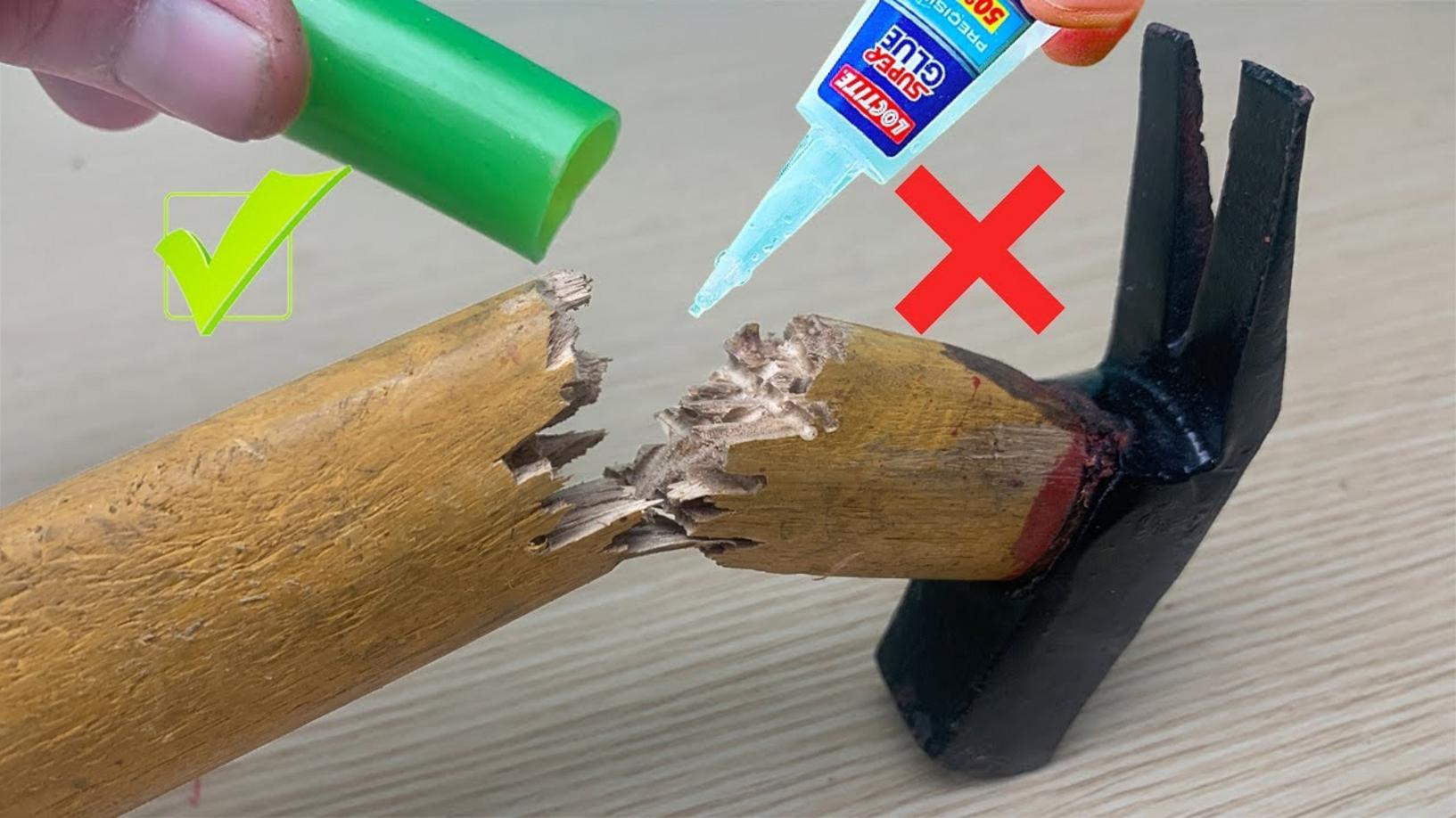
This simple technique transforms PVC pipes into a sturdy hammer… you’ll be amazed!
This Simple Technique Transforms PVC Pipes into a Sturdy Hammer… You’ll Be Amazed!
Are you tired of your **dented** or **worn-out hammers**? Do you want a reliable tool without breaking the bank? You’re in for a treat! This article will reveal a clever **plumber’s secret trick** to create a sturdy hammer using just **PVC and PRC pipes**. Grab your materials, and let’s dive into this simple yet effective DIY project!
What You’ll Need
- PVC pipe (about 1-2 feet long)
- PRC pipe (for added weight)
- Finishing nails or adhesive
- Cuts of foam or rubber (for grip)
- Cutting tool (hack saw or pipe cutter)
- Sandpaper (optional, for smooth edges)
Step-by-Step Guide to Creating Your PVC Hammer
Step 1: Cut the Pipes
Using the cutting tool, cut a piece of **PVC pipe** to your desired length, typically around 1 foot to ensure it’s comfortable to handle. If you want to add weight, cut a piece of **PRC pipe** that fits snugly inside the PVC pipe.
Step 2: Assemble the Hammer
Insert the **PRC pipe** into the **PVC pipe**. This gives your hammer extra heft. Ensure it fits securely, as this will add to the durability of your tool.
Step 3: Attach the Head
If you prefer a more traditional hammer look, you can attach a flat piece of wood or a heavier **material** to the end of the PVC pipe using **finishing nails** or strong adhesive. This will serve as the hammerhead.
Step 4: Add a Comfortable Grip
Wrap the handle with foam or rubber for better grip. This not only makes it comfortable but also helps absorb shock during use. Make sure it’s securely wrapped and stick it down with some adhesive if necessary.
Step 5: Finishing Touches
Finally, use sandpaper to smooth out any rough edges on the pipe, ensuring safety and comfort when using your new hammer. Now you’re ready to start hammering!
Practical Tips Based on Experience
- Consider using **PVC cement** for a stronger bond, especially if you’re attaching multiple components.
- For additional flair, you can paint your hammer with weather-resistant paint.
- Try different lengths of PVC pipe to see which size feels best for you.
Common Mistakes to Avoid
- Not ensuring a snug fit between the PVC and PRC pipes can lead to stability issues.
- Using too much adhesive can create a mess; a little goes a long way!
- Forgetting to sand the edges can lead to rough spots that are uncomfortable to hold.
Conclusion: Grab Your Tools and Get Started!
Now that you know how to create a durable hammer using **PVC and PRC pipes**, it’s time to put your skills to the test. This simple technique not only saves you money but also gives you the satisfaction of crafting your own tools. Don’t hesitate—get your materials today and start your DIY journey! For more fun projects like this one, subscribe to my channel and enjoy the joy of doing it yourself!