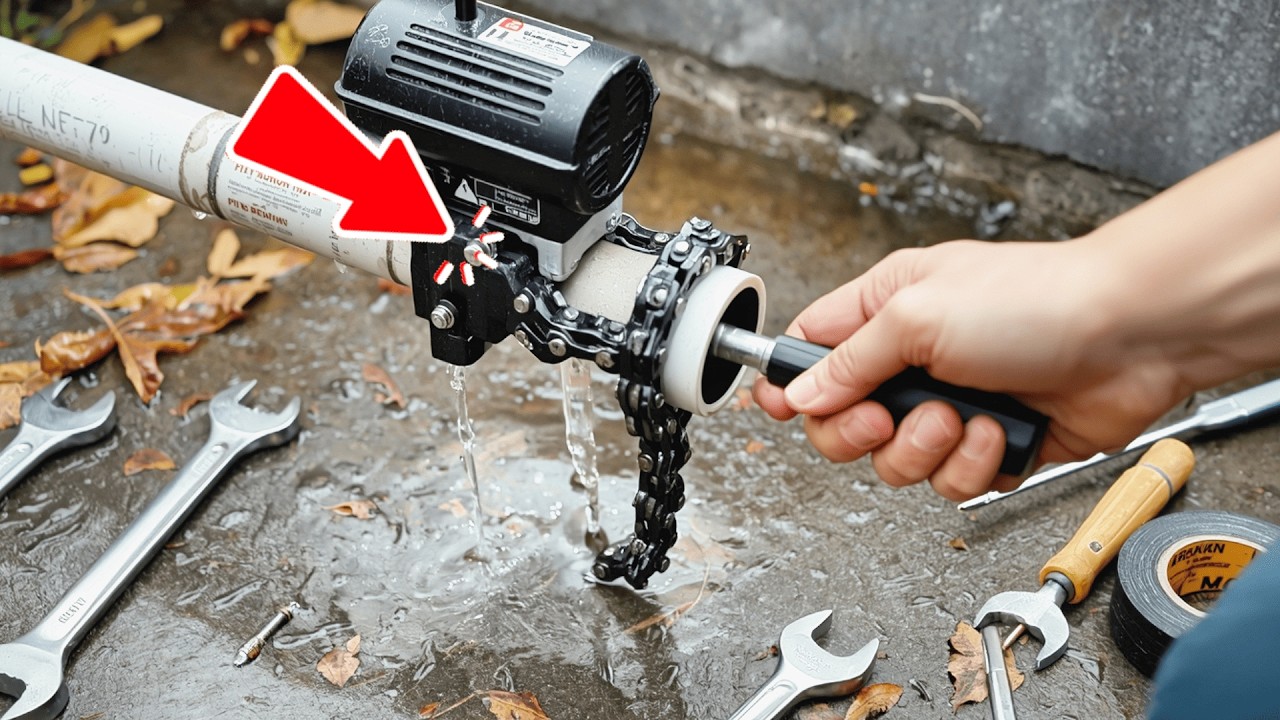
Create Your Own Pipe Wrench: 7 Easy Steps for a DIY Plumbing Tool!
Create Your Own Pipe Wrench: A Practical Guide for DIY Plumbing
Introduction
Picture this: you’re in the middle of a plumbing project and realize you don’t have the right tool for the job. A simple issue can easily turn into a frustrating obstacle. Instead of rushing out to buy expensive tools, have you considered making your own? Crafting a pipe wrench could be a practical solution that saves you time and money. In this guide, you’ll learn how to create your own DIY pipe wrench with just a few materials and easy steps. Keep reading to discover how you can enhance your home project experience.
Required Materials
Before diving into the creation of your pipe wrench, gather the essential materials. Here’s what you will need:
- 1-inch steel pipe (length depending on your preference)
- Pipe cap (1-inch)
- Flat steel bar (at least 1 inch wide and 1/4 inch thick)
- Welding machine or soldering iron
- Safety equipment (gloves, goggles, and mask)
Make sure all material is readily available. Check local hardware stores or reclaim some scrap materials for a sustainable touch.
Step-by-Step Instructions
Creating your own pipe wrench is simpler than you might think. Follow these seven steps:
- Cut the steel pipe to your desired length, usually around 12 to 18 inches works best.
- Weld the flat steel bar to the front of the pipe at a right angle. Ensure it’s securely attached to create a sturdy grip.
- Attach the pipe cap to the other end of the pipe. This acts as a handle for easier maneuverability.
- Drill two holes in the flat steel bar for adjustable grips. These will help you secure the wrench onto different sizes of pipes.
- Insert bolts into the holes and tighten them until the wrench holds securely on the pipe you’re working with.
- Test your wrench on a spare pipe before using it on any real plumbing jobs. Make adjustments as necessary.
- Polish the entire wrench with steel wool or a wire brush to remove any sharp edges or excess debris.
By following these steps, you’ll have a fully functional pipe wrench ready for your plumbing needs.
Tips for a Successful Build
- Ensure your work area is well-ventilated when working with metals.
- Use strong welding techniques to secure joints and prevent any failures during use.
- Don’t rush; take your time to line up everything properly for the best results.
Common Mistakes to Avoid
As with any DIY project, there are common pitfalls to be aware of. Here are a few mistakes to avoid when making your pipe wrench:
- Not wearing safety gear: Always protect yourself from metal shavings and sparks.
- Using weak materials: Ensure your pipe and flat bar are made from appropriate sturdy metals to ensure longevity.
- Improperly measuring: Double-check your measurements to avoid creating a tool that’s ineffective or unsafe.
FAQ
What type of steel is best for a DIY pipe wrench?
High-carbon steel is often preferred as it offers strength and durability. It’s essential for tools that will bear weight.
Can I customize the size of my pipe wrench?
Yes, you can adjust the length of the pipe and the widths of the flat bar according to your needs.
How do I maintain my homemade pipe wrench?
Regularly check for wear and tear, clean it after use, and store it in a dry place to prevent rust.
Conclusion
Making your own pipe wrench not only equips you with a useful tool but also enhances your DIY skills. With proper materials and steps outlined, you can craft a sturdy wrench tailored to your needs. What projects do you plan to tackle next with your new tool?