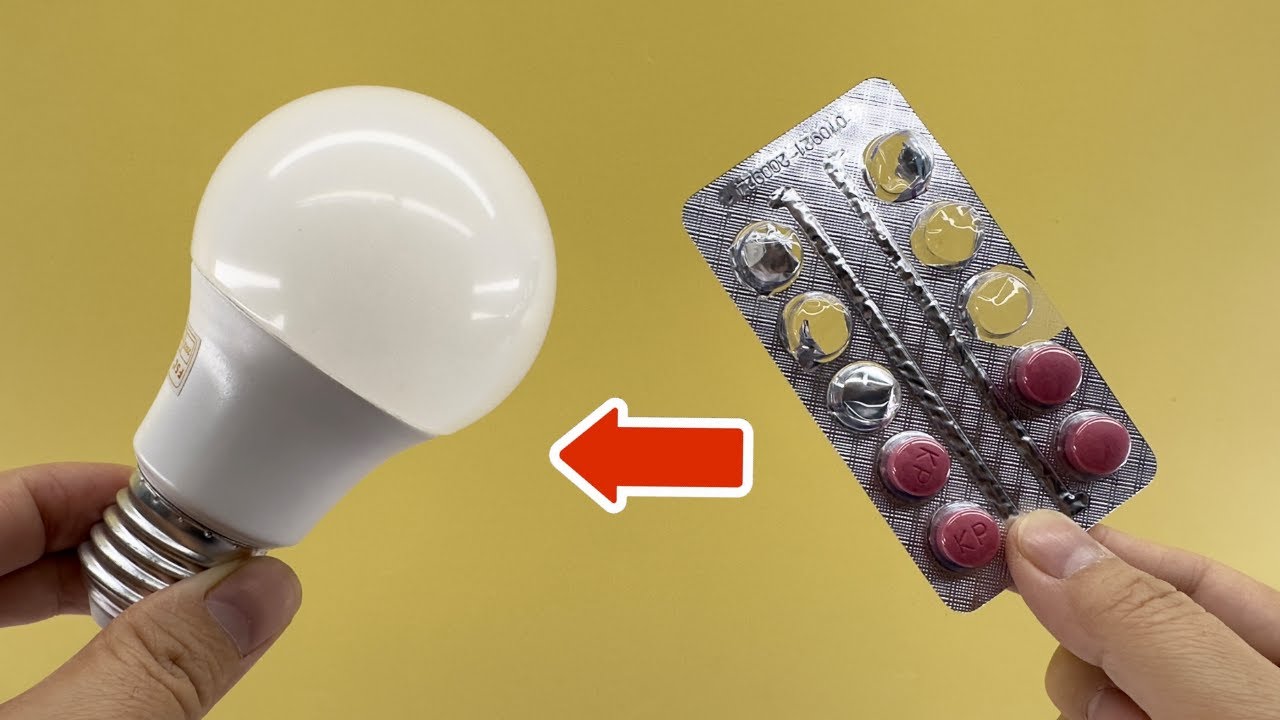
5 Easy Ways to Fix LED Bulbs Without Throwing Them Away!
5 Easy Ways to Fix LED Bulbs Without Throwing Them Away
Have you ever found yourself in a situation where your LED bulb suddenly dims, flickers, or just won’t turn on? It can be frustrating, especially when you consider tossing a perfectly good bulb into the trash. Many LED bulbs can be easily fixed, saving you money and reducing waste. By understanding common issues and simple repair techniques, you can extend the life of your LED bulbs. Keep reading to discover effective ways to troubleshoot and revive your favorite LED lights.
Common Issues with LED Bulbs
Before diving into repairs, it’s essential to understand the common issues LED bulbs may encounter. Ignoring these signs can lead to unnecessary replacements.
1. Flickering Light
A flickering light is often a sign of loose connections or issues with the dimmer switch. Make sure the bulb is secured in the socket, and check if the dimmer is compatible with your LED bulb.
2. Complete Failure
If your LED bulb isn’t lighting up at all, it could be a burnt-out component inside the bulb. In some cases, the driver—the part that regulates the current—may fail.
3. Dimming Over Time
If you notice your LED bulb gradually dimming, it may indicate an impending failure. This can also occur if the bulb is placed in a fixture that traps too much heat, causing it to lose efficiency.
Diagnosing Problems
Determining the issue is crucial before attempting any repairs. Here are some steps to help you diagnose problems with your LED bulbs.
- Turn off the light fixture and unscrew the bulb.
- Inspect the bulb for any visible damage, such as darkened areas or a broken glass cover.
- Check the socket for any corrosion or debris that may hinder connectivity.
- Test the bulb in another fixture to confirm if it’s the bulb or the fixture that’s causing issues.
By identifying the root cause, you’ll be better equipped to tackle the repair or decide if a replacement is necessary.
Simple Repairs for LED Bulbs
If your diagnosis reveals minor issues, several straightforward repairs can extend the life of your LED bulbs. Here are some options to consider:
1. Replacing the Driver
When the driver is the culprit, you can purchase a replacement driver. Look for universal drivers compatible with your bulb’s specifications. Here’s how:
- Open the bulb by gently twisting off the top part.
- Remove the old driver and replace it with the new one.
- Reassemble the bulb and check if it lights up.
2. Fixing Loose Connections
If you find that the connections are loose, consider the following:
- Tighten the base of the bulb by ensuring it is securely fitted in the socket.
- For wires, use a small screwdriver to gently press them back into place if they’ve come loose.
3. Clearing Corrosion
Corrosion can disrupt connectivity. Try this method:
- Turn off the power and unscrew the bulb.
- Use a cotton swab dipped in vinegar or baking soda to clean any corroded connections.
- Once dry, reinsert the bulb and see if it works.
Mistakes to Avoid
While attempting repairs, being aware of common mistakes can ensure successful outcomes. Here are a few to watch out for:
- Rushing through the diagnosis may lead you to overlook smaller issues.
- Using excessive force when tightening may break the bulb.
- Neglecting to turn off the power can be dangerous.
FAQ
Can I fix any LED bulb?
Not all LED bulbs can be repaired, especially if the internal components are severely damaged. However, many common issues can be addressed with simple repairs.
How long do LED bulbs typically last?
LED bulbs generally have a lifespan of 15,000 to 25,000 hours, depending on usage and the quality of the bulb.
What should I do if my bulb still doesn’t work?
If your bulb remains unresponsive after troubleshooting and repairs, it may be time to consider a replacement.
In conclusion, caring for your LED bulbs can save money and reduce waste. By understanding common issues and applying simple repair techniques, you can keep your lighting solutions efficient and effective. Have you tried fixing your LED bulbs in the past? Share your experiences or tips in the comments below!