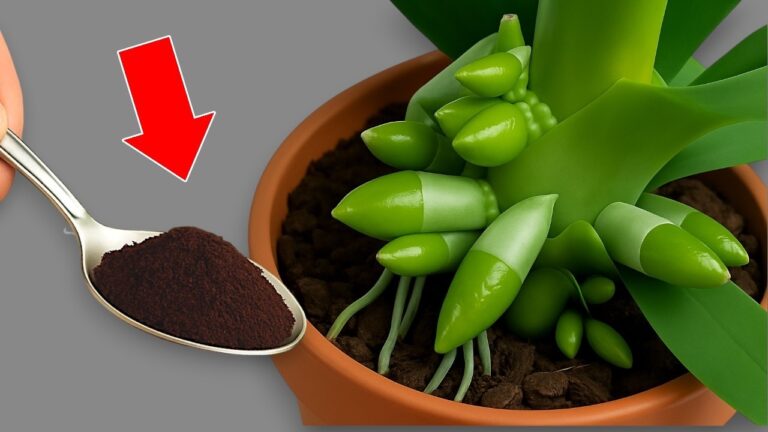
1 Teaspoon for Year-Round Orchid Blooms: Unlock the Secret to Thriving Plants!
1 Teaspoon for Year-Round Orchid Blooms: Unlock the Secret to Thriving Plants
- Introduction
- Importance of Orchid Care
- Essential Nutrients for Orchids
- Homemade Orchid Fertilizer Recipe
- Common Mistakes
- FAQ
Introduction
Orchids can be a beautiful and delicate addition to your home, but keeping them thriving year-round can often feel daunting. You might be wondering why your once-flourishing orchids are struggling to produce blooms or even maintain their leaves. Fear not—there are simple, natural solutions to nourish your plants and encourage them to flourish. Let’s explore how a simple teaspoon can lead to vibrant orchid blooms all year long.
Importance of Orchid Care
Understanding the needs of your orchids is crucial for successful growth. A few key factors affect their ability to thrive:
- Watering: Orchids require specific watering routines to prevent root rot.
- Temperature: Maintaining the right temperature range can significantly impact blooming.
- Light exposure: Proper light conditions are essential; too much or too little can hinder growth.
Through attentive care, you can cultivate healthy orchids that bloom beautifully throughout the year. Ensuring they receive adequate nutrients is a critical part of this process.
Essential Nutrients for Orchids
A balanced nutrient supply is essential for promoting robust orchids. Here’s what you need to know:
Key Nutrients
Orchids primarily benefit from three essential nutrients:
- Nitrogen: Promotes leafy growth and strong stems.
- Phosphorus: Supports root development and flowering.
- Potassium: Enhances overall plant health and disease resistance.
Remember, orchids require lower concentration nutrients compared to other houseplants, so adjustments should be made to your feeding routine to avoid nutrient burn.
Homemade Orchid Fertilizer Recipe
Creating your own fertilizer can be both satisfying and cost-effective. Here’s how to make an effective homemade orchid fertilizer using common kitchen items.
Ingredients You’ll Need
- 1 teaspoon of Epsom salt
- 1 teaspoon of baking powder
- 1 gallon of water
Step-by-Step Preparation
- Mix: Combine the Epsom salt and baking powder in warm water until fully dissolved.
- Cool: Allow the mixture to cool to room temperature before using.
- Water: Use this mixture to water your orchids every two weeks for optimal results.
Storage Tips
If you have leftover fertilizer, store it in a sealed container in a cool, dark place. Make sure to label it and use it within a month for best results.
Common Mistakes
Even seasoned orchid enthusiasts can make mistakes that hinder plant health. Here are some common pitfalls to avoid:
- Overwatering: Too much water can lead to root rot; always err on the side of caution.
- Ignoring light conditions: Orchids need bright, indirect light. Monitor their placement carefully.
- Neglecting temperature: Ensure you provide a stable temperature that mimics their natural environment.
FAQ
How often should I fertilize my orchids? It’s best to fertilize orchids every two weeks during the growing season and once a month during the winter.
What should I do if my orchid isn’t blooming? Check if it’s receiving adequate light, water, and nutrients. Adjusting these factors can stimulate blooming.
Can I use regular plant fertilizer for orchids? While it’s possible, it’s recommended to use fertilizers specifically formulated for orchids to avoid over-concentration of nutrients.
Conclusion
With just a simple teaspoon of homemade fertilizer, you can nourish your orchids and encourage them to bloom year-round. Pay attention to their care, and they will reward you with stunning flowers. What tips or experiences do you have for keeping orchids healthy in your home? Share in the comments below!