1001 Roots: Unveil the Secrets Behind Stunning Orchid Blooms! 🌸
Unveiling the Secrets Behind Stunning Orchid Blooms
- Introduction
- Essential Tips for Orchid Care
- Common Mistakes to Avoid
- Natural Remedies for Healthier Orchids
- FAQ
- Conclusion
Introduction
Picture this: you walk into your living room and are immediately captivated by the vibrant colors of your blooming orchids. Yet, achieving such stunning displays can feel like a challenge. Perhaps your orchids are struggling, but you’re unsure what they need. Understanding the key factors that contribute to healthy blooms can be overwhelming at times. Dive in to uncover practical tips that will enhance your orchid care experience.
Essential Tips for Orchid Care
Caring for orchids requires attention to their unique needs, which can make all the difference in achieving beautiful blooms. Here are some fundamental tips to ensure your orchids thrive:
1. Understanding Light Requirements
- Assess the light conditions in your home. Orchids prefer bright, indirect sunlight.
- Position your orchids near a window, but avoid direct sunlight, which can scorch the leaves.
- Rotate your orchids weekly to ensure even light exposure.
2. Watering Techniques
- Water your orchids thoroughly, allowing the water to drain completely. Standing water can lead to root rot.
- Check the moisture level of the potting medium weekly. Water only when it feels dry.
- Use room temperature water for optimal absorption.
3. Temperature and Humidity Considerations
Orchids flourish in warm, humid environments. Here’s what you can do:
- Maintain daytime temperatures between 70°F and 80°F and nighttime temperatures around 60°F to 70°F.
- Increase humidity by placing a humidity tray with water near your orchids.
- Group orchids together to create a microenvironment that retains moisture.
Common Mistakes to Avoid
Even seasoned orchid enthusiasts can fall prey to common missteps. Here are some pitfalls to watch out for:
1. Overwatering
Many orchid owners mistakenly think more water means better growth. However, overwatering can suffocate roots and contribute to mold growth.
2. Using Incorrect Potting Medium
Orchids require well-draining potting mixes, often made from bark, sphagnum moss, or coconut husk. Using regular soil can lead to poor drainage and root problems.
3. Neglecting Fertilization
Under-fertilizing or not fertilizing at all can prevent your orchids from reaching their blooming potential. Use a balanced fertilizer specifically formulated for orchids.
Natural Remedies for Healthier Orchids
Enhance your orchid care routine with these natural remedies that promote blooming and overall health:
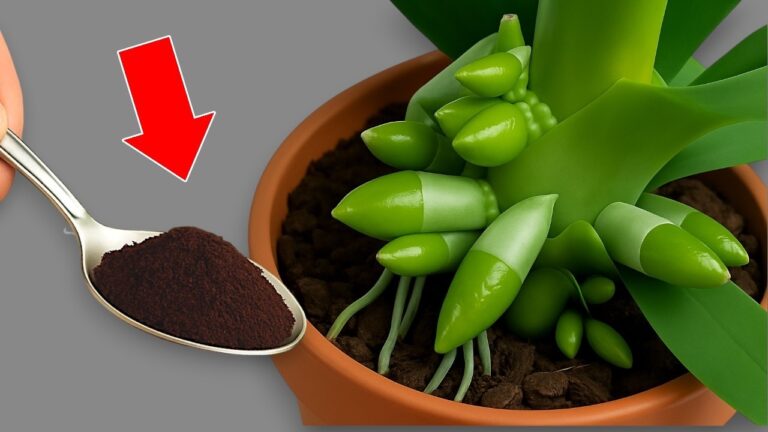
1. Coffee Grounds
Used coffee grounds can provide a nutrient-rich boost. Simply sprinkle them on the potting medium to improve soil quality.
2. Epsom Salt
Epsom salt is effective for promoting flower production. Mix a teaspoon in a gallon of water and use this as a watering solution every few months.
3. Neem Oil
This natural insecticide helps combat pests without harming the plant. Mix it with water as per the instructions and spray it lightly onto leaves.
FAQ
What is the best way to repot orchids? Repot orchids every one to two years using fresh potting medium. Carefully remove old roots and pot them in a suitable mix.
How often should I fertilize my orchids? Fertilize orchids every 2-4 weeks during the growing season using a balanced orchid fertilizer.
Why are my orchids not blooming? Factors like insufficient light, inadequate nutrients, and incorrect watering practices can prevent blooming.
Conclusion
By focusing on the essential care tips and avoiding common mistakes, you can enjoy stunning orchid blooms that enhance your space. What challenges have you faced in caring for your orchids? Share your experiences in the comments below!