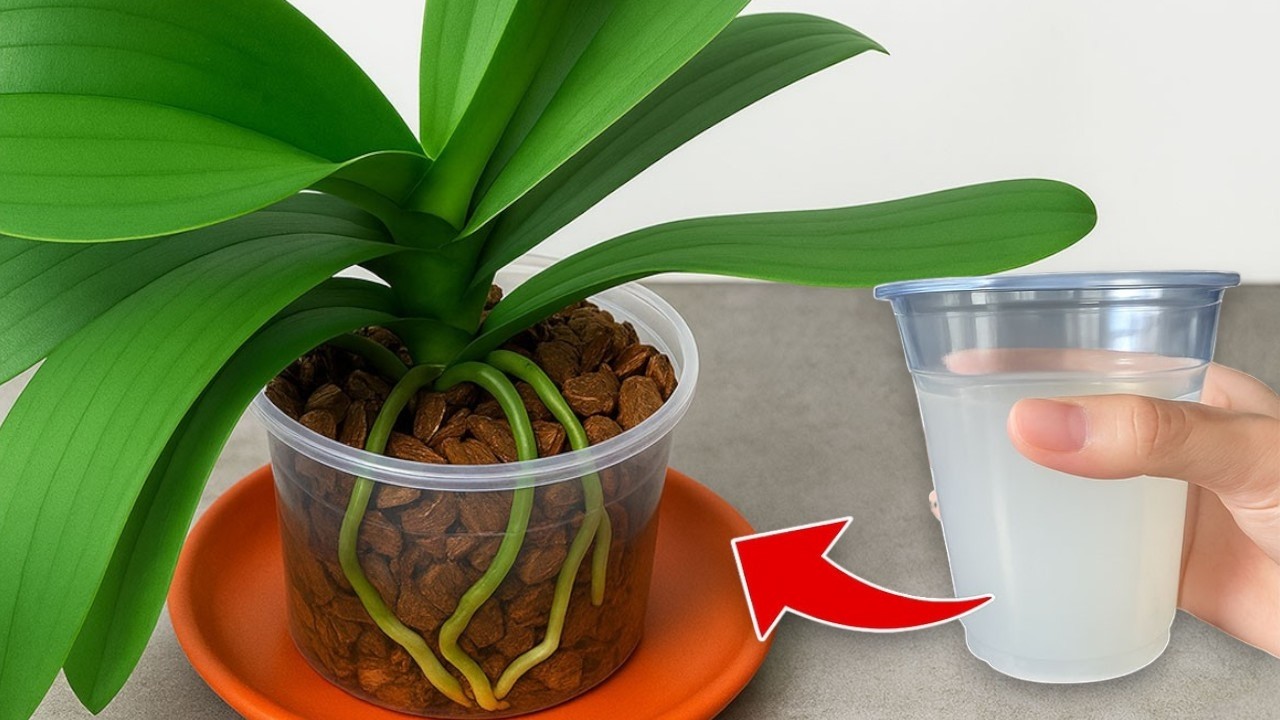
7 Secrets to Make Your Orchid Bloom Profusely and Last Longer! 🌸
7 Secrets to Make Your Orchid Bloom Profusely and Last Longer
- Introduction
- Optimal Conditions for Orchids
- Proper Watering Techniques
- Fertilizing Your Orchids
- Repotting Tips for Healthy Growth
- Common Mistakes to Avoid
- FAQ
Introduction
Orchids are known for their stunning blooms, often becoming the centerpiece of home and garden displays. Yet, many orchid owners find it challenging to encourage their plants to produce abundant flowers. Plant care can feel overwhelming, especially with the wealth of information available. Understanding your orchid’s needs is crucial to unlocking its flowering potential. If you’re eager to discover how to make your orchid bloom profusely and last longer, continue reading for insightful tips and secrets.
Optimal Conditions for Orchids
Creating the right environment is essential for healthy orchid growth and prolific blooming.
Temperature and Humidity
- Maintain a temperature range between 65-75°F (18-24°C) during the day and slightly cooler temperatures at night.
- Ensure humidity levels of 40-60% to replicate their natural habitat.
- You might consider using a humidity tray or a small humidifier for consistent moisture in the air.
Light Requirements
Orchids flourish in bright, indirect light. Too much direct sunlight can scorch their leaves, while inadequate light can hinder blooming.
- Position your orchid near a window with filtered light or utilize sheer curtains to soften the sun’s rays.
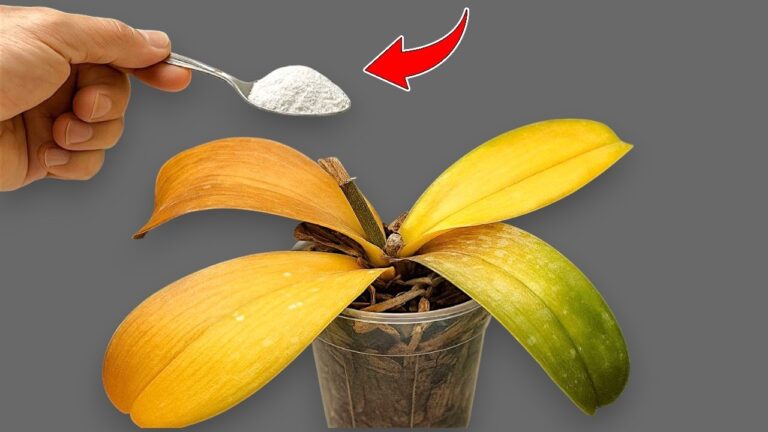
- Observe your orchid for signs; dark green leaves indicate insufficient light, while yellowing leaves signal too much.
Proper Watering Techniques
Watering is often where orchid owners struggle most, and overwatering can be a common issue.
Watering Schedule
- Check the potting medium; water only when the top inch feels dry to the touch.
- Water thoroughly until water drains from the bottom, ensuring the roots are not sitting in excess moisture.
- Avoid letting water accumulate in the crown of the plant, which can lead to rot.
Water Quality
Using the right water can enhance the growth and blooms of your orchids.
- Opt for distilled or rainwater, as tap water can contain chlorine and salts that harm orchids.
- Allow water to come to room temperature before applying it, which is more comfortable for the plant.
Fertilizing Your Orchids
Regular feeding plays a critical role in encouraging blooms and healthy growth.
Choosing the Right Fertilizer
- Select a balanced fertilizer with an N-P-K ratio of 30-10-10 for orchids.
- Consider using a fertilizer specifically formulated for orchids to ensure optimal nutrient ratios.
Fertilizing Schedule
- Feed your orchids every two weeks during the growing season (spring and summer).
- Reduce feeding to once a month in the fall and winter when orchids typically rest.
Repotting Tips for Healthy Growth
Repotting is an important aspect of orchid care that can enhance blooming potential.
Signs It’s Time to Repot
- Look for roots growing out of the pot or visible algae growth on the potting medium.
- Yellowing leaves or stunted growth can also indicate that it’s time for repotting.
Choosing a Potting Medium
Choosing the right medium is essential for proper drainage and air circulation.
- Use a potting mix specifically designed for orchids, such as bark or sphagnum moss.
- Avoid using standard potting soil, which retains too much moisture for orchids.
Common Mistakes to Avoid
Avoiding these common pitfalls can promote healthier orchids and encourage prolific blooming.
- Overwatering: This is the most common mistake; always check the moisture level first.
- Insufficient light: Ensure that your orchids receive adequate light without direct exposure.
- Neglecting humidity: Low humidity can lead to poor growth; maintain consistent levels for best results.
FAQ
How often should I water my orchid?
Orchids should generally be watered once a week or when the top inch of the potting medium feels dry. Monitor the plant closely to adjust for environmental conditions.
What type of fertilizer is best for orchids?
A balanced fertilizer specifically formulated for orchids with an N-P-K ratio of 30-10-10 is ideal for feeding your plants.
When should I repot my orchid?
Repotting is typically necessary every 1-2 years or when you notice roots growing out of the pot or if the potting medium deteriorates.
Conclusion
By providing optimal conditions, proper watering, and the right fertilization schedule, you can encourage your orchids to bloom profusely and last longer. What tips or experiences do you have with orchids? Share in the comments!