5 Secrets to Growing Orchids Upside Down for Year-Round Blooms
5 Secrets to Growing Orchids Upside Down for Year-Round Blooms
- Introduction
- Secret 1: Choosing the Right Orchid Variety
- Secret 2: Understanding Your Orchid’s Needs
- Secret 3: Providing Proper Support
- Common Mistakes to Avoid
- FAQ
- Conclusion
Introduction
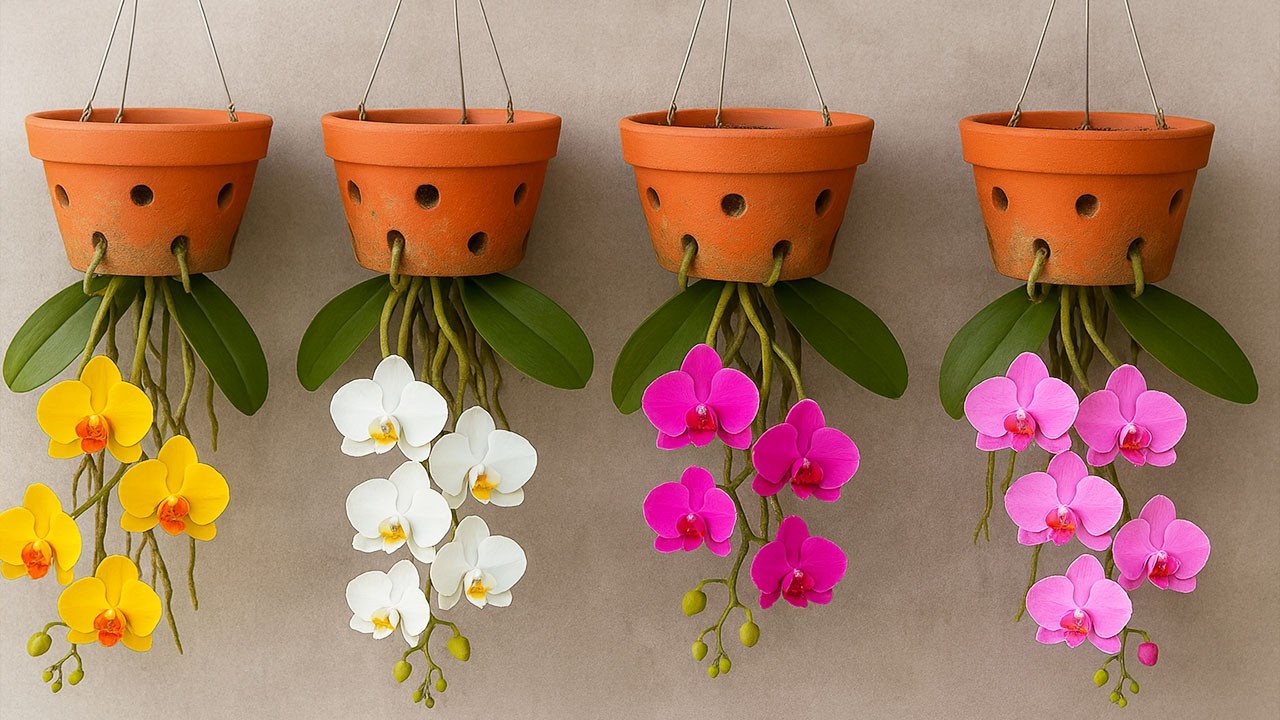
You may have experienced the frustration of trying to keep your orchids blooming beautifully, only to find them wilting or stalling. The traditional way of cultivating orchids can be challenging, especially when you want them to thrive year-round. What if flipping your approach upside down could actually help? This article explores the unique technique of growing orchids upside down, revealing insights that might just transform your gardening experience.
Secret 1: Choosing the Right Orchid Variety
Not all orchids are suited for upside-down growing. Here are some suggestions to help you select the right varieties:
- Consider Phalaenopsis: This type is resilient and adapts well to different growing conditions.
- Cattleya Orchids: Known for their beautiful blooms, they thrive in various environments.
- Oncidiums: These orchids are hardy and often produce vibrant flowers.
Ensure that the varieties you choose are known for their resilience and adaptability. Researching specific types will provide better insights into their care requirements.
Secret 2: Understanding Your Orchid’s Needs
For successful upside-down growing, it’s crucial to understand the essential requirements of your orchids:
Light Requirements
- Orchids generally prefer bright, indirect sunlight. Be cautious of direct sunlight, which can scorch their leaves.
Watering Techniques
Watering can be tricky when growing orchids upside down:
- Use the soak method: Submerge the pot in water for about 10-15 minutes.
- Drain thoroughly: Allow excess water to escape to prevent root rot.
Humidity Levels
Orchids thrive in environments with higher humidity. Here are some practical tips:
- Consider using a humidity tray filled with water and pebbles.
- Regularly mist your orchids to maintain adequate humidity levels.
Secret 3: Providing Proper Support
Growing orchids upside down requires sturdy support to maintain their position:
Materials Needed
- Use a strong, moisture-retentive potting mix suited for orchids.
- Incorporate a wire frame or mesh to help secure your orchids during growth.
Positioning in the Container
When planting your orchids:
- Secure the roots: Ensure that the roots are adequately anchored in the potting mix.
- Balance your plant: Arrange the plant so it maintains stability even when inverted.
Reinforcing Stability
You may need extra support as your orchids grow. Consider using:
- Tie-down clips or soft ties to gently secure the growth.
- Regularly check the stability and adjust as needed.
Common Mistakes to Avoid
Even seasoned gardeners can overlook certain aspects of upside-down orchid cultivation. Here are some pitfalls to be aware of:
- Avoid overwatering, as this can lead to root rot, especially in an inverted position.
- Don’t neglect proper light conditions, considering that improper lighting can hinder growth.
- Be cautious of inadequate support, which can lead to tipping and damage to your plants.
FAQ
Can all orchids be grown upside down?
No, not all orchid varieties are suitable for upside-down growing. Phalaenopsis and Cattleya orchids typically adapt better to this technique.
How often should I water my upside-down orchids?
Watering frequency depends on the humidity and light conditions, but generally, every 1-2 weeks should suffice, ensuring the pot drains well.
What is the best way to provide humidity for my orchids?
Using a humidity tray and through regular misting are among the best techniques to maintain humidity levels for your orchids.
Conclusion
By selecting the right orchids and understanding their specific needs, you can enjoy stunning blooms even in unconventional ways. Have you considered growing orchids upside down? Share your thoughts and experiences in the comments below!