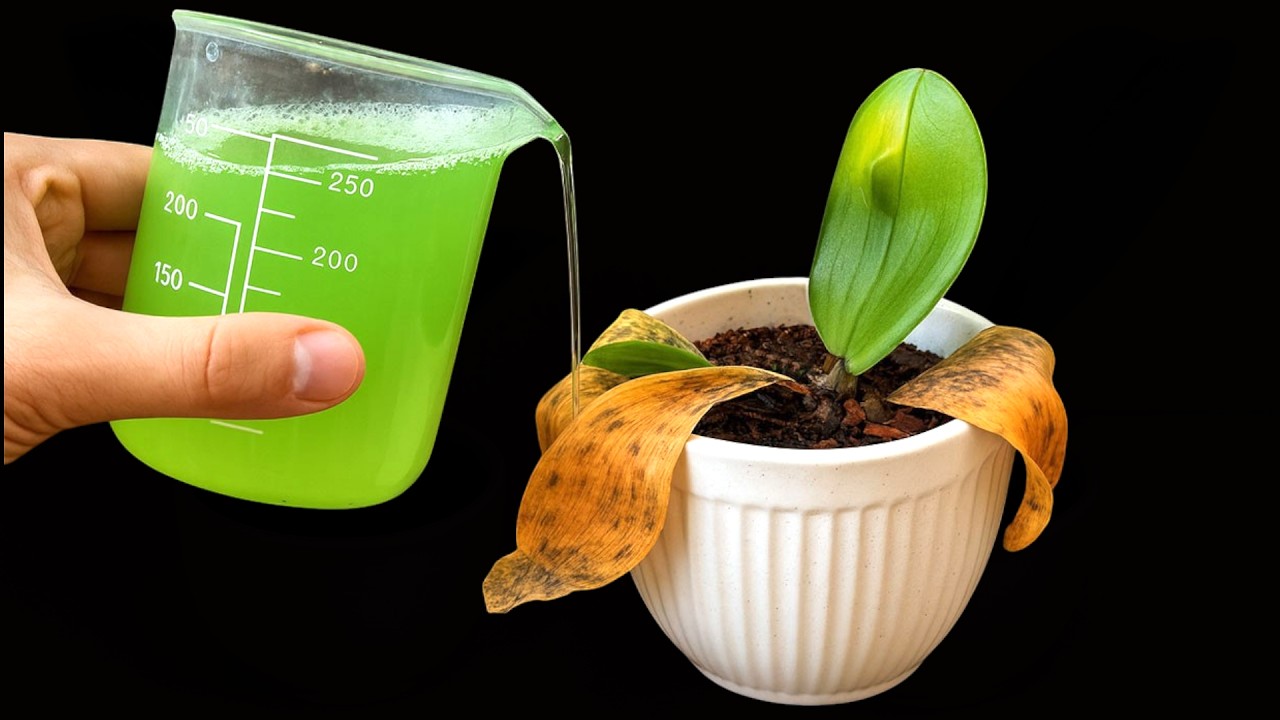
Revive 7 Dying Orchids with This Simple Trick—You Won’t Believe How Easy It Is!
Revive Your Dying Orchids with This Simple Trick
- Understanding Orchids
- Common Causes of Orchid Decline
- Revival Technique for Orchids
- Ongoing Care Tips for Orchids
- Mistakes to Avoid When Caring for Orchids
- FAQ
Picture this: You’ve lovingly nurtured your beautiful orchids, but they now appear droopy and lackluster, leaving you wondering where you went wrong. Their vibrant colors are fading, and the leaves are wilting, making you concerned for their health. You may be feeling frustrated or even defeated, but before you consider giving up, there’s a simple trick that can help revive these stunning plants. Read on to discover how to bring your orchids back to life.
Understanding Orchids
To effectively revive your dying orchids, it’s essential to understand their unique needs. Orchids are not only beautiful but also quite particular about their care. Here’s what you should know:
1. Types of Orchids
- Phalaenopsis (Moth Orchid) – These are the most common household orchids known for their long-lasting flowers.
- Cattleya – Recognized for their robust blooms and fragrance, they require more light.
- Dendrobium – These orchids flourish in varying environments and often have a shorter bloom life.
2. Growth Habits
Orchids grow differently than other houseplants. They thrive in well-draining media and require specific light conditions. Understanding their growth habits will help you provide the right environment for your orchids.
Common Causes of Orchid Decline
Identifying the root problem is crucial in reviving your dying orchids. Here are some typical causes that lead to their decline:
- Poor Watering Practices – Overwatering or underwatering can lead to root rot or dehydration.
- Inadequate Light – Orchids need bright, indirect sunlight to thrive. Too little light can stunt their growth.
- Pests and Diseases – Infestations and fungal infections can affect your orchids’ health significantly.
Revival Technique for Orchids
Now that you know the potential causes, let’s focus on how to revive your orchids.
1. Assess the Roots
Begin by assessing the root status:
- Gently remove the orchid from its pot.
- Inspect the roots for signs of rot (brown, mushy roots) or dehydration (shrivelled, dry roots).
- Cut away any damaged roots using sterilized scissors.
2. Repot the Orchid
Once you’ve addressed the roots, it’s time to repot:
- Select a fresh orchid potting mix designed for orchids.
- Place the healthy roots in the new media, ensuring you don’t bury the base of the plant.
- Water lightly to settle the new mix around the roots.
3. Adjust Lighting Conditions
Next, provide the right lighting:
- Position your orchid in a location with bright, indirect sunlight, like near an east-facing window.
- Avoid harsh, direct sunlight that could scorch the leaves.
Ongoing Care Tips for Orchids
Once your orchids are on the mend, maintaining their health is vital.
1. Watering Routine
- Water once a week, allowing the potting media to dry out between waterings.
- Use room-temperature water to avoid shocking the plant.
2. Fertilization
Feed your orchids with a balanced orchid fertilizer every 2-4 weeks during the growing season to promote healthy blooms.
3. Humidity and Temperature
- Orchids thrive in environments with higher humidity levels. Consider using a humidity tray or a humidifier.
- Maintain a temperature range of 65°F to 75°F during the day for optimal growth.
Mistakes to Avoid When Caring for Orchids
To ensure successful orchid revival and maintenance, be mindful of these common mistakes:
- Poor Water Management – Be careful not to let your orchids sit in water.
- Ignoring Signs of Trouble – Pay attention to changes in leaf color and texture.
- Over-Fertilizing – Too much fertilizer can damage roots and hinder growth.
FAQ
How often should I water my orchids?
Water your orchids once a week, allowing the potting media to dry out in between to avoid root rot.
What should I do if my orchid doesn’t flower?
If your orchid isn’t blooming, it could be due to insufficient light, improper watering, or outdated potting media.
Can I save an orchid that has lost all its leaves?
It’s challenging, but if the roots are healthy, with proper care, there’s a chance to revive it.
Reviving your dying orchids takes patience and careful attention, but it’s certainly achievable. By following these steps, you can help bring back their beauty and ensure a thriving plant. What challenges have you faced with your orchids? Share your experiences in the comments below.