6 Signs You’re Having a Panic Attack You Must Know About!
Recognizing Panic Attacks: 6 Essential Signs You Need to Know
- Understanding Panic Attacks
- Common Signs of a Panic Attack
- What to Do During a Panic Attack
- Mistakes to Avoid During a Panic Attack
- Frequently Asked Questions
Understanding Panic Attacks
You’re in a crowded space, and suddenly your heart starts racing, your palms get sweaty, and you feel a sense of impending doom. These sensations can be alarming and disorienting, leaving you unsure of what’s happening. Panic attacks can hit unexpectedly, often without warning, and might leave you questioning your mental state. Understanding the signs of a panic attack is crucial for managing and addressing your feelings effectively.
Common Signs of a Panic Attack
Identifying the signs of a panic attack can empower you to handle situations better. Here are six common indicators to watch out for:
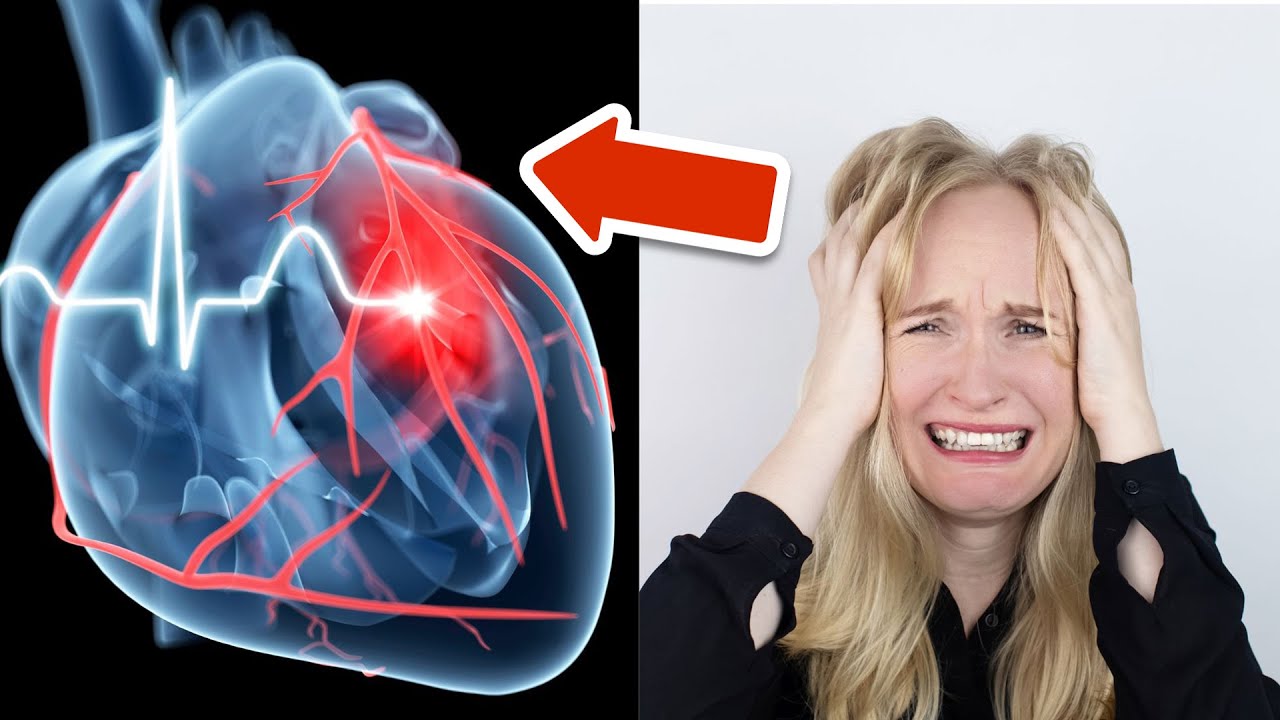
- Rapid heartbeat: You may feel your heart racing or pounding, which can intensify feelings of anxiety.
- Shortness of breath: A feeling of being unable to breathe properly can occur, often leading to further distress.
- Dizziness or lightheadedness: You might feel faint, as though the world around you is spinning.
- Choking sensation: Some people experience a tightness in their throat, making it hard to swallow or breathe comfortably.
- Nausea: Intense feelings of nausea can accompany panic attacks, sometimes mimicking the symptoms of gastrointestinal issues.
- Fear of losing control: A profound fear that you’re losing control of your mind or body is a strong feeling during a panic attack.
Recognizing Patterns
Panic attacks often vary in intensity, and recognizing patterns in your symptoms can help in understanding your triggers. Keep a journal to track when panic attacks occur, the signs you experience, and the circumstances surrounding them. This information can be valuable in managing your anxiety levels.
Impact on Daily Life
Panic attacks can affect your daily life, work, and relationships. Understanding these signs and acknowledging their occurrences is the first step towards seeking help and regaining control.
What to Do During a Panic Attack
When faced with a panic attack, knowing how to respond can significantly influence your experience. Here are effective strategies to help you feel more grounded:
- Focus on your breathing: Take deep, slow breaths to help calm your nervous system. Inhale through your nose for a count of four, hold for four, and exhale through your mouth for a count of six.
- Ground yourself: Use your senses to anchor yourself. Identify three things you can see, two things you can touch, and one thing you can smell.
- Use positive affirmations: Reassure yourself that you are safe and that the symptoms will pass. Repeat calming phrases to help ease your mind.
Seek Support
If you’re in a situation where you can communicate, don’t hesitate to reach out to someone nearby. Sharing what you’re experiencing can provide relief and connection.
When to Seek Professional Help
If panic attacks become frequent or severely impact your life, it may be time to seek professional support. Therapists can provide you with tools and techniques to manage and reduce the occurrences of these episodes.
Mistakes to Avoid During a Panic Attack
While navigating panic attacks, there are common pitfalls that can worsen your experience. Here are a few mistakes to avoid:
- Ignoring the symptoms: Dismissing what you’re feeling can lead to heightened anxiety and isolation.
- Withdrawing from your surroundings: While it might be tempting to seek solitude, staying engaged can help ground you.
- Over-exerting yourself: Pushing through feelings of panic without taking a moment to breathe or ground yourself can increase panic.
- Relying on negative coping mechanisms: Avoid turning to substances that might ultimately worsen your anxiety.
Understanding Your Limitations
It’s essential to recognize that panic attacks can be overwhelming. Acknowledging your feelings instead of trying to fight them can make a significant difference in your recovery journey.
Building a Support Network
Avoid tackling panic attacks alone. Surrounding yourself with supportive friends or family members can help you feel more at ease during troubling times.
Frequently Asked Questions
What triggers panic attacks? Panic attacks can be triggered by stress, certain phobias, or even medical conditions. Understanding your personal triggers is the key to managing them.
How long do panic attacks last? Panic attacks typically last for about 5 to 20 minutes, but the experience can feel much longer. Recognizing that they are temporary can provide some comfort.
Can panic attacks lead to other issues? Yes, frequent panic attacks can lead to heightened anxiety, avoidance behaviors, or even panic disorder. Seeking help can aid in preventing these outcomes.
Conclusion
Recognizing panic attacks involves understanding their signs and learning effective coping strategies. By being aware of your feelings and avoiding common mistakes, you can navigate challenging moments more effectively. Have you experienced panic attacks, and what strategies have you found helpful?