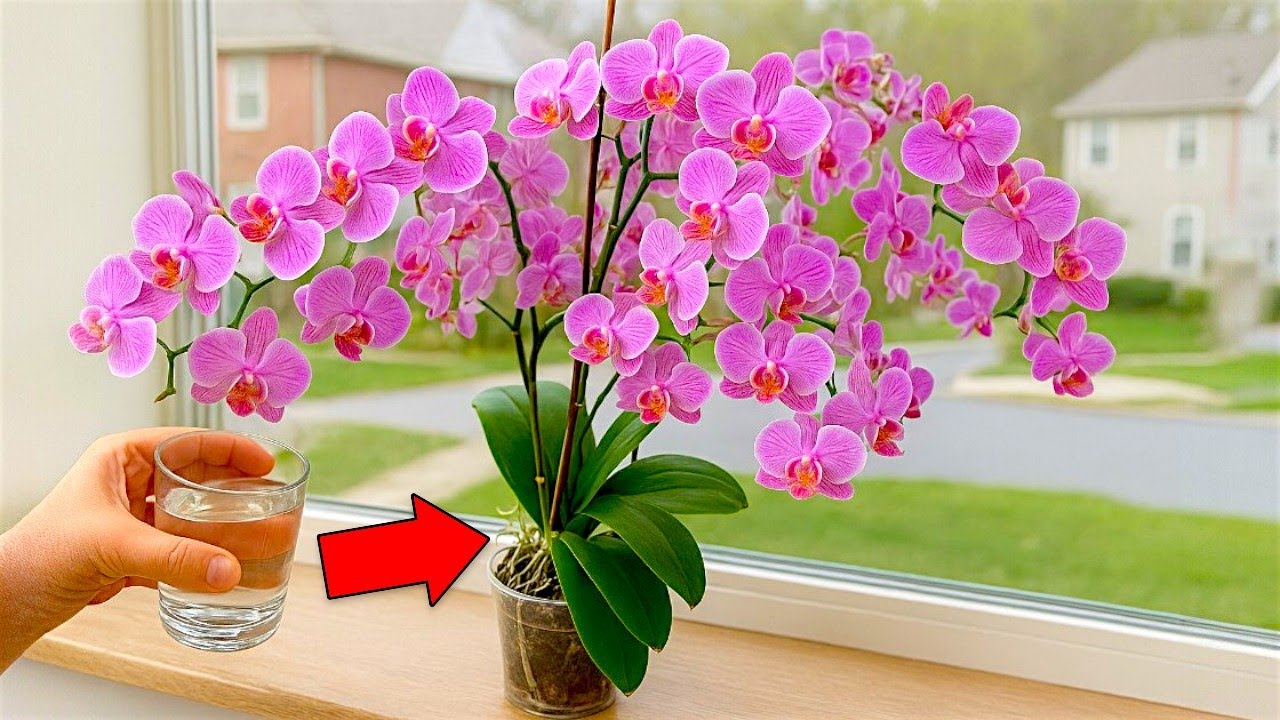
Boost Orchid Growth by 200% with This Simple Trick for Year-Round Blooms!
Maximize Your Orchid Growth with Simple Care Tips for Year-Round Blooms
- Understanding Orchid Needs
- Optimal Lighting Conditions
- Effective Watering Techniques
- Common Mistakes to Avoid
- FAQ
Have you ever admired the stunning blooms of orchids but felt frustrated when your own plants didn’t thrive? Whether they struggle with wilting leaves or lack of flowers, many orchid owners share similar experiences. This can be disheartening, especially if you long for vibrant, year-round blooms in your home. Understanding what your orchids truly need and how to create the right environment can make all the difference.
Understanding Orchid Needs
Orchids are unique plants that require specific conditions for optimal growth. To successfully care for your orchids, you’ll need to prioritize their basic needs: light, water, temperature, and humidity.
1. Light Requirements
Orchids thrive in bright, indirect sunlight. Too much direct sunlight can scorch their leaves, while insufficient light may hinder blooming. Aim for a location where they receive filtered light, such as near a window with sheer curtains.
2. Temperature Preferences
Most orchids prefer temperatures between 65°F and 75°F during the day, with a slight drop at night. Ensure that your environment maintains these temperatures for optimal growth.
3. Humidity Levels
Orchids enjoy humidity levels of around 40% to 60%. If your home is dry, consider using a humidifier or placing a tray of water with pebbles beneath the pots to increase moisture in the air.
Optimal Lighting Conditions
Finding the ideal lighting for your orchids is crucial for maximizing growth. Here are some practical tips to achieve the perfect balance:
1. Assessing Natural Light
- Observe your orchid’s location throughout the day to see how much light it receives.
- Rotate your plant every week to ensure even light exposure on all sides.
2. Using Grow Lights
If natural light is insufficient, consider using grow lights. These lights mimic sunlight and can significantly increase your orchid’s growth potential. Position the lights 12-18 inches above your plants and keep them on for 12-16 hours daily.
Effective Watering Techniques
Proper watering is essential for the health of your orchids. It’s important to avoid overwatering, which can lead to root rot.
1. Signs of Watering Needs
- Check if the potting medium is dry about 1-2 inches down.
- Observe leaf health; if they appear shriveled, it’s often a sign of underwatering.
2. Watering Steps
- Soak your orchids in room-temperature water for about 10-15 minutes.
- Drain the excess water immediately to avoid sitting water in the pot.
3. Frequency of Watering
Generally, watering every 1-2 weeks is sufficient, depending on the humidity levels and temperature in your home. Adjust accordingly based on the season and growth stage of your orchids.
Common Mistakes to Avoid
In the journey of growing orchids, it’s easy to slip into habits that can hinder your plant’s health. Here are a few common mistakes to steer clear of:
1. Overwatering
One of the most frequent issues orchid owners face is overwatering. Always ensure that water drains away and never leave them sitting in water.
2. Choosing the Wrong Potting Medium
Orchids thrive in specialized potting mixtures that provide proper drainage and aeration, such as bark, sphagnum moss, or coconut husk. Regular potting soil can suffocate roots.
3. Ignoring Pest Control
Regularly inspect your orchids for pests like aphids or mealybugs. Early detection and treatment can save your plants from significant damage.
FAQ
How often should I repot my orchids?
Orchids should be repotted every 1-2 years, or when the potting medium breaks down and no longer allows for proper drainage.
Why are my orchid leaves turning yellow?
Yellowing leaves can be a sign of overwatering, insufficient light, or nutrient deficiencies. Assess your care routine to identify the issue.
Can I use regular fertilizer on orchids?
It’s best to use a fertilizer specifically formulated for orchids, as they require a different nutrient balance than other plants.
Conclusion
By understanding how to better cater to your orchids’ needs, you’re well on your way to achieving remarkable growth and beautiful blooms throughout the year. What challenges have you faced while caring for your orchids? Share your experiences in the comments below!