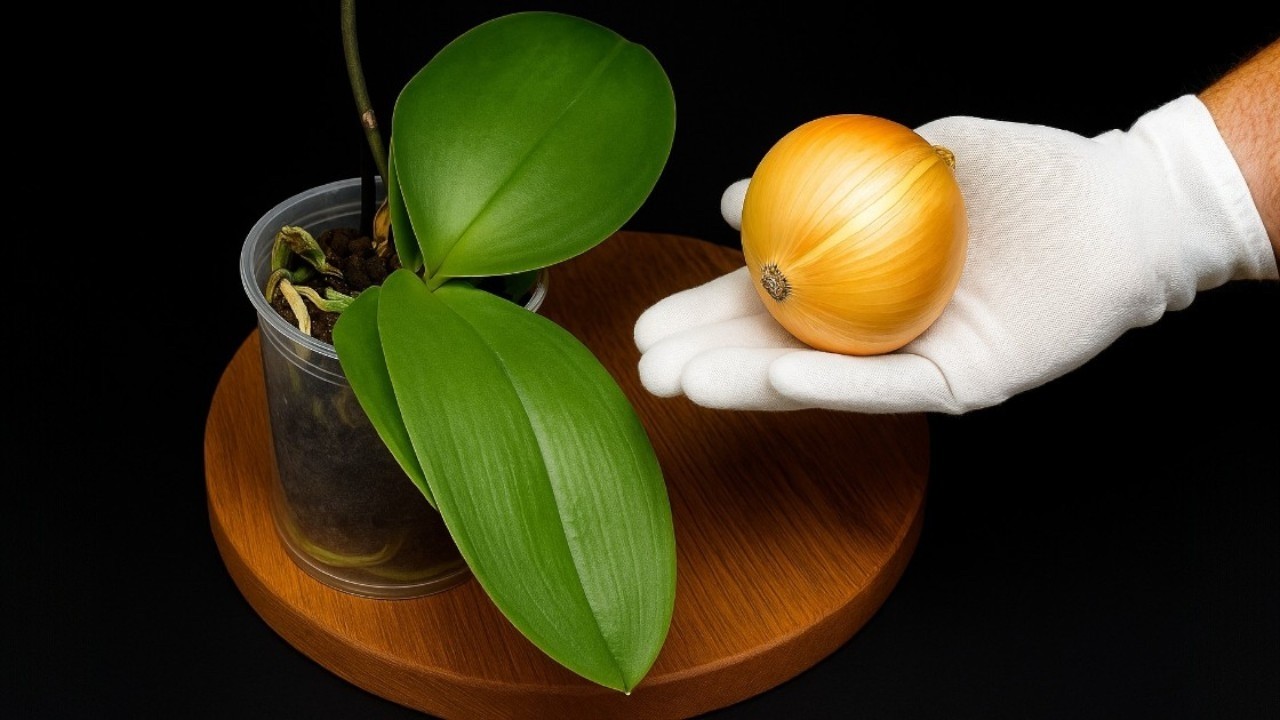
One Orchid Bulb Will Transform Your Garden: 5 Stunning Tips to Get It Blooming
One Orchid Bulb That Will Transform Your Garden: 5 Stunning Tips to Get It Blooming
- Understanding Orchids
- Required Materials
- Planting Your Orchid
- Care and Maintenance
- Common Mistakes
- FAQ
Understanding Orchids
If you’ve ever admired a friend’s vibrant orchid blooms, you may have wondered how such a delicate flower can thrive in a garden. Orchids are known for their unique beauty and can bring a touch of elegance to your outdoor space. However, many gardeners hesitate to incorporate them, fearing they may not provide the right conditions for success. Exploring their characteristics will help you feel more confident in nurturing these exquisite plants. Let’s delve into the world of orchids and discover how to make them flourish in your garden.
Required Materials
Before you dive into planting your orchid bulb, it’s essential to gather everything you’ll need. Having your materials ready will make the process smoother and more enjoyable.
- Orchid bulb – Choose a healthy, vigorous bulb from a reputable store.
- Quality potting mix – Select a mix specifically designed for orchids for optimal drainage.
- Container – Use a pot with drainage holes to prevent waterlogging.
- Watering can – Equip yourself with a can that provides a gentle spout for easy watering.
- Fertilizer – An orchid-specific fertilizer will provide the nutrients your plant needs.
Planting Your Orchid
Planting your orchid bulb is a satisfying experience that, with the right technique, will set you on the path to a flourishing plant.
1. Preparing the Pot
- Start by filling your container with the potting mix, leaving enough room at the top for the orchid bulb.
- Ensure there is good aeration in the mix to facilitate root growth.
2. Positioning the Bulb
- Place the bulb in the center of the pot, making sure it is upright.
- Gently cover the roots with the potting mix, but avoid burying the bulb itself.
3. Watering
- After planting, use the watering can to lightly moisten the potting mix.
- Water only when the top of the mix feels dry to the touch, ensuring that your orchid doesn’t become root-bound.
Care and Maintenance
Taking proper care of your orchid is crucial for encouraging beautiful blooms. Here are some essential care tips:
1. Light Requirements
- Ensure your orchid receives bright, indirect sunlight. Direct sunlight can scorch their unique leaves.
- Consider rotating the pot occasionally to promote even growth.
2. Humidity
- Orchids thrive in high humidity levels, so misting them or placing them near a humidity tray can be beneficial.
- A humid environment helps keep your plant healthy and vibrant.
3. Fertilizing
- Apply a diluted orchid fertilizer every few weeks during the growing season.
- Adjust feeding frequency based on the growth stage of your orchid, as it may require more nutrients than other plants.
Common Mistakes
Even the most seasoned gardener can make errors when caring for orchids. Being mindful of these common mistakes can help you avoid pitfalls.
- Overwatering: Orchids prefer to dry out slightly between waterings, so avoid waterlogged conditions.
- Underestimating light needs: Insufficient light can hinder growth and flowering; ensure they receive adequate bright, indirect light.
- Using the wrong potting mix: A standard potting mix can suffocate your orchid roots; opt for one designed specifically for orchids.
- Ignoring pests: Regularly check for pests, as they can quickly damage your plant.
- Neglecting repotting: Orchids should be repotted every couple of years to refresh nutrients and provide space for growth.
FAQ
What kind of light do orchids need?
Orchids generally prefer bright, indirect sunlight. Too much direct light can damage them, so positioning them in an area with filtered light is ideal.
How often should I water my orchid?
Water your orchid only when the top inch of potting mix feels dry. This typically translates to watering every week or two, depending on humidity levels.
Can I keep my orchid outdoors?
Yes, but be mindful of temperature changes and ensure it’s located in a shaded area where it can get sufficient light without direct sun exposure.
Conclusion
With a little understanding and the right techniques, your orchid bulb can become a stunning focal point in your garden, adding elegance and charm. What tips have you found most helpful for growing orchids in your experience? Share your thoughts in the comments below!