Stop Using Peat Moss: 7 Eco-Friendly Alternatives You Need to Try
Stop Using Peat Moss: 7 Eco-Friendly Alternatives You Need to Try
In the world of gardening, peat moss has long been a favorite growing medium due to its lightweight, spongy texture and ability to retain moisture while allowing excess water to drain. However, the environmental costs of using peat moss are steep, making it essential to explore more sustainable alternatives. Here are seven eco-friendly options that can enrich your garden without harming our planet.
What is Peat Moss?
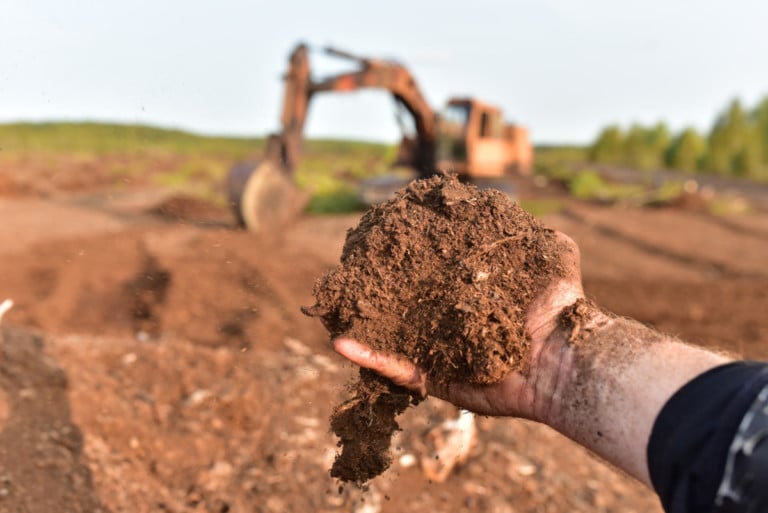
Peat moss is made up of partially decomposed organic material from Sphagnum moss, brown mosses, sedges, and semi-aquatic plants. Found predominantly in the temperate and boreal zones of the Northern Hemisphere, peat accumulates in wetlands like bogs and fens over thousands of years. Extracting peat involves draining wetlands and scraping the ground, which disrupts delicate ecosystems. Additionally, the terms “peat,” “peat moss,” and “sphagnum peat moss” are often used interchangeably, although they refer to different stages of this natural resource.
The Environmental Impact of Peat Moss
- Non-renewable Resource: Peatlands take millennia to form, accumulating at a rate of less than 2 inches per century, making them an extremely slow resource to regenerate.
- Questionable Sustainability: While some argue that regulated extraction can be sustainable, the truth is that once peatlands are damaged, they may never fully recover.
- Fragile Ecosystem: Peat bogs are unique, acid-wet ecosystems that harbor specialized plants and animals. Disturbing them can lead to habitat loss for many species.
- Accelerated Climate Change: Peatlands are vital carbon sinks. When disturbed, they release significant carbon dioxide, exacerbating climate change.
7 Earth-Friendly Peat Moss Alternatives
Fortunately, there are numerous alternatives to peat moss that can provide similar benefits without the associated environmental damage. Here are seven of the best options:
1. Compost
Compost is an ideal soil amendment, binding soil particles to create a rich, aerated loam. It retains up to 80% moisture and is teeming with beneficial microorganisms that enhance soil fertility.
2. Leaf Mold
Leaf mold is created by collecting damp leaves and allowing them to decompose over time. This natural soil conditioner improves water retention and adds organic matter, all while being easy and economical to produce.
3. Biochar
Biochar, produced by heating organic materials in low-oxygen conditions, enhances soil structure and moisture retention. It’s a long-lasting option that can improve soil fertility when properly inoculated with nutrients.
4. Green Manure
Planting cover crops such as clover or alfalfa can reinvigorate your soil. These plants naturally fix nitrogen and add organic matter back into the soil, improving structure and moisture retention.
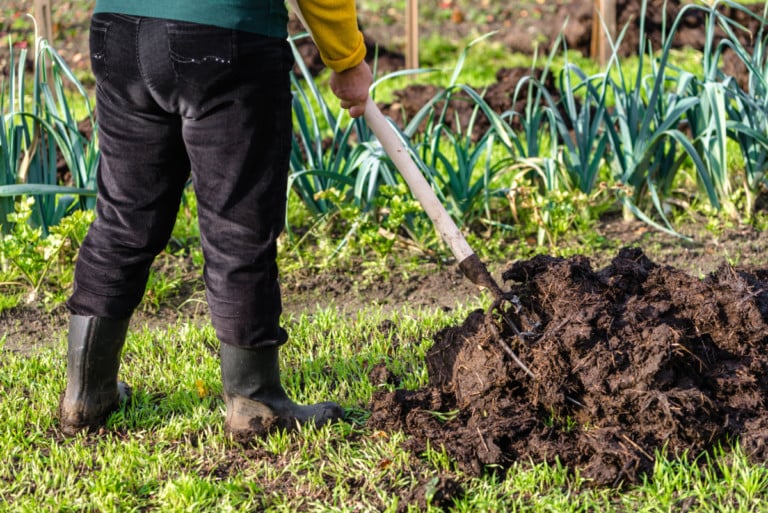
5. Composted Manure
Well-rotted livestock manure is another excellent soil amendment. It enriches soil with nutrients while improving structure and microbial activity.
6. Coconut Coir
Coconut coir is a waste by-product from the coconut industry that offers moisture retention capabilities akin to peat moss. It’s lightweight and environmentally friendly, making it a solid choice for soil conditioning.
7. Living Sphagnum Moss
While typically harvested from bogs, living sphagnum moss can be cultivated at home. It retains moisture, making it useful for various gardening applications, and can act as a living mulch for moisture-loving plants.
Conclusion
While peat moss has been a staple in gardening for decades, its environmental impact cannot be ignored. By exploring these seven eco-friendly alternatives, you can create a sustainable garden that supports both your plants and the planet. Choosing sustainable options not only enriches your soil but also contributes to preserving the delicate balance of our ecosystems.