How to Create a Deer-Proof, Drought-Resistant Backyard Orchard
How to Create a Deer-Proof, Drought-Resistant Backyard Orchard
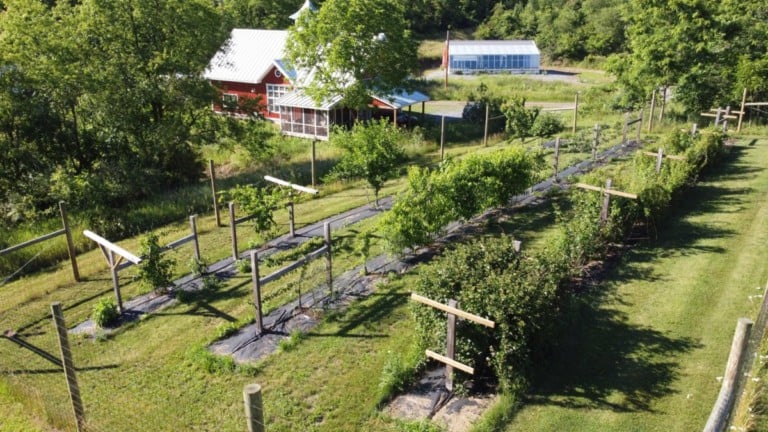
Establishing a backyard orchard can be a dream come true for any gardening enthusiast. With careful planning and the right techniques, you can create a flourishing, deer-proof, drought-resistant orchard that not only thrives but also becomes a beautiful part of your landscape. Here’s how we turned our vision into reality at Pencil Creek in south-central Pennsylvania.
Finding Inspiration and Setting Goals
After finishing our Superbarn, my wife Shana and I sat on the porch, admiring the scenery during a summer storm. Amidst the beauty, we felt something was missing. After brainstorming, we envisioned creating an orchard filled with fruit trees and berry bushes.
Getting Grounded: Consult Local Experts
To determine if our dream orchard was feasible, we turned to our local USDA National Institute of Food and Agriculture and discovered valuable resources through the Penn State Extension website. The article titled “Orchard Establishment — Site Selection and Preparation” provided essential guidelines for planting trees in our climate.
- Opt for uphill or rolling land, preferably south-facing.
- Ensure excellent drainage and wind protection.
- Verify soil quality, including pH balance and minerals.
- Position tree rows along a north/south axis to maximize sunlight.
Assessing Our Site
While our site presented some challenges, such as not being perfectly south-facing, it showed promise with decent drainage. Consulting local farmer Tim Clymer of Threefold Farm, we received invaluable advice and personalized steps to ensure the orchard’s success.
Soil Preparation for Healthy Trees
Tim recommended amending our soil with “mushroom soil,” which is a nutrient-rich substrate. We ordered 50 cubic yards to cover the orchard, planning to spread it in the fall and cover it with silage plastic over the winter. This approach ensures that beneficial organisms like worms aerate and enrich the soil.
Building a Deer-Proof Fence
With deer roaming our area, a quality fence was essential. We decided on an 8-foot tall fence using galvanized mesh and pressure-treated posts. Though pressure-treated wood is not ideal for organic farming, we compromised due to availability and cost factors.
Designing an Accessible Orchard
Understanding the concept of “aging in place,” we opted for espaliered fruit trees, which not only add beauty but also keep the trees within easy reach. We constructed multiple types of trellises tailored to the specific plants in our orchard.
Planning for Drought Conditions
As summer temperatures fluctuate, we prioritized irrigation. By hooking into our well’s existing water lines, we created an efficient irrigation system to maintain moisture in the orchard.
Protecting and Preparing the Orchard Rows
Before planting, we dressed the tree rows with silage plastic to suppress weeds and retain moisture. This step serves to keep the soil warm in winter and minimize the need for irrigation in summer.
Planting Our Orchard
Our eclectic selection of trees included a variety of berries, traditional fruit trees, and some exotic plants. With the help of local nurseries and online suppliers, we got started with planting, eager to see our efforts come to life.
Yearly Progress and Maintenance
Now, three years later, our orchard has flourished. We’ve learned valuable lessons about tending to espaliered trees and managing unexpected challenges, such as late frosts. Watching our berry bushes thrive has been particularly rewarding, and our vision of a perfect view from the porch has finally come to fruition.
Conclusion
Creating a deer-proof, drought-resistant orchard is a rewarding journey filled with challenges and opportunities for learning. With proper planning and care, your backyard can transform into a thriving fruit haven. As you embark on this adventure, remember: the satisfaction of nurturing your plants year after year is truly unparalleled.