Stop White Mold on Your Houseplant Soil: Quick Fixes You Need
Stop White Mold on Your Houseplant Soil: Quick Fixes You Need
White mold on houseplant soil can be alarming, but it’s a common issue for plant enthusiasts. Whether you’re a seasoned gardener or a novice, understanding how to deal with this problem is essential for maintaining healthy plants. In this article, we’ll explore what white mold is, its causes, and effective solutions to get rid of it.
What Is This Stuff on My Houseplants?
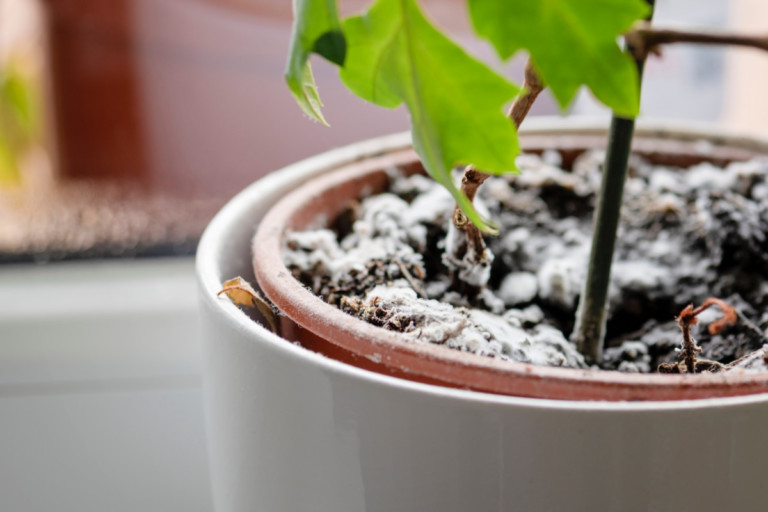
White mold often appears gradually, resembling fine dust. This fuzzy growth is typically a harmless saprophytic fungus, organisms that thrive on decaying organic matter. While its presence is natural, it may indicate underlying issues with your plant if it looks unhealthy. However, if your plant appears healthy, this mold is generally not a cause for concern, and it won’t harm you or your pets.
What Causes White Mold?
- Moisture: Excess dampness from soggy soil and high humidity creates the ideal conditions for mold growth.
- Poor Lighting: Insufficient sunlight can prevent soil from drying out, further encouraging mold to develop.
- Poor Air Circulation: Indoor plants often lack the natural airflow needed to keep leaves and soil dry, particularly in closed environments.
Getting Rid of Mold on Houseplant Soil
To effectively eliminate white mold, start by allowing the soil to dry out and address the environmental conditions that caused the mold.
- Manual Removal: One quick solution is to repot the plant with fresh potting soil. Be aware that mold-causing organisms may still be present in new soil if environmental factors aren’t corrected.
- Cinnamon: Sprinkle a thin layer of cinnamon on the soil; it contains cinnamaldehyde, a natural antifungal agent.
- Baking Soda Spray: Mix 2 teaspoons of baking soda with 1 liter of water to create a spray that combats mold due to its high pH level.
How to Prevent White Mold Growth
Prevention is key to avoiding white mold. Establishing a good care routine can keep your plants healthy and mold-free.
- Watering: Check soil moisture by poking your finger into the top inch. Water only if it feels dry. Avoid allowing plants to sit in standing water after watering.
- Keep the Top of the Soil Clean: Regularly remove dead leaves and debris from the soil’s surface to prevent decay and diseases.
- Good Air Circulation: Use ceiling fans or small oscillating fans to improve air movement around your plants, especially in winter months.
Yellow Mold: What Is It?
Occasionally, you may encounter a bright yellow mold growing on your plant’s soil. This is actually a type of slime known as Fuligo septica, or colloquially, “dog vomit slime.” Despite its unappealing name and appearance, it is harmless to both plants and pets, typically thriving in conditions of damp soil and stagnant air.
Conclusion
While moldy soil can be unsightly, it is rarely a serious concern for your plants. With the right knowledge and care, you can easily prevent and address white mold issues, allowing your houseplants to thrive. If you’re eager to expand your indoor garden, consider exploring more resources such as “12 Houseplant Mistakes Almost Everyone Makes,” “9 Low Maintenance Houseplants For The Busy Green Thumb,” and “3 Easy Ways To Propagate Succulents From Leaf, Stem Or Branch Cuttings.”