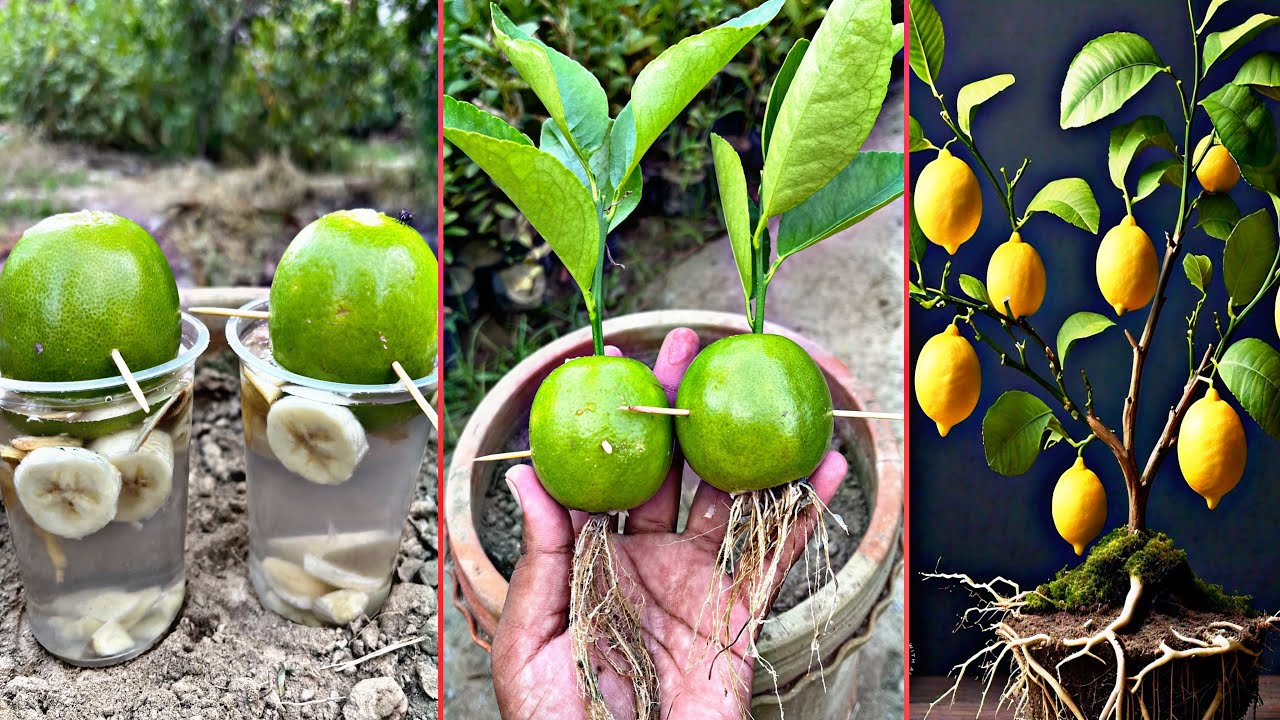
10 Unique Hacks for Growing a Thriving Lemon Tree Naturally
10 Unique Hacks for Growing a Thriving Lemon Tree Naturally
- Introduction
- Optimal Growing Conditions
- Natural Fertilizers for Lemon Trees
- Effective Pruning Techniques
- Watering Tips for Healthy Growth
- Common Mistakes to Avoid
- FAQ
- Conclusion
Introduction
Have you ever dreamt of plucking fresh lemons from your very own garden? However, many enthusiasts find it challenging to nurture a thriving lemon tree. From understanding the right conditions to ensuring proper care, the journey can be overwhelming. Keep reading to discover unique hacks for growing your lemon tree naturally and achieving that fruitful harvest you desire.
Optimal Growing Conditions
To grow a thriving lemon tree, it’s essential to provide optimal conditions that mimic its natural habitat. This includes choosing the right location and ensuring adequate sunlight and soil quality.
1. Selecting the Right Spot
Position your lemon tree in a location that receives at least 6-8 hours of direct sunlight daily. A south-facing garden or patio works wonderfully.
2. Soil Quality
Lemon trees thrive in well-draining, sandy or loamy soil. You might consider amending your garden soil with organic matter to enhance drainage and fertility.
3. Temperature and Humidity
These trees prefer warm conditions, ideally between 70°F and 85°F. If you live in a cooler climate, consider planting in pots to easily bring them indoors during cold months.
Natural Fertilizers for Lemon Trees
Feeding your lemon tree with natural fertilizers can significantly enhance its growth and fruit production. Here are a few homemade options you can easily prepare.
1. Compost Tea
- Collect well-aged compost and steep it in water for 1-3 days.
- Strain the mixture and use the liquid to water your lemon tree, giving it a nutrient boost.
2. Epsom Salt
Mixing a tablespoon of Epsom salt in a gallon of water provides magnesium, which helps boost fruit production. Apply this solution once every month during the growing season.
3. Coffee Grounds
Used coffee grounds can be a great nitrogen source. Gently mix them into the soil around the base of your lemon tree to improve soil quality.
Effective Pruning Techniques
Regular pruning techniques not only shape your lemon tree but also promote healthier, more abundant fruiting.
1. Timing Your Pruning
Prune your lemon tree in early spring or late winter before new growth starts. This timing encourages strong, healthy branches.
2. Tools You’ll Need
Using sharp pruning shears is crucial for clean cuts. Consider disinfecting your tools to prevent any disease spread.
3. What to Trim
- Remove any dead or unhealthy branches.
- Thin out crowded areas to enhance air circulation.
- Shape the tree to encourage a better structure for future fruit growth.
Watering Tips for Healthy Growth
Your lemon tree’s health and productivity depend significantly on proper watering tips. Here’s how to keep your tree hydrated without overdoing it.
1. Frequency of Watering
Water your lemon tree deeply but infrequently. Aim for every 1-2 weeks during dry spells, allowing the soil to dry out between waterings.
2. Check Soil Moisture
Use your finger to feel the soil about an inch deep before watering. If it feels dry, it’s time to water.
3. Mulching
Adding a layer of organic mulch around the base can help retain soil moisture and regulate temperature, providing a more stable environment for your tree.
Common Mistakes to Avoid
While growing a lemon tree can be rewarding, several common mistakes may hinder your success. Awareness can pave the way for better results.
1. Overwatering
One of the most frequent errors is overwatering. Be cautious and let the soil dry out before adding more water.
2. Neglecting to Protect from Pests
Ignoring pest presence can lead to infestations. Regularly inspect your tree for any signs of pests and take action promptly.
3. Poor Pruning Technique
Inadequate pruning can lead to diseases and weak branches. Always consider your cutting techniques and timing.
FAQ
How often should I fertilize my lemon tree? Fertilize once a month during the growing season, using natural options like compost tea or Epsom salt.
Can I grow a lemon tree indoors? Yes, lemon trees can thrive indoors as long as they receive adequate sunlight and warm temperatures.
What varieties of lemon trees are best for home gardeners? Some popular options include ‘Improved Meyer’ and ‘Ponderosa’ lemon trees, both known for their resilience and delicious fruit.
Conclusion
By understanding the optimal conditions and incorporating natural care methods, you can cultivate a thriving lemon tree in your garden. What unique hacks have you tried for your lemon tree? Share your experiences below!