Grow 5 Types of Peppers: Ultimate Guide to Planting, Transplanting, and Fertilizing
Grow Your Own Peppers: Ultimate Guide to Planting, Transplanting, and Fertilizing
- Why Choose Peppers?
- Required Materials
- Steps for Planting and Transplanting
- Fertilization Tips for Healthy Growth
- Common Mistakes to Avoid
- FAQ
Why Choose Peppers?
If you’re looking to spice up your garden, growing peppers can be an excellent choice. These vibrant vegetables not only add color to your space but also bring a delightful kick to your dishes. Whether you’re a fan of sweet bell peppers or fiery jalapeños, there’s a pepper variety that will suit your taste. However, many gardeners often overlook the essential steps needed to grow them successfully. Understanding the nuances of planting and caring for peppers will ensure you enjoy a bountiful harvest.
Required Materials
Before you start your pepper-growing journey, gather the following materials:
- Seeds: Choose your preferred types of peppers, whether sweet, hot, or specialty varieties.
- Seed-starting mix: This will help your seeds germinate effectively.
- Containers: Seed trays or peat pots work well for starting your seeds indoors.
- Pots: At least 5-gallon pots for transplanting your peppers.
- Fertilizer: A balanced fertilizer suitable for vegetables.
Steps for Planting and Transplanting
Proper planting techniques are crucial for the success of your pepper plants. Here’s how to do it effectively:
1. Start Seeds Indoors
- Fill your seed trays or pots with the seed-starting mix.
- Moisten the mix before planting for better seed germination.
- Plant seeds about ¼ inch deep, making sure to label each variety.
- Cover the trays with a plastic dome or plastic wrap to retain moisture.
2. Transplanting Outdoors
- Wait until the frost has passed and temperatures are consistently above 60°F (15°C).
- Select a sunny spot in your garden with well-draining soil.
- Dig holes about 18 inches apart for each pepper plant.
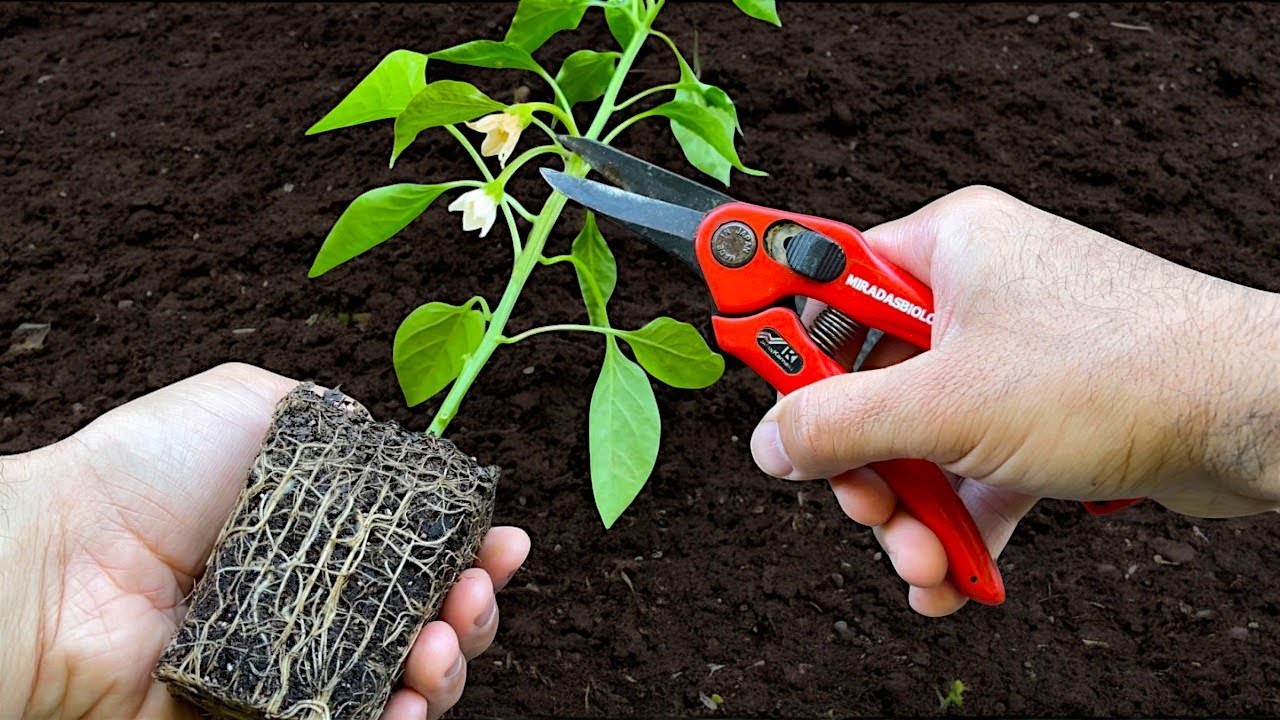
- Carefully remove the seedlings from their containers and place them in the holes.
- Fill in the gaps with soil and water thoroughly.
Fertilization Tips for Healthy Growth
Feeding your pepper plants is essential for a robust harvest. Here are some effective tips:
1. Understand Nutritional Needs
Peppers thrive on a balance of nitrogen, phosphorus, and potassium. Opt for a fertilizer ratio such as 5-10-10, which promotes flowering and fruiting. Apply fertilizer when transplanting and once every 4-6 weeks thereafter.
2. Monitor Soil pH
A pH level of 6.0 to 6.8 is optimal for peppers. You can test your soil and adjust accordingly using lime or sulfur.
3. Water Wisely
While peppers need moisture, overwatering can lead to root rot. Water your plants deeply and allow the top layer of soil to dry out between watering sessions.
Common Mistakes to Avoid
Even seasoned gardeners can make mistakes when cultivating peppers. Here are the most common pitfalls and how to sidestep them:
- Overwatering: Many gardeners tend to water their peppers too frequently, leading to root issues.
- Neglecting sunlight: Peppers require at least 6-8 hours of sunlight daily; ensure they are in a sunny location.
- Ignoring pests: Aphids and spider mites can affect your plants. Regularly inspect for signs of infestations.
- Skipping fertilizer: Under-fertilizing can hamper growth and fruit production. Be consistent with feeding.
FAQ
What is the best time to plant peppers? Typically, you should plant peppers outdoors after the last frost, when temperatures are consistently warm.
How often should I water my pepper plants? Water deeply and allow the soil to dry out slightly between watering to avoid overwatering.
Can I grow peppers in containers? Yes, peppers thrive in containers as long as they have sufficient sunlight and proper watering.
Conclusion
By understanding how to plant, transplant, and fertilize your peppers, you’re setting yourself up for a fruitful gardening experience. Start by gathering your materials, and don’t hesitate to ask questions or share your experiences in the comments. What types of peppers are you most excited to grow?