6 Signs of Arteriosclerosis You Should Never Ignore Before It’s Too Late!
Recognizing Arteriosclerosis: 6 Signs You Should Never Ignore
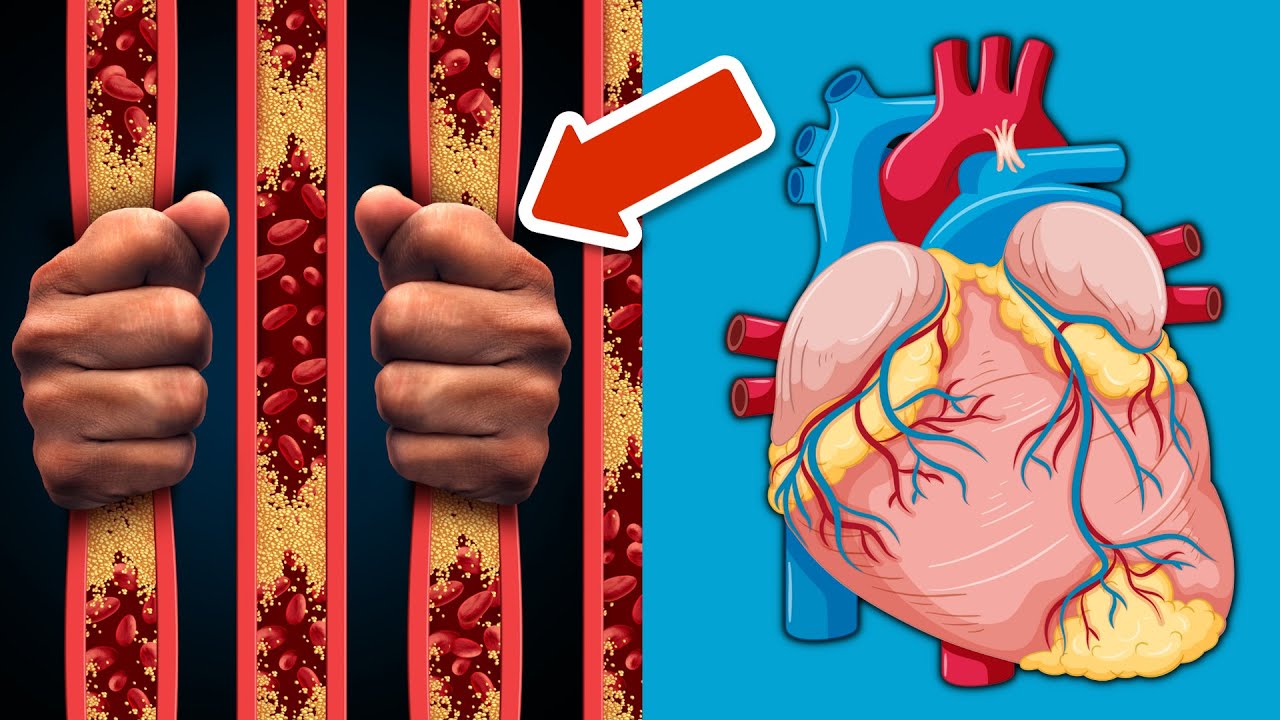
Many women may experience occasional fatigue or discomfort, dismissing it as a part of their busy lives. However, when it comes to noticing changes in your body, especially regarding your cardiovascular health, ignoring the early signals can lead to serious consequences. Recognizing arteriosclerosis early on is crucial for your well-being. Keeping an eye out for specific symptoms can make all the difference. Let’s explore these signs further and what you need to know.
Common Signs of Arteriosclerosis
Understanding the signs of arteriosclerosis can empower you to take proactive measures. Here are some symptoms to be aware of:
- Unexplained Fatigue: Feeling more tired than usual without a clear reason can be an early indicator.
- Chest Pain or Discomfort: This can manifest as a feeling of pressure, squeezing, or fullness in your chest.
- Shortness of Breath: Sudden breathing difficulties, especially during physical activity, should not be ignored.
- Blood Pressure Changes: Frequent fluctuations in blood pressure may hint at underlying health issues.
- Coldness in Extremities: If your fingers and toes feel unusually cold or numb, it could signal reduced blood flow.
- Swelling: Look out for unexplained swelling in your legs or ankles, which may indicate circulatory problems.
How to Identify Arteriosclerosis
Identifying arteriosclerosis involves observing how these signs present themselves over time. Here are some practical steps you can take:
1. Keep a Symptom Diary
Note any changes in your body or health on a regular basis. This can help you notice patterns and significant changes over time.
2. Schedule Regular Check-ups
Regular check-ups are essential for heart health. Your doctor can perform necessary tests to monitor your cardiovascular health and catch early warning signs.
3. Monitor Lifestyle Factors
Evaluating your lifestyle choices, such as diet and exercise, plays a crucial role in maintaining your cardiovascular health. Consider these tips:
- Increase your intake of fruits, vegetables, and whole grains.
- Incorporate regular physical activity into your routine.
- Limit saturated fats, sugars, and processed foods.
Mistakes to Avoid
Being aware of arteriosclerosis symptoms is key, but it’s equally important to avoid common pitfalls:
- Ignoring Symptoms: Don’t brush off unusual signs, as they may indicate something more serious.
- Neglecting Regular Health Checks: Skipping doctor visits can delay important screenings and necessary intervention.
- Relying Solely on Medication: While medication is important, lifestyle changes are essential for long-term health.
- Overlooking Family History: If heart disease runs in your family, stay vigilant about your heart health.
- Not Seeking Professional Advice: Sudden and significant symptoms warrant expert consultation.
FAQ
What causes arteriosclerosis? Arteriosclerosis is often caused by factors like high blood pressure, high cholesterol, smoking, and a sedentary lifestyle.
How is arteriosclerosis diagnosed? Doctors typically perform physical examinations, lab tests, and imaging studies to diagnose arteriosclerosis.
Can lifestyle changes reverse arteriosclerosis? While not always reversible, lifestyle changes can significantly improve your cardiovascular health and prevent further progression.
Recognizing the signs of arteriosclerosis is vital for early intervention. Keeping track of your health and making necessary lifestyle changes can help protect your heart. What signs have you noticed and addressed in your life? We’d love to hear your thoughts in the comments!