7 Shocking Effects of Sitting Too Much on Your Body You Need to Know!
Understanding the Impact of Sitting Too Much on Your Body
- Introduction
- Health Risks of Prolonged Sitting
- Muscle Weakness and Imbalance
- Mental Health Concerns
- Common Mistakes to Avoid
- FAQ
- Conclusion
Introduction
Many of us find ourselves glued to our chairs for hours on end, whether at work or lounging at home. You might notice that your energy levels plummet or even feel some discomfort after long periods of sitting. The nagging question about the long-term effects often lingers in our minds. If you’ve ever pondered how this lifestyle might affect your health, you’re not alone. Continue reading to uncover vital information about the effects of sitting too much on your body.
Health Risks of Prolonged Sitting
Prolonged sitting has been linked to various health issues that can be concerning. Here are some significant risks associated with too much time spent in a seated position:
1. Increased Risk of Chronic Disease
Studies suggest that sitting for long periods elevates your risk of:
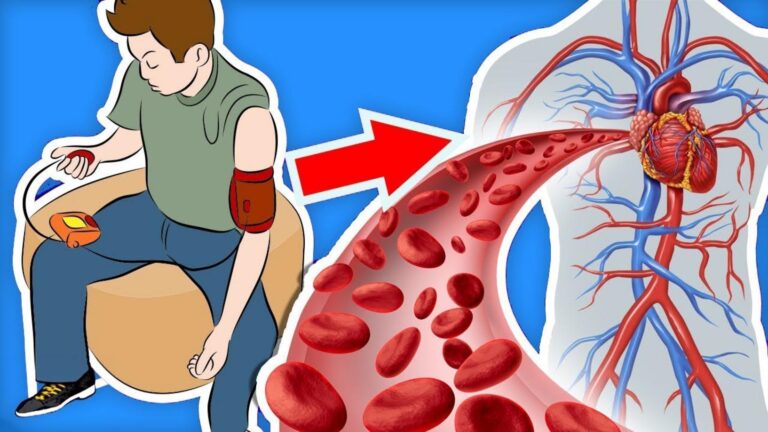
- Heart disease – Sedentary lifestyles can result in raised cholesterol and blood pressure.
- Diabetes – Insulin resistance often increases with extended sitting.
- Cancer – Certain studies link prolonged sitting with higher risks of cancers, including colon and breast cancer.
2. Obesity
Your body burns fewer calories when you sit, contributing to weight gain over time. Consider replacing a few of your sitting activities with more active options.
Muscle Weakness and Imbalance
Sitting excessively can lead to muscle weakness and imbalances throughout your body. Specific areas that suffer include:
1. Hip Flexors
Sitting tightens your hip flexors, making them weak over time. This can lead to poor posture and discomfort.
2. Glutes
Your glute muscles may weaken due to lack of use while sitting. This can affect your walking and overall stability.
3. Core Strength
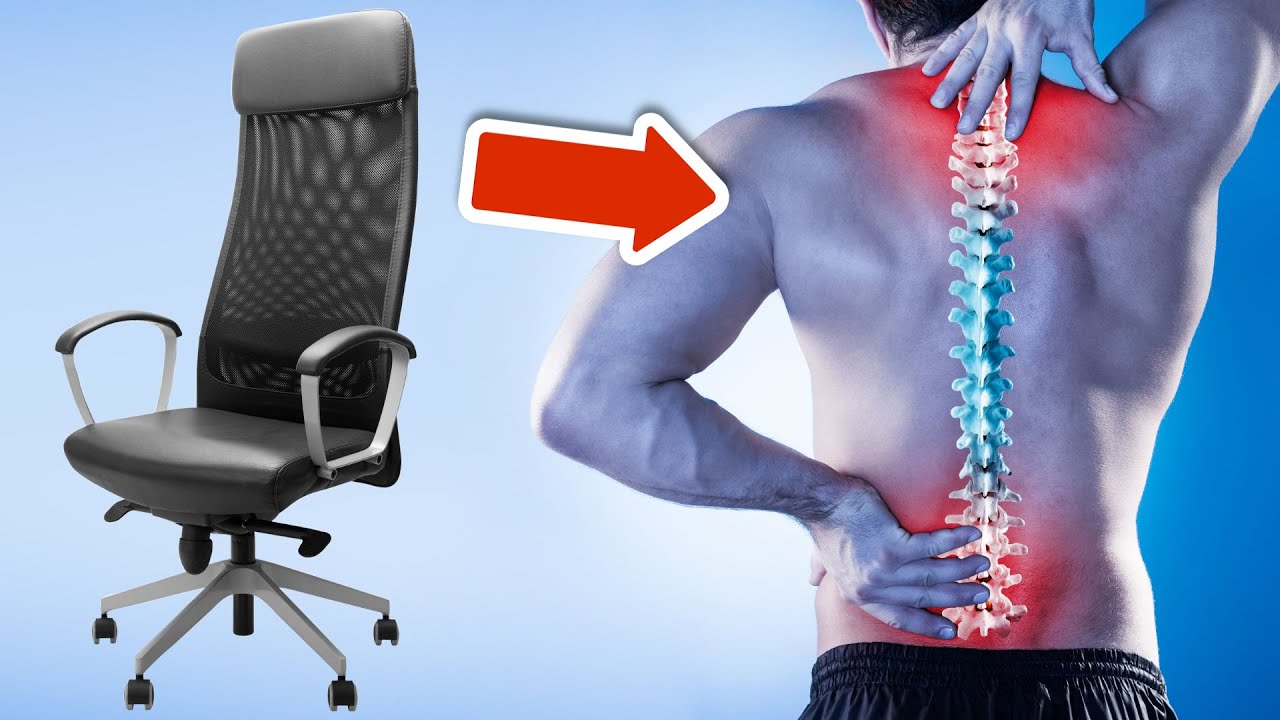
Your core relies on strong muscles to support your spine. Prolonged sitting can lead to core weakness, impacting your posture and balance.
Mental Health Concerns
Prolonged sitting doesn’t just affect your physical health; it can also impact your mental well-being:
1. Anxiety and Depression
Studies indicate a strong link between sedentary behavior and higher levels of anxiety and depression. Movement can trigger the release of endorphins, which improves mood.
2. Decrease in Productivity
Sitting for long periods can lead to feelings of fatigue and reduce your ability to concentrate. Taking short breaks can enhance your productivity and focus.
3. Lower Energy Levels
Interestingly, sitting too much can lead to lower overall energy levels. Incorporating light movement throughout your day can help maintain your energy.
Common Mistakes to Avoid
When it comes to combating the negative effects of sitting, avoiding certain pitfalls is essential:
1. Ignoring Breaks
Many people forget to take regular breaks. Aim for a short walk or stretch every hour.
2. Overlooking Ergonomics
Choosing an improper workstation can lead to postural issues. Ensure your chair and desk height are comfortable.
3. Relying on Exercise Alone
It’s easy to think that a daily workout is enough to counteract prolonged sitting. However, balancing movement throughout the day is equally important.
FAQ
1. How often should I take breaks from sitting? Ideally, aim to take a break every hour to stretch or move around for a few minutes.
2. Can I improve my health just by standing more? Yes, standing more can help reduce some of the risks associated with prolonged sitting, such as obesity and heart disease.
3. Are there specific exercises to counteract sitting? Yes, exercises focusing on the core, hips, and glutes can significantly help offset the effects of excessive sitting.
Conclusion
Understanding the effects of sitting too much on your body is crucial for maintaining your overall health. Small adjustments throughout your day, such as taking breaks and incorporating movement, can make a significant difference. How do you plan to change your daily routine to address the impacts of sitting?