5 Incredible Reactions When You Mix Cola and Vinegar You Must See!
5 Fascinating Reactions When You Mix Cola and Vinegar
- The Science Behind the Reaction
- Experiment Ideas to Try
- Safety Precautions to Keep in Mind
- Common Mistakes to Avoid
- FAQs
Have you ever wondered what happens when you combine two seemingly ordinary household items like cola and vinegar? Perhaps you’ve seen videos showcasing bubbly eruptions or stunning color changes. These reactions can be both entertaining and educational, providing a great opportunity to explore basic chemistry concepts and engage in hands-on learning activities. If you’re curious about the science and fun behind this fizzy combination, you’re in the right place!
The Science Behind the Reaction
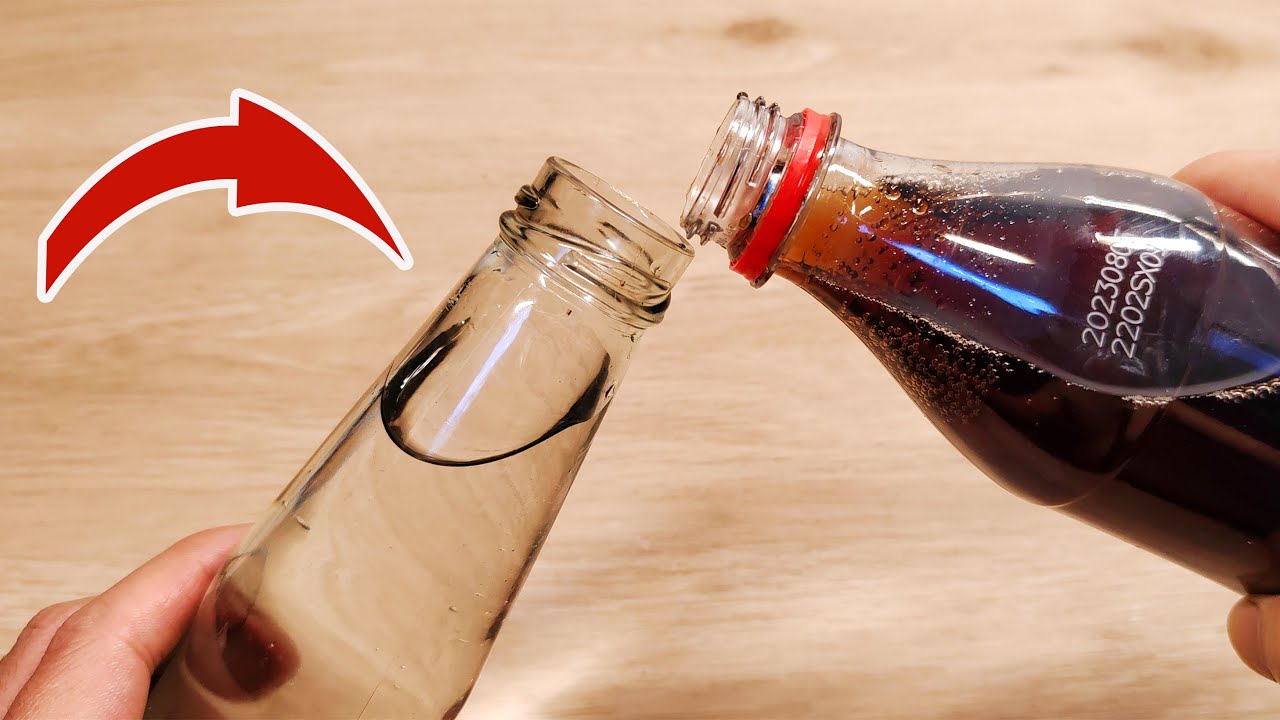
When you mix cola and vinegar, a series of reactions occur because of the acid-base interaction between the components. The carbonic acid in cola reacts with the acetic acid in vinegar, leading to the release of carbon dioxide gas, which creates bubbles and fizz. Understanding this interaction allows you to appreciate both the science and the surprising effects that result from this combination.
1. Ingredients and Materials
To conduct your own experiments, you’ll need:
- Cola (any brand will do)
- White vinegar
- A container (like a clear glass or bowl)
- A spoon for stirring
2. The Chemical Reactions Explained
The visible reaction occurs due to the rapid release of carbon dioxide. Initially, the combination of cola and vinegar creates a foamy eruption similar to what you might see with a mentos and cola reaction. The bubbling indicates that gas is escaping, which is part of the reaction process.
3. Observing Changes
After mixing, you may notice:
- A change in bubbling intensity
- A variation in color and clarity of the liquid
- Temperature change as the reaction proceeds
Experiment Ideas to Try
Now that you know the basic science, here are some fun experiment ideas to explore even more reactions with cola and vinegar. You can tailor these to suit various ages and interests.
1. Experimenting with Ratios
- Start by mixing different amounts of cola and vinegar; observe how the reaction changes with various ratios.
- Record your findings in a notebook, noting the amount of bubbling and reaction time.
2. Color Exploration
Try adding food coloring to either the cola or the vinegar before mixing. This can enhance the visual appeal of your experiments and provide more insight into the reaction’s physical changes.
3. Comparing Different Colas
Use various types of cola, such as diet or flavored options. Note how each type reacts when combined with vinegar, and discuss the differences.
Safety Precautions to Keep in Mind
While mixing cola and vinegar is generally safe, taking precautions can ensure a smooth and enjoyable experience.
1. Work in a Controlled Area
Conduct your experiments in a space that is easy to clean, as the bubbling reaction can cause spillage.
2. Protective Gear
If needed, wear gloves and goggles to protect your skin and eyes, especially if you’re experimenting with larger quantities.
3. Avoid Mixing Other Substances
Stick solely to cola and vinegar to keep things simple and safe. Mixing with other ingredients without knowledge could lead to unforeseen reactions.
Common Mistakes to Avoid
As with any experiment, there are a few pitfalls that can lead to disappointing results or safety issues. Here are some common mistakes to steer clear of:
1. Using the Wrong Container
Make sure you are using a sturdy container. Thin plastic jars may not hold up against the vigorous reactions.
2. Not Measuring Properly
When experimenting with ratios, be precise. Incorrect measurements can lead to unclear results.
3. Neglecting Cleanup
Always clean up spills immediately to prevent sticky surfaces and potential slipping hazards.
FAQs
What happens if I mix too much cola and vinegar?
Mixing too much may lead to an overwhelming reaction, causing a messy overflow, so it’s best to start small.
Can this mixture be used for cleaning?
Yes, cola and vinegar have been known to clean some stains due to their acidity, making them useful for household tasks.
Are there any safety concerns with mixing cola and vinegar?
Generally, it’s safe, but avoid adding other substances to prevent unexpected reactions, and ensure you are in a clean, controlled environment.
Conclusion
Mixing cola and vinegar offers a fascinating look into chemical reactions right at home. Exploring this combination can be an exciting way to engage both creativity and scientific inquiry. Have you tried mixing anything else that sparked your interest? Feel free to share your experiences in the comments below!