
7 Warning Signs Your Body Is Overproducing Estrogen – Don’t Ignore Them!
7 Warning Signs Your Body May Be Overproducing Estrogen
- Introduction
- Common Signs of Estrogen Overproduction
- Possible Causes of Estrogen Overproduction
- Impacts on Your Health
- Mistakes to Avoid
- FAQ
- Conclusion
Introduction
Many women may notice changes in their body or mood that leave them feeling uneasy. You might experience weight gain, mood swings, or irregular periods, but the underlying cause can sometimes be elusive. While these symptoms can stem from various issues, overproduction of estrogen is a common factor. Recognizing the signs early can help you manage your health better. Let’s explore the warning signs that you should not overlook.
Common Signs of Estrogen Overproduction
Estrogen plays a crucial role in the female body, but an excess can lead to several noticeable symptoms. Understanding these warning signs can guide you in identifying potential issues.
1. Irregular Periods
Many women notice changes in their menstrual cycles, such as missed periods or heavier bleeding. An imbalance in estrogen levels could disrupt your cycle, leading to irregularities.
2. Weight Gain
Rapid or unexplained weight gain, especially around the hips and thighs, can indicate high estrogen levels. This may be due to hormonal imbalances affecting fat storage.
3. Mood Swings
Higher estrogen levels can contribute to mood swings or feelings of anxiety and irritability. If you find your emotions fluctuating, it could be linked to hormone imbalances.
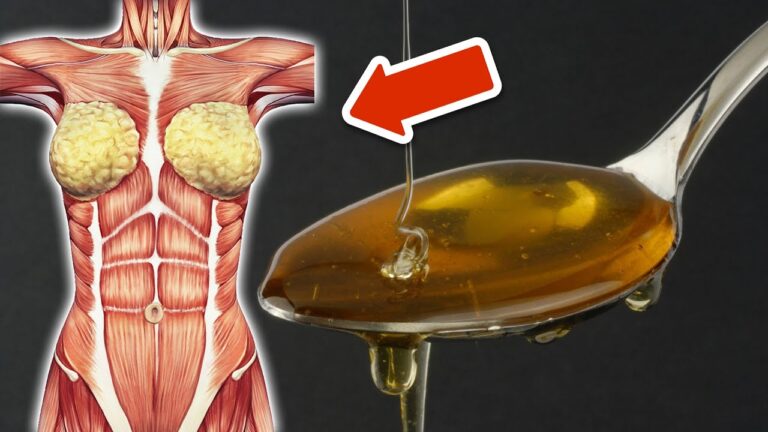
4. Breast Tenderness
If you frequently experience breast tenderness or swelling before your period, this might be a sign of excess estrogen affecting your body’s hormonal balance.
5. Fatigue
Feeling overly tired despite adequate sleep can also be a symptom. Hormonal imbalances, including too much estrogen, might impact your energy levels.
Possible Causes of Estrogen Overproduction
Identifying the causes of estrogen overproduction is key to understanding how to address the symptoms effectively. Here are several factors that could contribute.
1. Diet
What you consume can significantly impact your hormone levels. Diets high in processed foods or lacking essential nutrients may lead to hormonal imbalances.
2. Environmental Factors
Exposure to certain chemicals, such as parabens or bisphenol A (BPA), which mimic estrogen, can disrupt your endocrine system. Reducing exposure to these substances may help maintain hormonal balance.
3. Lifestyle Choices
Inadequate exercise and high-stress levels can contribute to rising estrogen levels. Incorporating regular physical activity and stress-reducing practices like meditation can counteract this.
Impacts on Your Health
High levels of estrogen can pose various health risks that you should consider. Understanding these impacts helps in being proactive about your well-being.
1. Increased Risk of Certain Cancers
High estrogen levels have been linked to an increased risk of breast and uterine cancers. Monitoring your hormone levels is essential for early detection and prevention.
2. Cardiovascular Issues
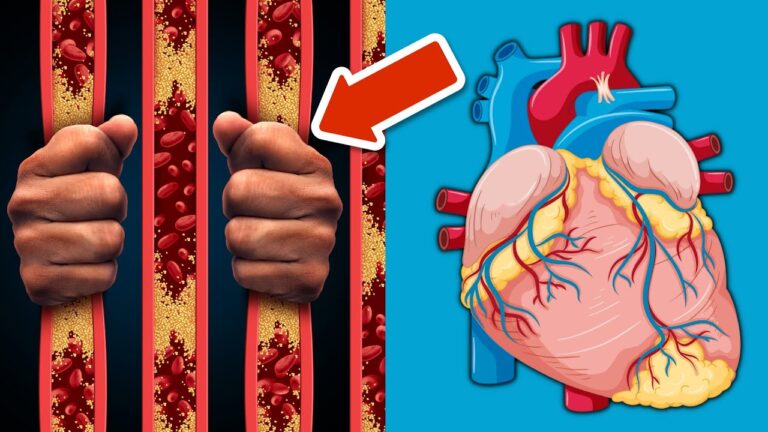
Overproduction of estrogen may lead to blood clotting disorders and other cardiovascular problems. Keeping track of your symptoms can help you mitigate these risks.
3. Impact on Reproductive Health
High estrogen can lead to complications in fertility. If you’re trying to conceive and experience symptoms of imbalance, it might be worth consulting a healthcare provider.
Mistakes to Avoid
When dealing with symptoms of estrogen overproduction, it’s important to be aware of common pitfalls that may hinder effective management.
1. Ignoring Symptoms
Don’t dismiss subtle signs like mood changes or irregular cycles. Acknowledging these symptoms is the first step in addressing potential issues.
2. Self-Diagnosing
While research is valuable, self-diagnosing can lead to misunderstanding your health. Consulting a healthcare professional can provide targeted insight.
3. Being Inconsistent with Lifestyle Changes
Making changes to your diet or exercise routines is important, but inconsistencies can undermine your efforts. Strive for sustained alterations over fleeting adjustments.
FAQ
1. What should I do if I suspect I’m overproducing estrogen?
You should consult a healthcare professional who can perform tests and offer tailored advice based on your symptoms.
2. Can lifestyle changes effectively manage estrogen levels?
Yes, adopting a healthy diet, increasing physical activity, and reducing stress can significantly help in managing estrogen balance.
3. Are there any natural remedies for hormone imbalance?
Natural remedies, such as herbal supplements like chaste tree berry or dietary changes, can help support hormonal balance. Always consult a professional before starting any new remedies.
Conclusion
Recognizing the symptoms of estrogen overproduction is crucial to maintaining your health. If you experience any of these signs, consider reaching out for professional guidance. What symptoms have you noticed, and how have you addressed them?