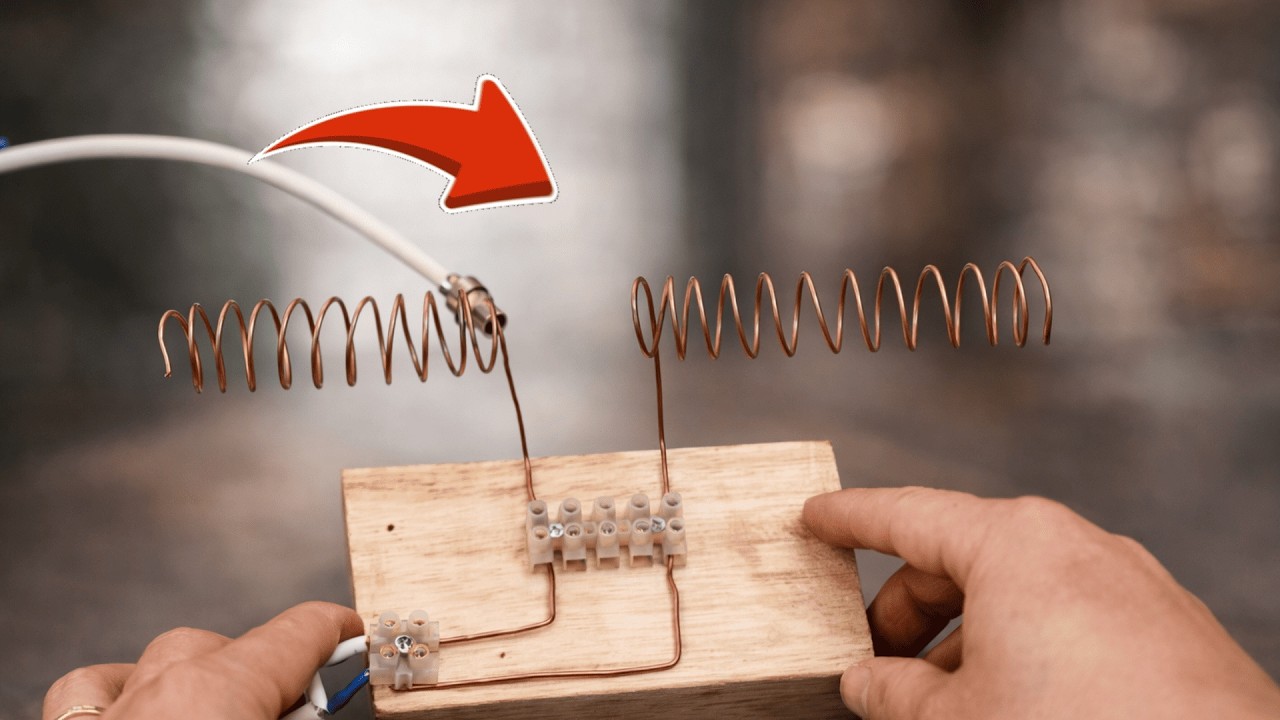
Transform Copper Wire: 5 Simple Steps for a Powerful Signal Booster!
Transform Copper Wire: A Practical Guide to Create a Signal Booster
Introduction
Have you ever struggled with weak Wi-Fi signals in certain areas of your home or garden? It can be frustrating when your connection drops just when you need it. Perhaps you’ve tried various solutions, only to find they didn’t improve the situation. If you’re looking for a practical way to enhance your signal without breaking the bank or needing professional help, you’re in the right place. Keep reading to discover how transforming copper wire can help you boost your signal effectively.
Required Materials
To get started with your signal booster, gather the following materials:
- Copper wire (approximately 10–15 feet)
- Aluminum foil (a small sheet)
- Soldering iron or adhesive tape
- Wire cutters
- Ruler for measuring
- Coaxial cable to connect to the router
These simple materials will help you craft a signal booster that can significantly improve your connectivity. Make sure you have everything ready before diving into the next steps!
Step-by-Step Guide
Follow these steps to transform copper wire into a signal booster:
- Measure the copper wire: Cut a piece measuring about 8–10 inches. This length works well for most setups.
- Shape the wire: Bend the wire into a small loop, ensuring the ends meet to create a circular shape. This structure will help optimize the signal.
- Secure the wire: Use soldering or adhesive tape to keep the loop intact. It’s essential for maintaining the shape during use.
- Prepare the foil: Cut a piece of aluminum foil into a rectangle that can wrap around the base of the wire loop. This foil will help reflect and amplify the signal.
- Attach the coaxial cable: Connect one end of the coaxial cable to your router and the other to your newly formed copper wire loop. Position it away from any potential obstructions.
By following these steps, you’ll create a functional signal booster that enhances your connectivity, making it easier to access your devices anywhere you need.
Practical Tips for Success
- Ensure the connection points are clean for optimal signal transfer.
- Test the setup in various locations to find the best position for signal enhancement.
- Regularly check and maintain your materials to prevent wear and tear.
Visualizing Your Setup
You might consider placing the copper wire loop in different areas such as near a window or on a shelf to maximize its effectiveness. Additionally, ensuring that the foil is smooth and without creases improves the signal coverage.
Common Mistakes
Here are a few common mistakes to avoid when creating your signal booster:
- Not measuring the wire properly: An incorrect length can lead to inefficient signal boosting.
- Using damaged materials: Ensure your copper wire and coaxial cable are in good condition to avoid disconnects.
- Ignoring environmental factors: Positioning the booster in an area with heavy interference can diminish its effectiveness.
- Rushing the setup: Taking your time during the assembly process can lead to a more reliable outcome.
FAQ
Can I use any type of copper wire?
While you can use various types of copper wire, thinner gauge wire is often more suitable for signal boosting due to its flexibility and ease of adjustment.
How long will the signal boost last?
With proper care, your copper wire signal booster can provide improvements continuously. Just ensure the materials remain in good condition.
Is it safe to use a homemade signal booster?
Yes, as long as you follow safe practices while constructing it, using common household materials poses no risk.
Conclusion
Transforming copper wire into a signal booster can be a simple yet effective solution to improve your connectivity. By following the steps outlined and avoiding common mistakes, you can enjoy a more reliable signal throughout your home. How have you enhanced your signal connectivity in the past? Share your experiences in the comments!