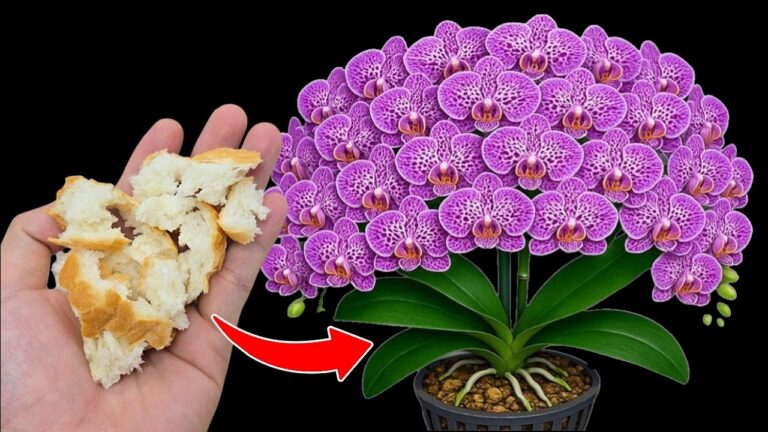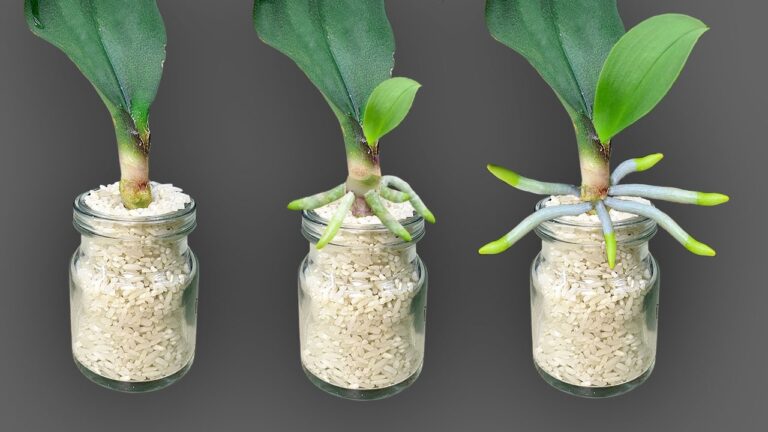
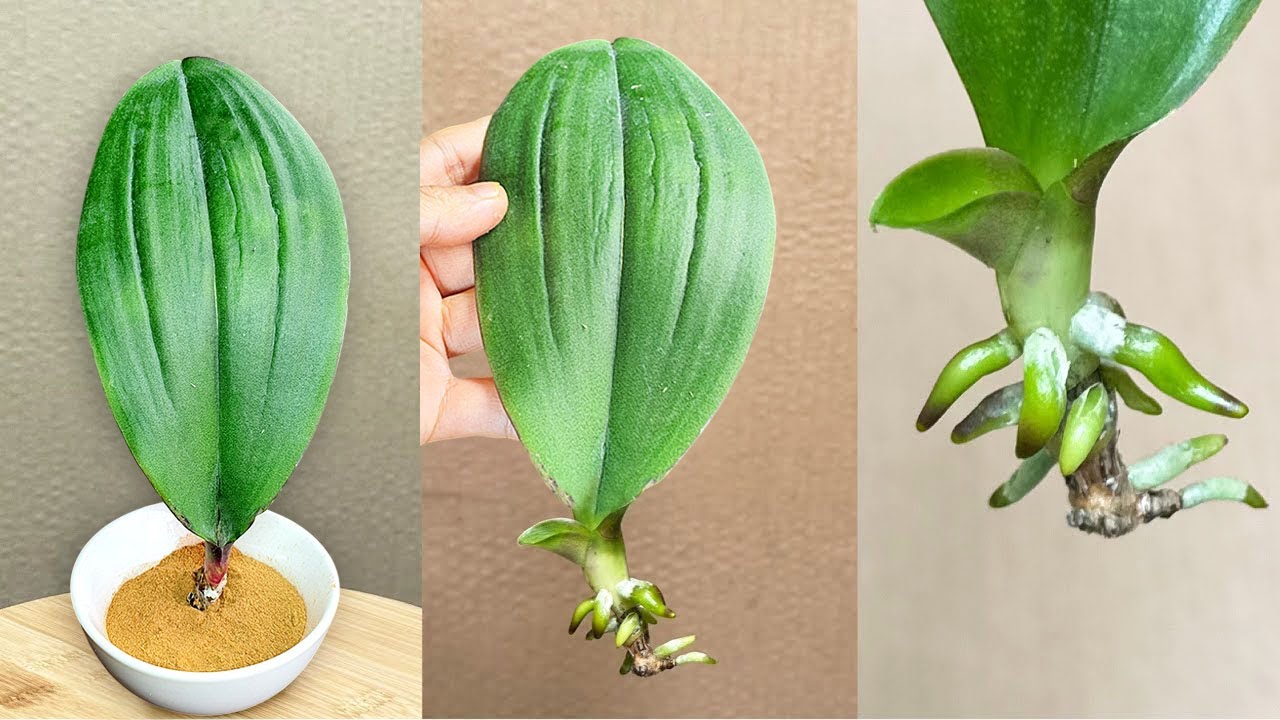
Grow 1 Orchid Leaf with This Unique Method for Endless Blooms!
Grow an Orchid Leaf for Endless Blooms: A Unique Method
Introduction
Have you ever bought an orchid only to watch it lose its blooms shortly after? Many orchid enthusiasts struggle with keeping these beautiful plants thriving. You may find yourself wondering how to achieve those stunning flowers year after year. In this article, we’ll explore how a single orchid leaf can be your gateway to endless blooms, offering insights that will help you along the way.
Understanding Orchids
Orchids are enchanting plants, known for their unique beauty and diverse shapes. Understanding them is key to successful growth.
Orchid Varieties
There are thousands of orchid species, but knowing a few common types can aid in your care journey:
- Phalaenopsis: Also known as the moth orchid, it’s one of the easiest to care for.
- Cattleya: Recognized for its vibrant and fragrant flowers.
- Dendrobium: Known for their bushy appearance and robust blooms.
Growth Conditions
Orchids thrive in specific conditions:
- Light: They require indirect light; too much direct sunlight can scorch their leaves.
- Humidity: Orchids prefer a humidity level of around 60-80%.
- Temperature: Ideal temperatures range from 65°F to 75°F during the day.
Growing Orchid Leaves
Creating an environment to nurture your orchid leaves will help in producing beautiful blooms.
Materials Needed
Before you start, gather the following items:
- Well-draining potting mix: This is essential to avoid root rot.
- Clear plastic container: Allows you to monitor root growth.
- Watering can: Use for regular watering, ensuring not to overwater.
Step-by-Step Growing Process
- Prepare your potting mix in the clear container.
- Plant the orchid in the mix, making sure the roots are well-covered.
- Water lightly and place in an area with bright, indirect sunlight.
- Monitor the humidity and maintain the optimal conditions daily.
Care Tips for Healthy Leaves
To ensure your orchid leaves stay vibrant and healthy:
- Fertilize every 2-3 weeks with a balanced orchid fertilizer.
- Trim any dead or yellowing leaves to encourage new growth.
- Check for pests regularly; this will protect your plant’s overall health.
Common Mistakes
When growing orchids, avoiding common pitfalls can make a significant difference in your success. Here are some mistakes to watch out for:
- Overwatering: This is perhaps the most common issue. Make sure the potting mix dries out slightly between waterings.
- Ignoring light requirements: Too much light can damage leaves; ensure indirect sunlight is provided.
- Using regular soil: Standard potting soil can retain too much moisture. Stick to specialized orchid mix.
FAQ
How often should I water my orchid?
Water your orchid every 1-2 weeks, allowing the potting mix to dry between waterings to prevent root rot.
What should I do if my orchid’s leaves turn yellow?
Yellowing leaves can indicate overwatering or too much direct sunlight. Adjust your watering schedule and lighting conditions accordingly.
How can I promote blooming?
To encourage blooms, maintain consistent care, including adequate light, humidity, and periodic fertilization.
Conclusion
Growing an orchid leaf the right way can lead to breathtaking blooms that brighten your space. By understanding their needs and avoiding common mistakes, you can enjoy your orchids for years to come. What has been your biggest challenge in caring for orchids?