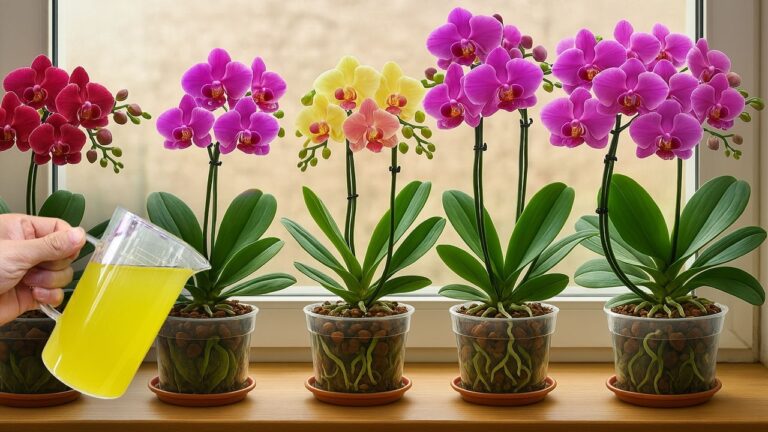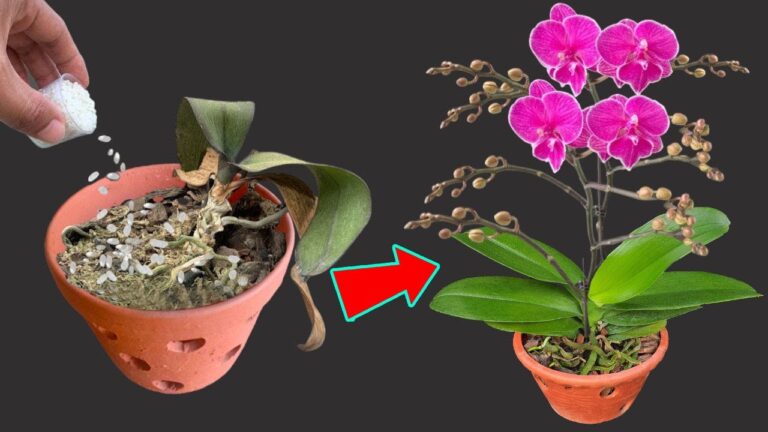
1 Teaspoon Makes Orchids Grow 1001 Roots and Bloom Like Crazy!
1 Teaspoon for Healthy Orchid Growth and Abundant Blooms
- Introduction
- Understanding Orchid Needs
- Effective Nutrients for Orchids
- Preparing Nutrient Solutions
- Common Mistakes in Orchid Care
- FAQ
- Conclusion
Introduction
As an orchid enthusiast, you might have experienced the frustration of watching your prized blooms fail to thrive. Perhaps they appear droopy or lack the vibrant flowers you desire. It can be heartbreaking, especially when you’ve invested care and time into your collection. Understanding the right nutrients can be the key to transforming your orchids into lush, blooming beauties. Keep reading to discover how just one teaspoon can make a remarkable difference!
Understanding Orchid Needs
Orchids, despite their exotic appearance, have specific requirements for healthy growth. Comprehending these needs is crucial for fostering healthy plants.
Light Requirements
Orchids thrive in bright, indirect light. Placing them in a location where they receive filtered sunlight will help them flourish.
Watering Needs
The way you water your orchids significantly impacts their health. Generally, you should only water when the potting medium feels dry to the touch, which can vary based on the season and humidity.
Temperature and Humidity
Maintaining appropriate temperature and humidity levels is essential. Most orchids prefer daytime temperatures between 70°F and 80°F and night temperatures ranging from 60°F to 70°F, with humidity levels around 50%-70%.
Effective Nutrients for Orchids
Applying the right nutrients can invigorate your orchids, leading to robust roots and spectacular blooms. Here’s what you need to know.
Choosing the Right Fertilizer
Opt for a balanced fertilizer with equal parts nitrogen, phosphorus, and potassium, commonly referred to as NPK. A 30-10-10 formula can be particularly effective for enhancing plant growth and flowering.
Making the Most of Nutrients
Mix your fertilizer in accordance with package instructions, usually around a quarter to half of the recommended strength. This cautious approach prevents nutrient burn.
Use of Organic Solutions
Incorporating organic solutions can also enhance nutrient absorption. Consider using banana peels or Epsom salt as they are rich in potassium and magnesium, promoting growth and blooms.
Preparing Nutrient Solutions
A simple nutrient solution can make a significant difference in your orchids’ health. Follow these steps to create an effective mixture.
Gather Your Materials
- 1 teaspoon balanced liquid fertilizer
- 1 gallon of water
- A clean container for mixing
Mixing the Solution
- Measure 1 teaspoon of the fertilizer.
- Add it to 1 gallon of water in the mixing container.
- Stir the solution thoroughly until the fertilizer is completely dissolved.
Application Tips
Water your orchids with this solution every 2-4 weeks during the growing season. Be sure to flush the potting medium with plain water once a month to prevent salt buildup.
Common Mistakes in Orchid Care
While caring for orchids, avoiding common pitfalls can enhance their growth and health. Here are some mistakes to watch out for.
Overwatering
One of the most frequent mistakes is overwatering, which can lead to root rot. Ensure that the potting media dries out between waterings to prevent this.
Ignoring Proper Light Levels
Placing orchids in direct sunlight can scorch their leaves. Always provide them with filtered light or partial shade.
Neglecting Fertilizer Needs
Failing to fertilize or using an incorrect formula can stunt growth. Ensure you use the right nutrients specifically designed for orchids and follow the dilution guidelines.
FAQ
How often should I water my orchids?
Water your orchids when the potting medium feels dry, typically every week to ten days, depending on humidity levels.
What type of fertilizer is best for orchids?
A balanced fertilizer with an NPK ratio of 30-10-10 is effective, but an organic alternative can also benefit your plants.
What is the ideal light condition for orchids?
Orchids prefer bright, indirect light, avoiding direct sunlight to prevent leaf burn.
Conclusion
Using just one teaspoon of the right fertilizer can greatly enhance the growth and blooming of your orchids. Focusing on their specific needs ensures a thriving environment. What tips do you have for nurturing your orchids? Share your experiences in the comments!