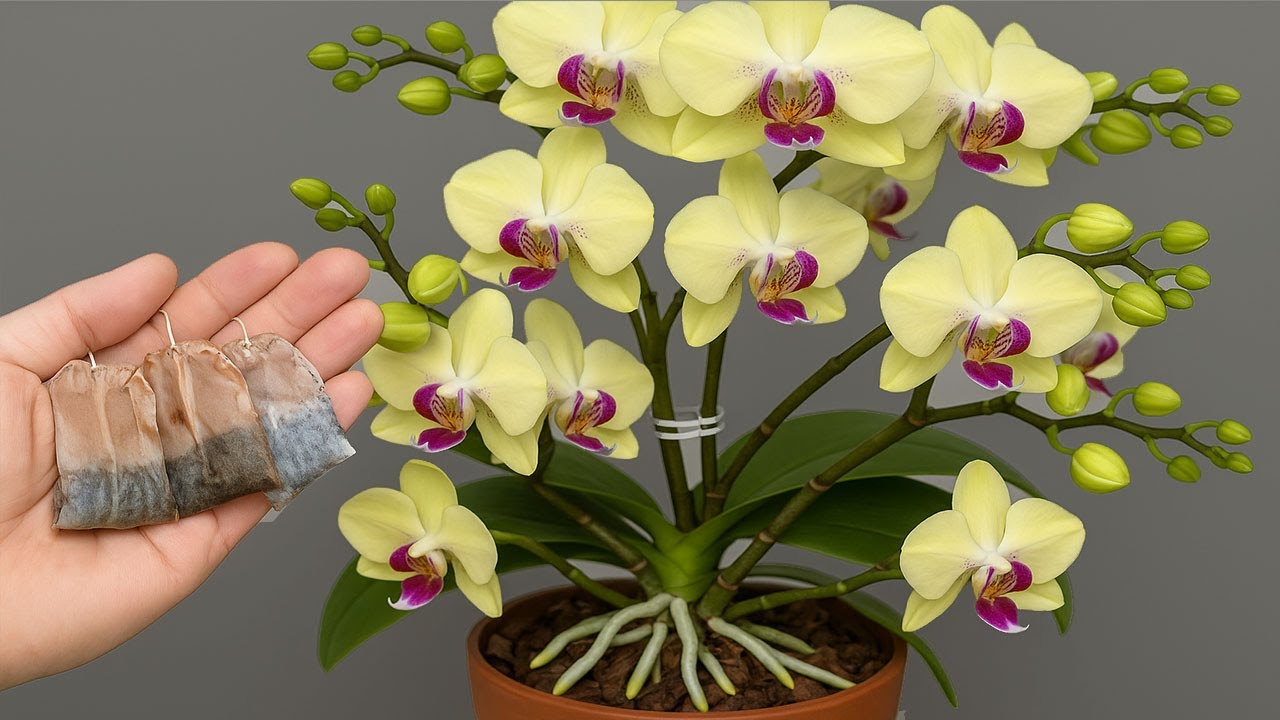
1 Simple Trick to Keep Orchids Blooming All Year Long! 🌸
How to Keep Orchids Blooming All Year Long
- Introduction
- Essential Care Tips for Orchids
- Creating the Ideal Environment
- Watering Techniques for Orchids
- Fertilizing for Continuous Blooms
- Common Mistakes to Avoid
- FAQ
- Conclusion
Introduction
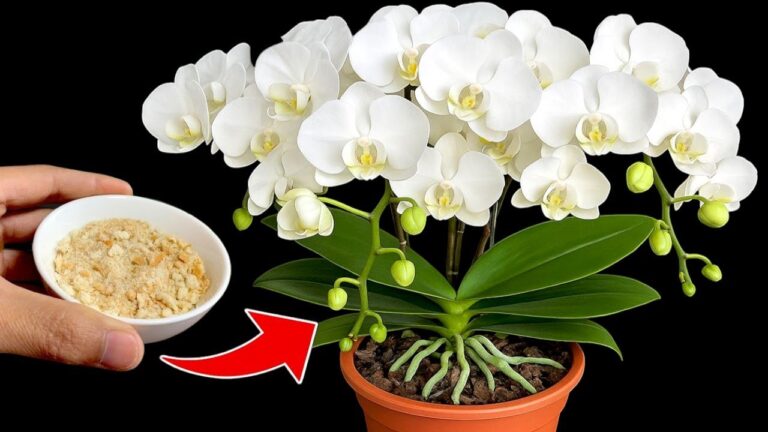
Orchids are stunning houseplants known for their exotic appearance and lengthy flowering periods. However, keeping them in bloom can sometimes feel like a challenge, especially when faced with different environmental conditions or care routines. You may find your lovely orchid blooming beautifully one day and then struggling the next, leaving you wondering what went wrong. Fortunately, with the right knowledge and care practices, you can encourage your orchids to bloom all year long. Read on to discover how to achieve this vibrant display.
Essential Care Tips for Orchids
To keep your orchids thriving, you’ll need to follow some essential care tips that focus on their unique needs.
1. Choosing the Right Orchid
Different orchid species have varying requirements. Phalaenopsis orchids, for example, are among the easiest to care for and can bloom multiple times per year with proper maintenance.
2. Potting and Medium
Using the right potting medium is crucial for healthy orchids. A mix of bark, charcoal, and perlite ensures good drainage, allowing roots to breathe while retaining some moisture.
3. Light Requirements
Orchids love bright, indirect sunlight. Placing them near a window with filtered light can promote healthy growth and abundant blooms.
Creating the Ideal Environment
Your orchid’s environment plays a significant role in its blooming cycle. Here are some key factors to consider:
1. Temperature
Most orchids thrive in temperatures between 65°F and 75°F during the day and a slight drop at night. Maintaining this temperature range is essential for flower production.
2. Humidity Levels
Orchids prefer a humidity level of around 40% to 70%. To increase humidity, you can use a pebble tray filled with water or a humidifier in the room.
3. Air Circulation
Proper air circulation is vital to prevent mold and pests. Ensure your orchids are placed in a spot with good airflow, but avoid direct drafts that can chill them.
Watering Techniques for Orchids
Watering is a critical aspect of orchid care. Use these tips to ensure you’re providing the right amount:
1. Watering Schedule
Orchids typically need to be watered every 7 to 10 days, but this can vary based on humidity and temperature. Check the potting medium; if it’s dry, it’s time to water.
2. Watering Method
Water your orchids thoroughly, allowing water to flow out of the drainage holes. This ensures that all roots are hydrated without leading to rot.
3. Signs of Overwatering
Be cautious of signs indicating overwatering, such as yellowing leaves or a mushy root system. Adjust your watering habits accordingly.
Fertilizing for Continuous Blooms
Proper fertilization can promote healthy growth and more blooms. Consider the following:
1. Choosing the Right Fertilizer
Select a balanced orchid fertilizer with a ratio such as 30-10-10. This helps support blooming without overloading the plant with nutrients.
2. Fertilizing Schedule
Feed your orchids every 2-4 weeks during the growing season. Reduce feeding during dormancy in the winter months.
3. Application Tips
Always dilute the fertilizer to half the recommended strength to prevent root burn. Apply it when the potting medium is damp to enhance nutrient absorption.
Common Mistakes to Avoid
Improving your orchid care involves understanding the common pitfalls. Here are a few mistakes to watch out for:
1. Overwatering
One of the most frequent mistakes is overwatering, which can lead to root rot. Always ensure your pot has good drainage.
2. Neglecting Pruning
Failing to prune old spikes or dead leaves can hinder new growth. Regularly check your plant and snip off any spent blooms or unhealthy foliage.
3. Using the Wrong Pot Size
A pot that’s too large can retain excess moisture, leading to root issues. Choose a pot that fits your orchid snugly to promote healthy root growth.
FAQ
How often should I water my orchids?
Generally, orchids should be watered every 7 to 10 days, but check the potting medium to see if it’s dry before watering.
What type of light do orchids need?
Orchids thrive in bright, indirect sunlight. Avoid direct sunlight, which can scorch their leaves.
Can I use regular fertilizer for orchids?
It’s best to use a fertilizer specifically formulated for orchids to ensure they receive the right nutrients without the risk of root burn.
Conclusion
By implementing these care strategies, you can enjoy the beauty of your orchids blooming throughout the year. Pay attention to their specific needs, and your dedication will surely reward you with stunning flowers. What methods have you found most effective for keeping your orchids blooming?