8 Warning Signs of Gluten Intolerance You Should Never Ignore!
8 Warning Signs of Gluten Intolerance You Should Never Ignore
- What is Gluten Intolerance?
- Common Symptoms of Gluten Intolerance
- Understanding the Symptoms
- Mistakes to Avoid
- FAQ
Many people experience discomfort after meals, attributing it to overeating or poor food choices. However, persistent gastrointestinal issues or fatigue could point to something deeper, such as gluten intolerance. If you’ve noticed unusual symptoms after consuming foods containing gluten, it’s essential to pay attention to them. Understanding your body’s signals can lead to healthier choices. Let’s explore the warning signs that may indicate gluten intolerance.
What is Gluten Intolerance?
Gluten intolerance, also known as non-celiac gluten sensitivity, is a condition where individuals experience adverse reactions after consuming gluten, a protein found in wheat, barley, and rye. This disorder can lead to various uncomfortable symptoms without causing damage to the intestine, unlike celiac disease.
1. Signs of Gluten Intolerance
Common signs of gluten intolerance can manifest in different ways. Recognizing these early indicators is crucial to managing your health.
- Gas and bloating after meals
- Diarrhea or constipation
- Fatigue or unexplained tiredness
- Headaches or migraines
2. Connection with Other Health Conditions
Gluten intolerance can sometimes be linked to other health issues, such as irritable bowel syndrome (IBS) and autoimmune disorders. Being aware of this connection can help you make informed decisions about your health.
3. Diagnostic Tests Available
If you suspect gluten intolerance, various tests can help confirm your concerns. These tests typically involve eliminating gluten from your diet temporarily and monitoring symptom changes.
Common Symptoms of Gluten Intolerance
Identifying gluten intolerance can be challenging since symptoms can range widely. Here are some prevalent symptoms that you might experience:
1. Digestive Issues
Digestive discomfort is often the first sign many people notice. Some of the common complaints include:
- Abdominal pain
- Chronic diarrhea
- Constipation
2. Fatigue and Mood Changes
Another common symptom is fatigue. Many individuals report feeling unusually tired even after adequate rest, sometimes accompanied by mood swings or irritability.
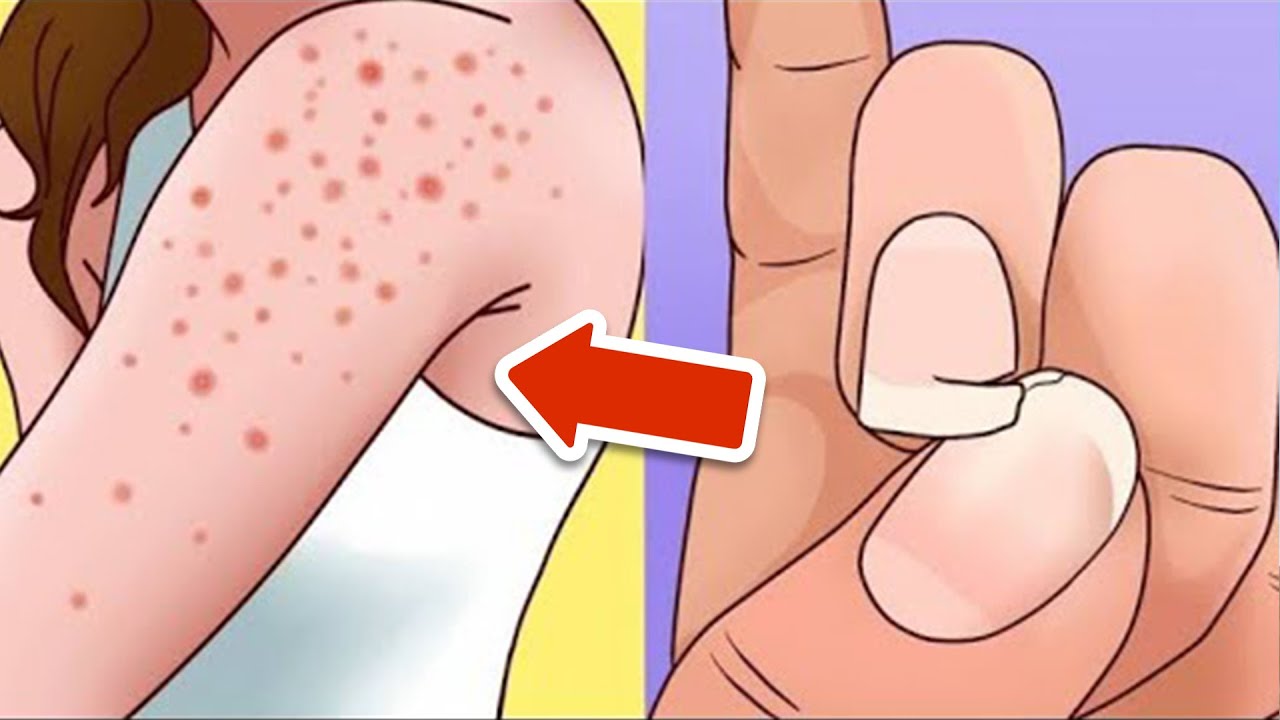
3. Skin Problems
Skin issues such as rashes or eczema may also indicate gluten intolerance. It’s essential to monitor your skin condition after consuming gluten-containing foods.
Understanding the Symptoms
Now that we’ve covered the symptoms, it’s important to delve deeper into understanding what might be causing these responses.
1. How Gluten Affects Your Body
When consumed, gluten can trigger an inflammatory response in sensitive individuals. This can lead to discomfort and other systemic issues.
2. Timing of Symptoms
Symptoms often occur within hours or days after eating gluten. Keeping a food diary can help you determine if your symptoms correlate with gluten ingestion.
3. The Role of Genetics
Genetics can play a role in gluten intolerance. If you have family members with celiac disease or gluten sensitivity, your likelihood of experiencing similar issues may increase.
Mistakes to Avoid
When navigating gluten intolerance, some common mistakes can hinder your progress. Here are key pitfalls to watch out for:
1. Underestimating Symptoms
If you ignore mild symptoms or assume they are unrelated to gluten, your condition can worsen over time.
2. Not Reading Labels Carefully
Many processed foods contain hidden gluten. Always check ingredient labels, as gluten can be present in sauces, dressings, and other unexpected items.
3. Skipping Professional Guidance
Trying to self-diagnose can lead to confusion. Consulting a healthcare professional ensures you receive a tailored approach to managing your symptoms.
FAQ
What are the common symptoms of gluten intolerance?
Common symptoms include digestive issues like bloating, fatigue, headaches, and skin problems. Each person may experience a unique mix of symptoms.
How can I diagnose gluten intolerance?
Diagnosis often involves an elimination diet, followed by a supervised reintroduction of gluten to observe symptoms. Consulting with health professionals is advisable.
Can gluten intolerance come suddenly?
Yes, it can develop at any age, often after significant life events, such as pregnancy or an illness. Staying vigilant to your body’s reactions is key.
Conclusion
Recognizing the 8 warning signs of gluten intolerance is crucial for your well-being. Being mindful of your body’s reactions can lead to healthier dietary choices and improved quality of life. What symptoms have you noticed that made you consider gluten intolerance? Feel free to share your thoughts in the comments below.