
7 Silent Stroke Symptoms Everyone Ignores with Serious Consequences
7 Silent Stroke Symptoms You Should Never Ignore
While you may think you can easily identify a stroke, some of its signs can be subtle and easily overlooked. Perhaps you’ve felt unusual fatigue, experienced minor headaches, or noticed slight changes in your vision without giving them a second thought. These seemingly harmless symptoms could indicate a serious health issue. Understanding these silent signs can make all the difference in your health and safety. Read on to learn more about these symptoms that deserve your attention.
Understanding Strokes
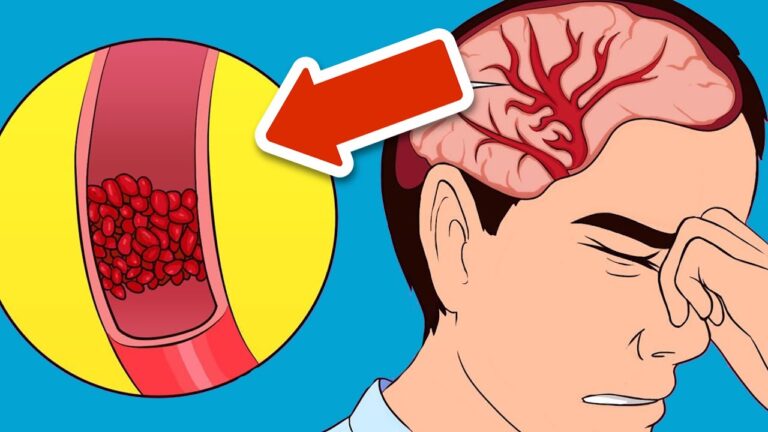
A stroke occurs when blood flow to a part of the brain is interrupted, leading to potential brain damage. Recognizing the triggers and symptoms is essential for prevention and timely response. Here’s what you should know:
1. Types of Strokes
There are two main types of strokes: ischemic, which is caused by a blockage, and hemorrhagic, which occurs when a blood vessel bursts. Both types can have similar symptoms, but understanding them is crucial for your safety.
2. Risk Factors
- High blood pressure
- High cholesterol levels
- Diabetes
- Smoking
- Obesity
Common Silent Symptoms
Identifying silent stroke symptoms can play a pivotal role in your overall health. Here are some of the symptoms you might be experiencing:
1. Unexplained Fatigue
Feeling unusually tired? This often-dismissed symptom can signal a stroke. If fatigue persists without a clear reason, consult your healthcare provider.
2. Minor Headaches
A headache may seem trivial, but if it’s accompanied by other symptoms, it could indicate a larger issue. Pay attention to the intensity and frequency of your headaches.
3. Vision Changes
Blurred vision, difficulty seeing in one or both eyes, or sudden vision loss might seem innocuous. However, these symptoms often serve as warnings for a potential stroke.
Why Symptoms Are Often Ignored
Understanding why these silent symptoms go unnoticed can help you pay better attention to your body. Here are some reasons:
1. Misattribution
Symptoms like fatigue and headaches are frequently blamed on stress or lack of sleep, leading many to overlook their potential severity.
2. Lack of Awareness
Many people are simply unaware of what constitutes silent symptoms of a stroke. Educating yourself can be your best ally in prevention.
3. Denial
Sometimes, individuals may fear what they might discover and choose to dismiss symptoms until they become serious. This mindset can be detrimental to health.
Mistakes to Avoid
Being informed about potential pitfalls is crucial. Here are some common mistakes people make regarding stroke symptoms:
1. Ignoring Persistent Symptoms
Many people ignore symptoms that persist for days, thinking they will resolve on their own. Persistent symptoms require attention.
2. Relying on Home Remedies
Some might turn to home remedies or over-the-counter treatments for headaches or fatigue. While they may provide temporary relief, they shouldn’t replace professional evaluation.
3. Delaying Doctor Visits
Procrastinating on scheduling a doctor’s appointment when symptoms are present can worsen the situation. Timely evaluations are key.
FAQ
Q: What should I do if I experience stroke symptoms?
A: Seek immediate medical attention. Time is crucial when it comes to strokes.
Q: Can silent symptoms lead to major strokes?
A: Yes, ignoring silent symptoms can lead to larger strokes or other serious health complications.
Q: Are there preventative measures I can take?
A: Maintaining a healthy lifestyle, being aware of your risk factors, and regular health check-ups are essential preventative steps.
Being vigilant about your health can save your life. Recognizing silent stroke symptoms may very well be the key to a timely response and better outcomes. Have you or someone you know experienced any of these symptoms? Share your thoughts in the comments below.