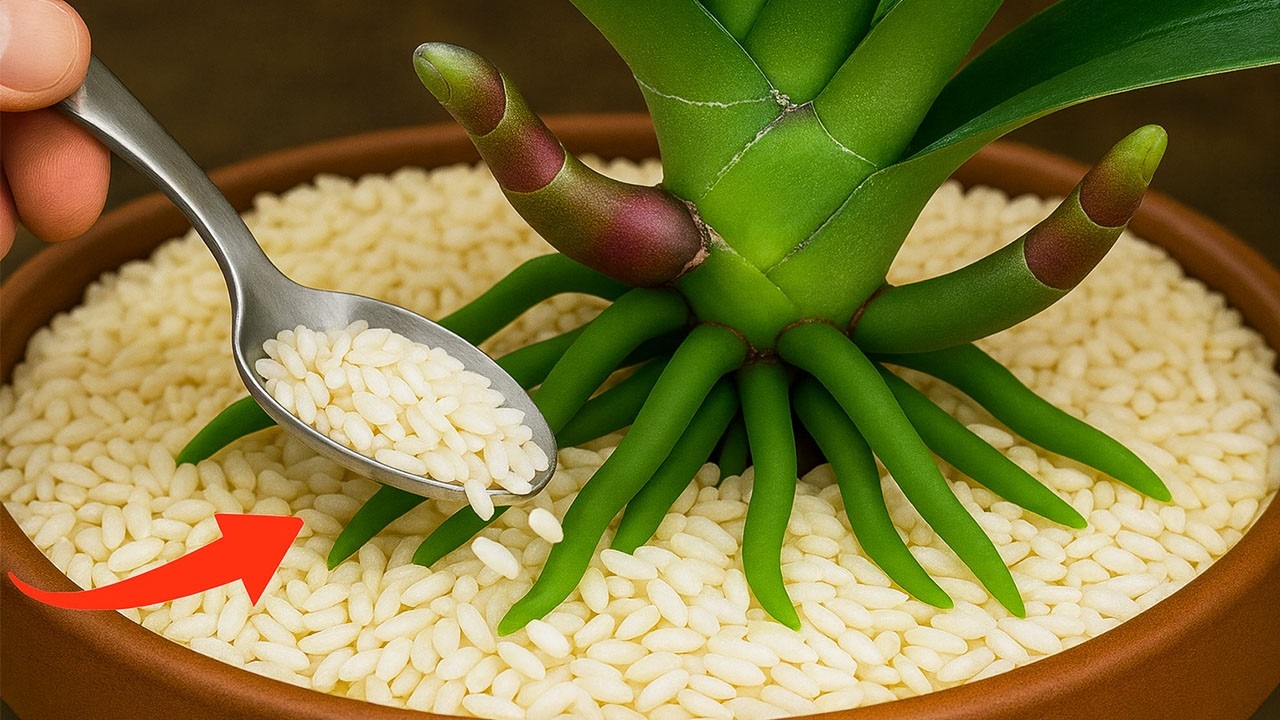
Unlock 7 Secrets to Make Your Flowerless Orchids Bloom Like Crazy!
Unlock the Secrets to Make Your Flowerless Orchids Bloom
- Understanding Orchid Needs
- Proper Lighting for Orchids
- Creating Optimal Humidity
- Correct Feeding Techniques
- Common Mistakes to Avoid
- FAQ
Have you noticed your beloved orchids sitting quietly, their vibrant blooms seemingly missing? Instead of the usual display of color, they appear to be dormant, and you’re left wondering what went wrong. You’re not alone in this experience; many orchid enthusiasts face challenges in getting their plants to bloom again. Understanding your orchids’ specific needs and addressing them properly can help revive those flowerless beauties. Continue reading to discover how you can transform your orchids into a radiant display.
Understanding Orchid Needs
To cultivate healthy blooms, it’s essential to grasp what your orchids crave. Different species might have varying requirements, but a few fundamental needs are pivotal.
Watering Habits
Orchids typically prefer their roots to dry out a bit between waterings. Here are some tips:
- Check the potting material; bark-based mixes can retain moisture longer.
- Water early in the morning to allow any excess to evaporate during the day.
- Avoid letting them sit in water, as this can lead to root rot.
Temperature Preferences
Finding the right temperature range is crucial. Generally, most orchids thrive in:
- Daytime temperatures of 70-85°F (21-29°C).
- Nighttime temperatures of 60-70°F (15-21°C).
Proper Lighting for Orchids
Light is another vital factor that influences orchid blooming. Knowing how much light your orchids need can make a significant difference in their growth.
Choosing the Right Spot
Generally, orchids prefer bright, indirect sunlight. Here’s how to ensure they receive the right amount:
- Place them near a window with filtered light.
- Rotate the pot occasionally for even growth.
- Avoid direct sun, which can scorch their leaves.
Artificial Lighting
If natural light is insufficient, consider using grow lights:
- Fluorescent lights can work well and should be placed about 12-24 inches above the plants.
- LED grow lights are efficient and have the added benefit of low heat emission.
Creating Optimal Humidity
Orchids often thrive in humidity levels of 40-70%. Here are some ways to maintain suitable humidity:
Using Humidity Trays
A humidity tray filled with water and pebbles can help maintain moisture around your orchids.
Regular Mistings
Mist your orchids with water regularly, especially in dry seasons. Remember:
- Avoid misting during nighttime, as this can lead to fungal issues.
- Use distilled water to avoid mineral deposits.
Correct Feeding Techniques
Proper nutrition plays a key role in encouraging orchid blooms. Understanding when and how to feed is essential:
Choosing Fertilizers
Use a balanced orchid fertilizer during the growing season, typically diluted to half strength. Here are some tips:
- Feed every 2-4 weeks during active growth.
- Reduce feeding during the dormancy period in winter.
Signs of Nutrient Deficiency
Look for signs that your orchids might need more nutrients, such as:
- Yellowing leaves indicating a nitrogen deficiency.
- Poor growth, signaling a lack of phosphorous.
Common Mistakes to Avoid
Even seasoned orchid caretakers can make missteps. Here are some common mistakes that can hinder blooming:
Overwatering
Too much water can suffocate roots and cause rot, leading to a lack of blooms.
Ignoring Repotting Needs
Orchids should be repotted every 1-2 years to refresh their growing medium. Using old, breakdown potting materials can stifle growth.
Neglecting Pest Control
Regularly check your orchids for pests. Aphids and scale can stress your plants, hindering their ability to bloom.
FAQ
What causes orchids not to bloom?
Orchids may struggle to bloom due to factors like insufficient light, improper watering, and nutrient deficiencies.
How often should I water my orchids?
Water your orchids once a week, allowing the top inch of potting media to dry out between waterings.
Can orchids bloom more than once a year?
Yes, some orchid species, especially Phalaenopsis, can bloom multiple times a year when well-cared for.
In summary, understanding the specific needs of your orchids is vital to encourage blooming. By managing watering habits, providing appropriate lighting, and ensuring proper humidity and nutrition, you can foster the flourishing blooms you desire. What tips have you found helpful in getting your orchids to thrive? Feel free to share in the comments!