8 Packing Tape Hacks You Need to Know for an Easier Life!
8 Packing Tape Hacks for a More Organized Life
- Introduction
- Creative Uses for Packing Tape
- Organizing Tips with Packing Tape
- Repair Uses for Packing Tape
- Safety Tips for Using Packing Tape
- Common Mistakes
- FAQ
- Conclusion
Introduction
When facing a chaotic space filled with loose items, you might feel overwhelmed about how to bring order to your environment. Everyday items, such as packing tape, can be surprisingly effective in transforming clutter into well-organized systems. From securing loose cables to creating labels, packing tape can serve multiple purposes that enhance your home and workspace. Keep reading to discover practical hacks that can change the way you think about this simple adhesive tool.
Creative Uses for Packing Tape
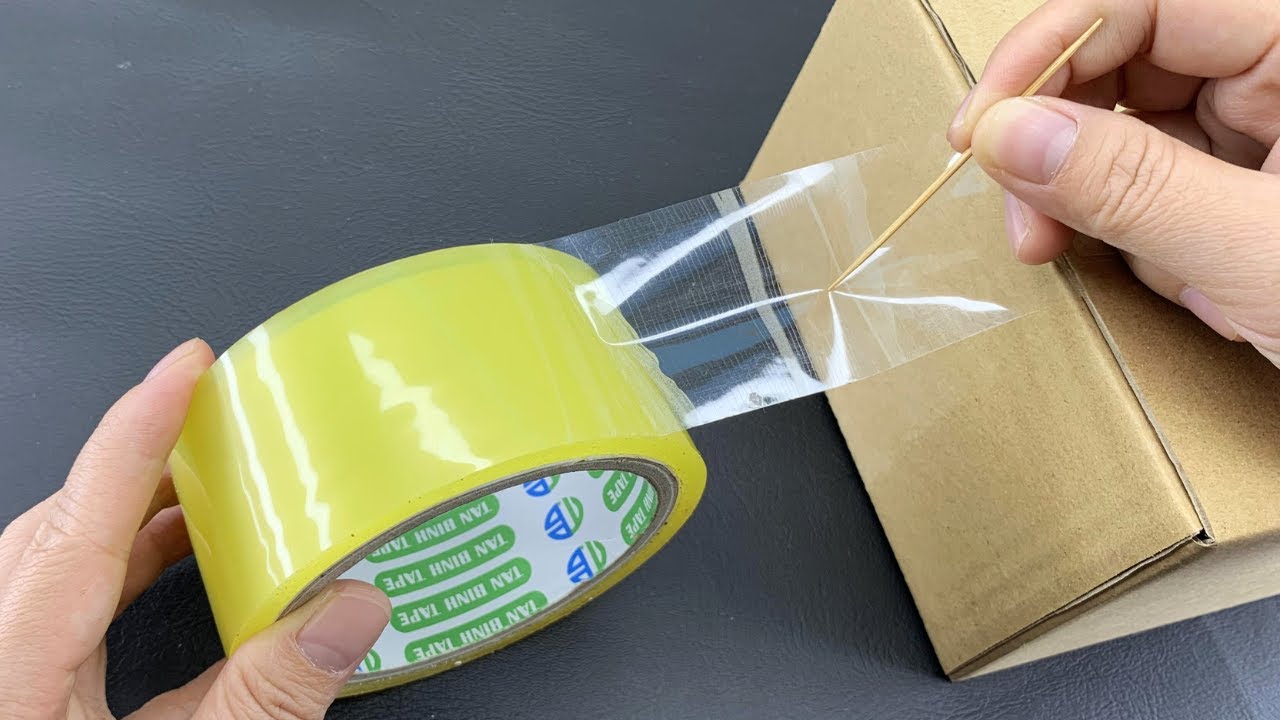
Packing tape isn’t just for sealing boxes. Here are some innovative ways you can use it around the house:
- 1. Create a makeshift lint roller: Wrap a piece of packing tape around your hand, sticky side out, to easily pick up lint, hair, and dust from clothes and furniture.
- 2. Design custom labels: Cut small pieces of packing tape and write on them with a permanent marker to create labels for your bins and boxes.
- 3. Preserve delicate items: Use packing tape to encase fragile items like ornaments or small trinkets for safe storage.
Variations for Labeling
For a more polished look, consider using colored packing tape or patterns to make your labels stand out. You can also use a label maker and adhere the labels directly onto the tape for a cleaner finish.
Personalizing Storage
Don’t forget to get creative! Use washi tape over packing tape for a decorative touch to your labeling system. It combines function with flair, making organization feel more personal.
Organizing Tips with Packing Tape
Utilizing packing tape for organization not only saves space but keeps things easily accessible. Here are some effective tips:
- 1. Bundle cords and cables: Secure cords with packing tape to prevent tangling. Group similar cords together for easier access.
- 2. Attach small items together: Use tape to bundle small items like batteries or screws, preventing them from disappearing in drawers.
- 3. Secure loose wallpaper or fabric: Use packing tape to temporarily hold wallpaper in place while you adjust it or choose your fabric samples.
Creating a Cables Station
Dedicate a drawer or a box for your cords. Use packing tape to label each cable’s use, making it simple to find what you need when you need it.
Drawer Organization
Designate small amounts of space in your drawers for commonly used items. Packing tape can be a simple way to organize these spaces without the need for complicated systems.
Repair Uses for Packing Tape
Packing tape can help fix minor household issues without needing tools or complicated methods:
- 1. Repair torn books: Use packing tape on the spine and pages of books that have seen better days.
- 2. Seal broken windows temporarily: In case of a break, use packing tape to cover cracks and secure glass until a more permanent fix can be done.
- 3. Patch up torn clothing: For quick fixes on fabric, stick packing tape on the inside of torn items to keep them together until you can sew properly.
Long-term Solutions
While packing tape can offer quick fixes, it’s best to look for permanent solutions whenever possible. For example, reinforce your book spines with proper book tape for a lasting repair.
Safety Precautions
Always take care using packing tape on items that could be sensitive or valuable. Avoid applying it in high-temperature areas, as it could damage surfaces or create a mess.
Safety Tips for Using Packing Tape
While packing tape is a handy tool, consider these important safety tips for effective use:
- 1. Keep away from heat: Avoid placing packing tape on surfaces exposed to high heat to prevent adhesive breakdown.
- 2. Be cautious with delicate surfaces: Test tape on a small area first to ensure it won’t cause damage.
- 3. Store properly: Keep your packing tape away from sunlight and extreme temperatures to maintain its stickiness.
Inspecting Storage Conditions
When storing packing tape, ensure it remains in a cool, dry place for optimal performance. Avoid damp or humid areas that can degrade adhesive quality.
Handling Tape Safely
Use scissors, not your teeth, to cut packing tape to avoid damaging the tape or injuring yourself.
Common Mistakes
It’s easy to overlook the best practices when using packing tape. Here are some common mistakes to avoid:
- 1. Using it on textured surfaces: Many people use packing tape on textured surfaces, which can lead to poor adhesion and peeling.
- 2. Ignoring expiration: Tape can lose its stickiness over time; check the condition before using.
- 3. Not measuring: Failing to measure the length needed can result in wasted tape; be mindful of how much you need before cutting.
FAQ
What is the best way to remove packing tape residue?
To remove packing tape residue, apply a small amount of rubbing alcohol or adhesive remover on a cloth and gently scrub the area.
Can I use packing tape for outdoor projects?
While packing tape can withstand some moisture, it’s best for indoor use as extended exposure to the elements can reduce its effectiveness.
Is packing tape safe for children’s crafts?
Packing tape can be used for children’s crafts, but make sure to supervise them to avoid potential accidents with the tape or its sharp edges.
Conclusion
Packing tape is more than just a sealing tool; it’s a versatile item that can simplify your life in various ways. Whether for organizing, minor repairs, or creative uses, its applications are truly helpful. What unique ways have you found to use packing tape around your home? Share your ideas in the comments!