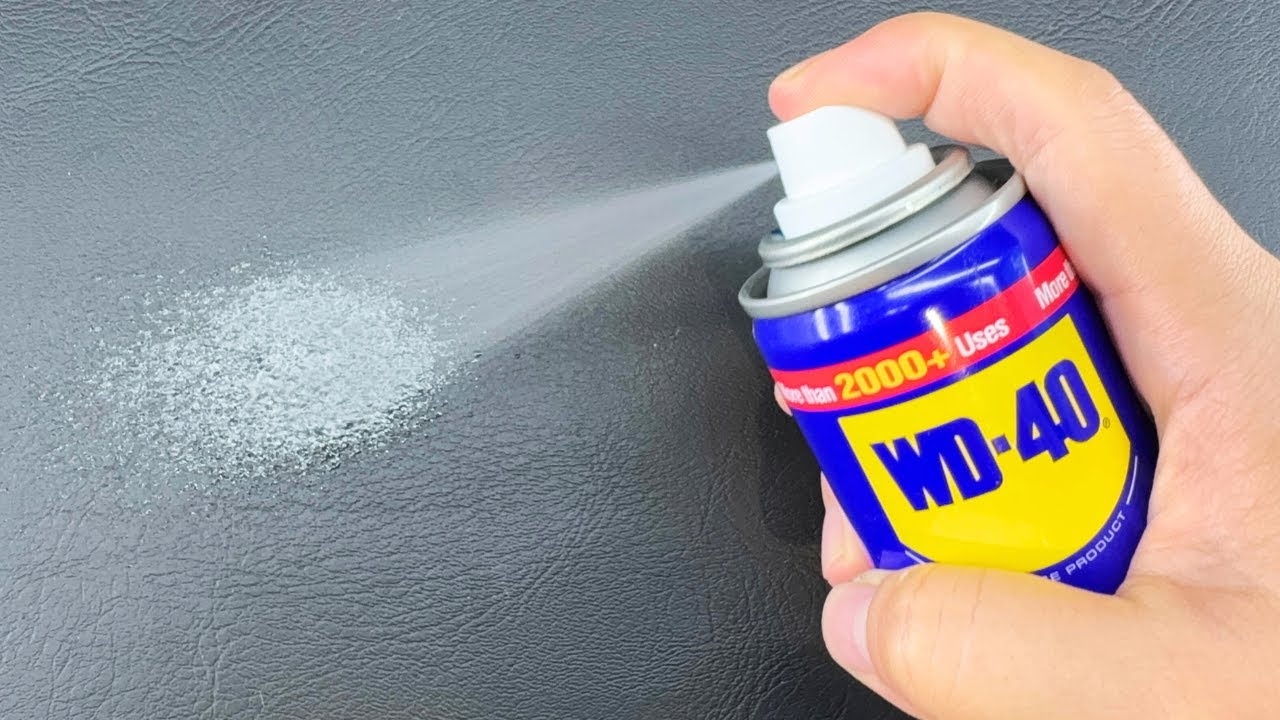
10 Amazing WD-40 Tricks You Need to Try for Home and DIY Projects
10 Practical WD-40 Tricks for Your Home and DIY Projects
Introduction
Picture this: you’re tackling a home project, but stubborn rust, grime, or squeaky hinges are getting in your way. You may have WD-40 sitting in your garage or utility drawer, but do you know all the ways it can make your life easier? This handy product can help with more than just lubricating tools; it can be a game-changer for various home tasks. Discover how you can effectively incorporate WD-40 into your routine to streamline those pesky projects.
Cleaning Hacks
WD-40 isn’t just for mechanics; it can be your best friend for household cleaning. Here are some effective ways to utilize it in your cleaning regimen.
1. Remove Stubborn Stickers
- Spray WD-40 directly on the sticker or residue.
- Let it sit for about 10 minutes to penetrate.
- Wipe away with a soft cloth or sponge.
2. Clean Bathroom Fixtures
- Apply WD-40 to faucets and showerheads to eliminate hard water stains.
- Use a soft cloth to buff them until they shine.
Home Repairs
From squeaky doors to rusted tools, WD-40 serves multiple functions when it comes to home repairs. Here are some ideas.
1. Fix Squeaky Hinges
- Spray WD-40 on the hinge area of the door.
- Open and close the door several times to work it in.
2. Protect Against Rust
- Apply WD-40 on metal surfaces to shield them from moisture and corrosion.
- This works well for garden tools and outdoor furniture.
Creativity in DIY
Let’s not forget the creative potential of WD-40 in your DIY projects. Here are some inspiring ideas to elevate your crafting game.
1. Enhance Your Gardening Tools
- Spray a light coating of WD-40 on your garden tools.
- This helps prevent rust and keeps them in great condition for longer.
2. DIY Stencil Cleaner
- Apply WD-40 on stencils used for painting to keep them clean.
- Wipe away any excess paint easily, making reuse a breeze.
Mistakes to Avoid
Though WD-40 is versatile, some common mistakes can lessen its effectiveness or result in damage. Here are a few to keep in mind.
1. Using Too Much Product
Applying excessive WD-40 can lead to buildup, making it hard to clean surfaces later. A little goes a long way.
2. Failing to Test Surfaces
Always test WD-40 on a small area, especially on painted or treated surfaces, to avoid damage.
3. Ignoring Safety Precautions
Ensure that you’re working in a well-ventilated area since the fumes can be strong. Wearing gloves will also protect your skin.
FAQ
Can I use WD-40 on plastic surfaces?
Not recommended. It can damage plastics, so always check the label and do a small test first.
Is WD-40 safe to use indoors?
Yes, as long as you ensure good ventilation. Always follow the safety instructions on the can.
What shouldn’t I use WD-40 for?
Avoid using it on electrical components, as it can cause short-circuits.
Conclusion
With creative and practical uses, WD-40 can simplify your home projects and cleaning tasks. Consider how you can incorporate these tricks into your own routine. What unique ways have you found to use WD-40? Share your thoughts in the comments!