5 Foods Destroying Your Testosterone Without You Knowing – Find Out Now!
5 Foods That Could Be Impacting Your Testosterone Levels
- Introduction
- Common Foods to Watch Out For
- How These Foods Affect Testosterone
- Tips for a Healthier Diet
- Mistakes to Avoid
- FAQs
- Conclusion
Introduction
Have you ever felt unusually fatigued or low on energy, even after a good night’s sleep? Your diet might be playing a crucial role in how you feel. Certain foods can undermine your body’s natural hormone balance, particularly testosterone levels. This can have a significant impact on your overall well-being. It’s essential to identify these common culprits lurking in your meals, so you’re not caught off guard. Read on to learn more about these foods and how they may be affecting you.
Common Foods to Watch Out For
When it comes to maintaining healthy testosterone levels, being mindful of your diet is vital. Here are five foods that may be more damaging than you realize:
- Soy Products: Commonly found in vegetarian and vegan diets, soy is often touted for its health benefits. However, it contains phytoestrogens, which can mimic estrogen in your body and potentially decrease testosterone.
- Processed Foods: You might enjoy convenience, but many processed foods are high in unhealthy fats, sugars, and additives. These components lead to weight gain, which can adversely affect hormone balance.
- Mint: Surprisingly, mint can lower testosterone levels when consumed in large quantities. While it adds freshness to drinks and dishes, moderation is key.
- Flaxseeds: Similar to soy products, flaxseeds contain phytoestrogens. Though often considered a superfood, consuming them excessively can disrupt hormonal balance.
- Dairy Products: Full-fat dairy contains high levels of saturated fats, which might contribute to lower testosterone levels. Opting for low-fat or plant-based alternatives can be a better choice.
How These Foods Affect Testosterone
Understanding how these foods impact your testosterone levels can help you make more informed dietary choices. Here are some insights:
1. The Role of Phytoestrogens
Phytoestrogens mimic estrogen due to their chemical structure. When consumed, they can compete with your body’s natural hormones, leading to a decline in testosterone levels over time. This is particularly concerning for those consuming large amounts of soy or flaxseeds.
2. Weight Gain and Hormone Balance
High-calorie processed foods often lead to weight gain, which can cause hormonal imbalances. Excess body fat produces estrogen, further inhibiting testosterone production. A balanced diet helps maintain a healthy weight, supporting hormone health.
3. Hormones in Animal Products
Some dairy products contain added hormones that may disrupt your own hormonal profile. Choosing hormone-free options or reducing dairy intake altogether can mitigate these effects.
Tips for a Healthier Diet
Switching to a diet that supports healthy testosterone levels is easier than you think. Here are some practical tips:
1. Focus on Whole Foods
- Choose organic vegetables and fruits that are fresh and free from pesticides.
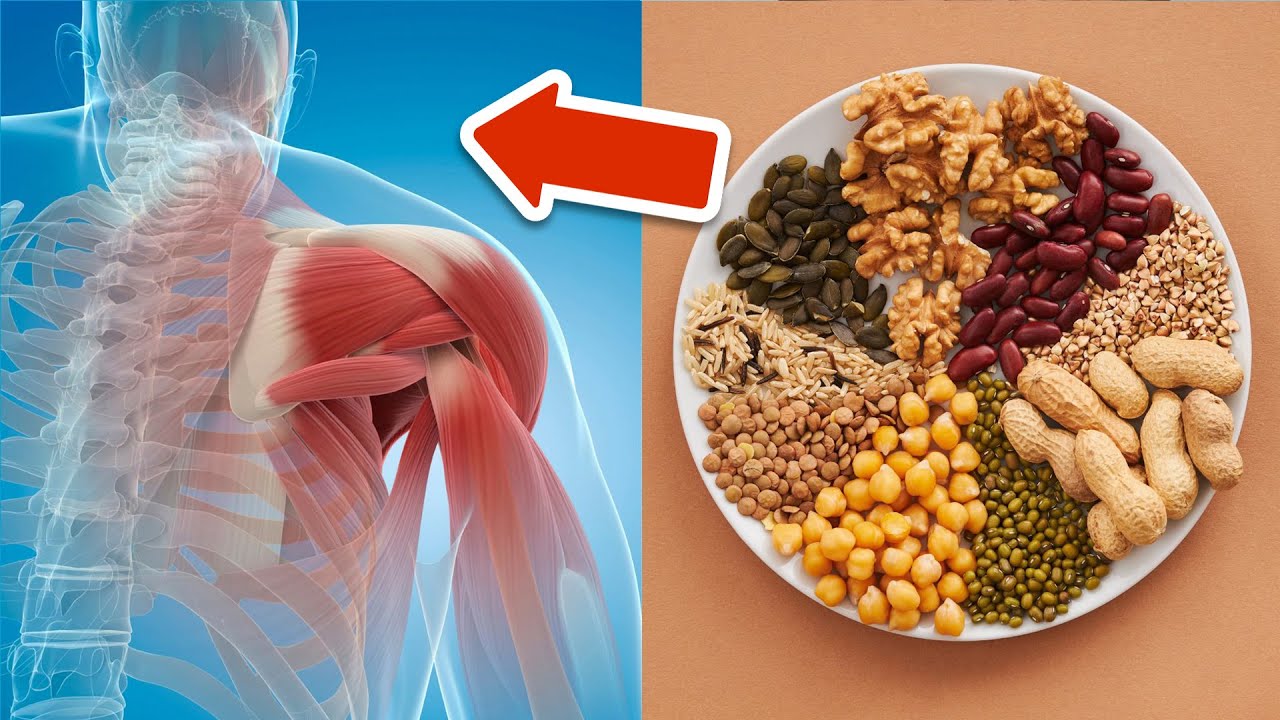
- Incorporate lean proteins such as chicken, turkey, and legumes.
2. Monitor Your Fats
Healthy fats from sources like avocados, nuts, and olive oil can support hormone production. Avoid trans and hydrogenated fats found in many processed foods.
3. Stay Hydrated
Drinking plenty of water is crucial. It helps in various bodily functions, including hormone regulation. Aim for at least eight glasses of water a day.
Mistakes to Avoid
Maintaining healthy testosterone levels requires awareness. Here are some specific mistakes to watch for:
- Not reading labels on processed foods for hidden sugars and unhealthy fats.
- Overconsuming soy and flaxseeds without considering alternatives.
- Ignoring the effects of weight gain from high-calorie diets on hormone levels.
- Failing to balance protein sources, limiting your diet to only animal products.
- Not incorporating enough vegetables, which provide essential nutrients.
FAQs
What foods boost testosterone levels?
Foods rich in zinc, vitamin D, and lean proteins, such as eggs, nuts, and leafy greens, can help enhance testosterone levels naturally.
Can exercise help increase testosterone?
Yes, regular strength training and high-intensity interval training (HIIT) can significantly boost testosterone levels over time.
How often should I check my hormone levels?
It’s advisable to monitor hormone levels annually through your healthcare provider, especially if you’re experiencing symptoms related to hormone imbalance.
Conclusion
Being mindful of your diet can play a significant role in maintaining healthy testosterone levels. By avoiding specific foods and embracing whole, nutrient-rich alternatives, you can support your hormonal balance effectively. What dietary changes are you considering to support your well-being?