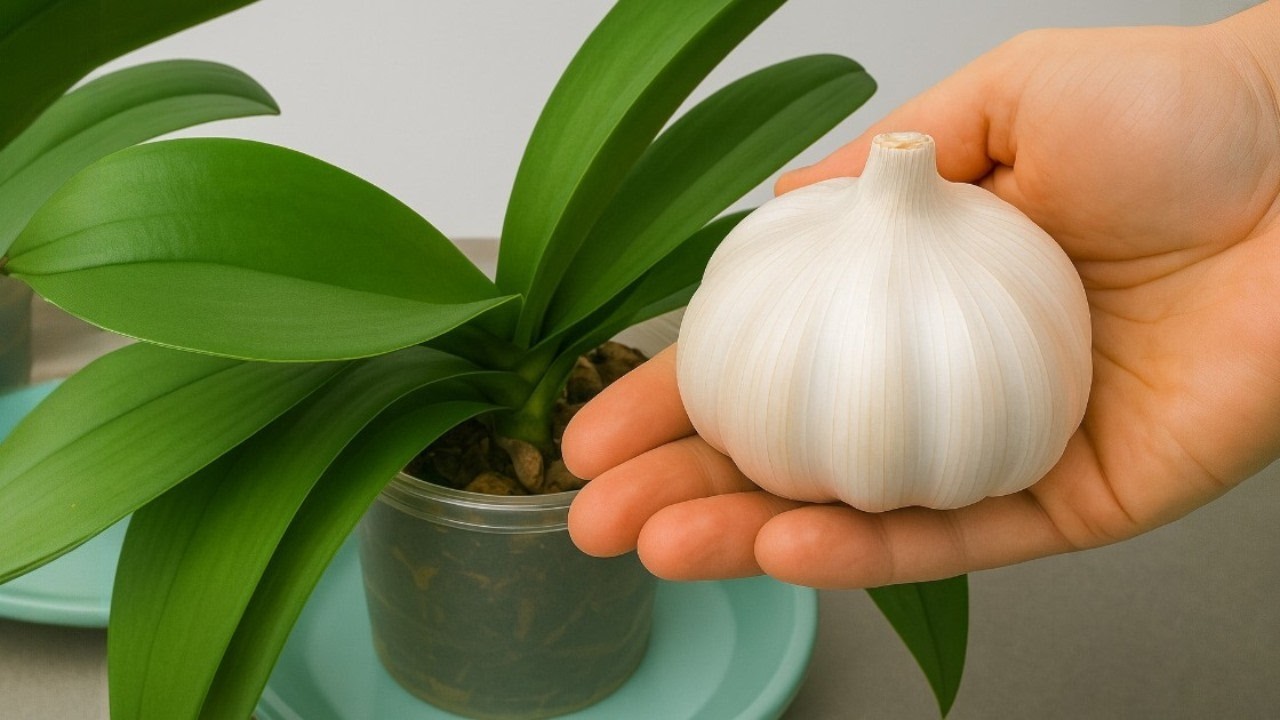
Revive Your Orchids: 5 Simple Tips for Year-Round Blooms!
Revive Your Orchids: 5 Simple Tips for Year-Round Blooms
- Understanding Orchid Needs
- Optimal Lighting for Orchids
- Proper Watering Techniques
- Common Mistakes to Avoid
- Maintaining Healthy Orchids
Understanding Orchid Needs
Owning orchids can be a rewarding yet challenging experience. Perhaps you’ve noticed your orchid isn’t blooming as beautifully as you’d like, or maybe it’s lost its blossoms altogether. These delicate plants require specific conditions to thrive, and understanding their needs is the first step in reviving them. Let’s explore what makes these beautiful flowers tick, and how you can ensure they return to their blooming glory.
Water Requirements
Orchids have unique water needs compared to other houseplants. They thrive in a well-drained environment and generally prefer being watered less frequently than most plants.
- Water when the top inch of the potting medium feels dry.
- Avoid letting them sit in water to prevent root rot.
Nutritional Needs
Fertilizing your orchids properly can boost their health and blooming potential. Regular feeding encourages strong root systems and vibrant blooms.
- Use a balanced orchid fertilizer every two to four weeks during the growing season.
- Reduce feeding during the dormant winter months.
Optimal Lighting for Orchids
Light is a crucial component for healthy orchids and stimulates blooming cycles. Too little light can hinder blooming, while too much can scorch the leaves. Positioning your orchids correctly can make all the difference.
Identifying Light Needs
Different orchid varieties have varying light requirements. Generally, on a scale of 1 to 10, most orchids thrive in a light range of 6 to 8.
- Identify your orchid type to determine its specific light needs.
- Place orchids near a window with bright, indirect sunlight.
- Rotate your orchids every few weeks to ensure even growth.
Signs of Improper Lighting
Watch for signs that your orchids may not be receiving the right amount of light.
- Yellowing leaves can indicate too much light.
- Pale or leggy growth may mean they need more light.
Proper Watering Techniques
Watering your orchids properly is vital for their overall health. Many owners struggle with getting this balance just right. Here are some techniques to help you keep your orchids hydrated without drowning their roots.
Testing Soil Moisture
Before watering, always check the moisture level in the potting medium.
- Poke your finger into the soil; if it’s dry up to your first knuckle, it’s time to water.
- Use a moisture meter for accurate readings.
Effective Watering Methods
Switching up your watering technique can enhance your orchids’ health.
- Consider soaking method: submerge the pot in water for about 15 minutes.
- Drip irrigation is also effective if you’re away for extended periods.
Common Mistakes to Avoid
Even the most dedicated orchid owners can make mistakes. Here are some common pitfalls to avoid in your quest for healthy blooms.
- Overwatering: This can lead to root rot, a common issue that affects many orchids.
- Neglecting Repotting: Orchids should be repotted every 1-2 years for optimal health.
- Ignoring Pests: Keep an eye out for aphids and mealybugs that can damage your plants.
Maintaining Healthy Orchids
After you’ve successfully revived your orchids, maintaining their health is essential for continued blooming. Here are a few practical tips to keep your orchids flourishing year-round.
Create a Routine
Establish a consistent care routine that will ensure your orchids receive everything they need.
- Schedule regular watering and fertilizing times.
- Monitor and adjust their light exposure seasonally.
Regular Inspection
Routine checks can catch issues early, saving your orchids from stress.
- Inspect leaves and roots regularly to spot pests or signs of disease.
- Remove dead leaves and spent flowers to promote new growth.
FAQ
How often should I water my orchids?
Watering frequency depends on the type of orchid and environmental conditions, but generally, water when the top inch of the potting medium is dry. This may be every 5 to 12 days.
Why isn’t my orchid blooming?
Common reasons include inadequate light, improper watering, or no fertilization. Assess these factors to encourage blooming again.
What is the best fertilizer for orchids?
A balanced orchid fertilizer or a specific blend designed for orchids is ideal, usually applied every 2-4 weeks during the growing season.
Conclusion
By understanding your orchids’ needs, ensuring optimal lighting and water techniques, and avoiding common mistakes, you can enjoy beautiful blooms year-round. Have you found specific strategies that help your orchids thrive? Share your experiences in the comments!