5 Signs of Liver Cirrhosis You Must Never Ignore to Stay Healthy!
5 Warning Signs of Liver Cirrhosis You Must Never Ignore
- Understanding Liver Cirrhosis
- Common Signs to Look Out For
- Early Symptoms of Liver Cirrhosis
- Long-Term Signs of Liver Damage
- Mistakes to Avoid When Recognizing Symptoms
- FAQ
Understanding Liver Cirrhosis
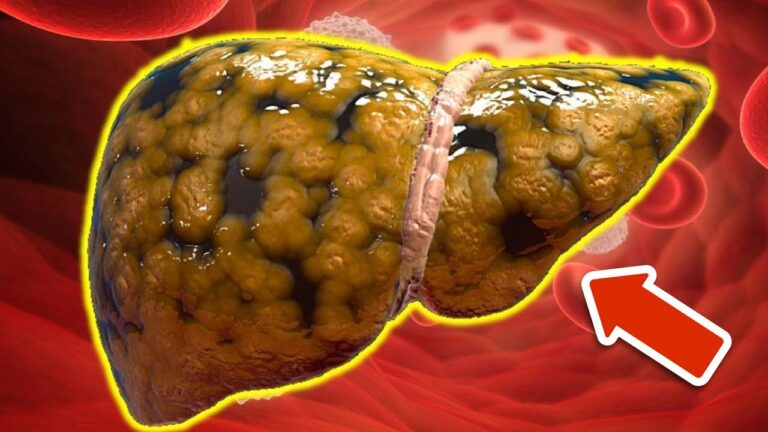
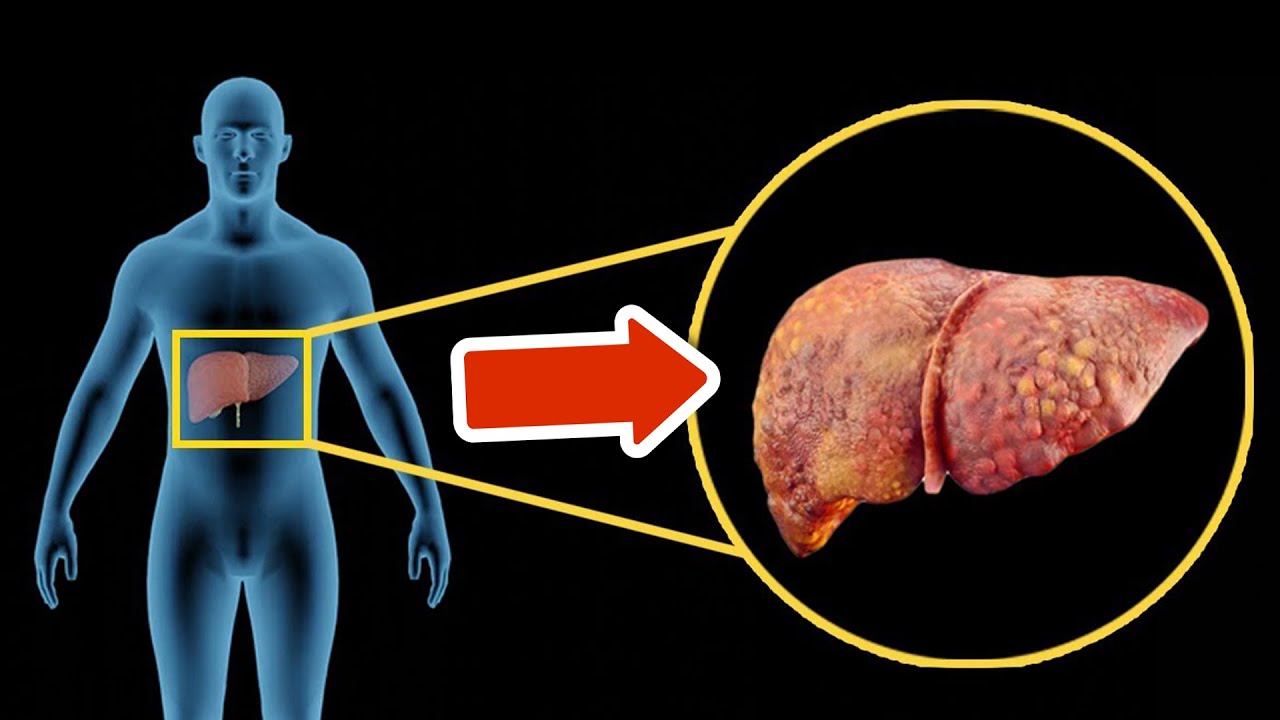
Liver cirrhosis can often come without clear warning, quietly compromising your health while you might feel completely fine. This condition results from long-standing liver damage, which can stem from various causes, including chronic alcohol consumption, viral hepatitis, and fatty liver disease. Understanding the signs of liver cirrhosis is crucial for early intervention and better health outcomes. Knowing what to look for could be a key factor in addressing potential issues. Continue reading to learn more about the warning signs you should never ignore.
Common Signs to Look Out For
Recognizing the early signs can help you seek medical advice before your condition worsens. Here are a few key symptoms that may indicate liver cirrhosis:
1. Jaundice
One of the most noticeable signs is jaundice, which involves a yellowing of the skin and eyes. This occurs when the liver fails to process bilirubin effectively, causing it to accumulate in your blood. If you notice this symptom, consult a healthcare professional.
2. Fatigue and Weakness
Feeling unusually tired or weak can also be indicative of liver issues. As the liver struggles to perform its functions, fatigue levels may rise, affecting your daily activities.
3. Swelling in the Abdomen and Legs
Another sign may be **swelling** in the abdomen (ascites) or legs (edema). This swelling can result from fluid buildup, which often signals liver dysfunction. It is important to monitor these changes closely.
Early Symptoms of Liver Cirrhosis
In the initial stages, you may encounter subtle symptoms that are often overlooked. Here are a few early indications:
1. Nausea and Loss of Appetite
If you frequently experience **nausea** or a sudden decline in appetite, it could be linked to liver issues. This may lead to unintentional weight loss, so make sure to keep track of any sudden changes.
2. Itchy Skin
Itchy skin, or pruritus, is another symptom that can surface due to bile salts accumulating under the skin. If you find yourself itching excessively, it might be worth discussing with your doctor.
3. Changes in Urination Color
Pale or dark urine can both be warning signs. Dark urine may indicate an increase in bilirubin levels due to liver problems. Make sure to monitor any unusual changes in the color of your urine.
Long-Term Signs of Liver Damage
If liver cirrhosis progresses without intervention, you may encounter more severe symptoms. It’s crucial to be vigilant at this stage:
1. Confusion or Mental Changes
Confusion, poor concentration, or other changes in mental clarity can signify liver issues. These symptoms may develop due to toxins building up in your body when the liver is not functioning optimally.
2. Bruising Easily
If you find that you bruise more easily than before, it could be another outward sign of liver issues. The liver produces proteins necessary for blood clotting, so any disruption in its function can impact your ability to heal from injuries.
3. Frequent Nosebleeds
Nosebleeds can also occur more easily when the liver is damaged. If you experience frequent nosebleeds without a clear reason, this may signal a potential liver problem that requires investigation.
Mistakes to Avoid When Recognizing Symptoms
Being aware of the signs is crucial, but it’s also important to avoid common misconceptions that might hinder your health. Here are some mistakes to avoid:
- Ignoring mild symptoms. Don’t dismiss minor signs like fatigue or occasional jaundice.
- Self-diagnosing. Always seek professional advice instead of relying on internet resources.
- Delaying medical attention. If you recognize any signs, make an appointment promptly rather than postponing it.
FAQ
What are the early signs of liver cirrhosis?
Early signs may include fatigue, loss of appetite, and nausea. Jaundice can also be an initial indicator.
How does liver cirrhosis develop?
Liver cirrhosis develops over time due to prolonged damage from various factors such as alcohol, hepatitis, or fatty liver disease.
Can liver cirrhosis be reversed?
In some cases, early-stage cirrhosis may be reversible, especially if the underlying cause is addressed. However, advanced cirrhosis often leads to irreversible liver damage.
Conclusion
Recognizing the signs of liver cirrhosis is essential for your health and well-being. By being attentive to symptoms such as jaundice, fatigue, and swelling, you can take appropriate action. Have you noticed any of these signs in yourself or someone you care about? Share your thoughts below.