
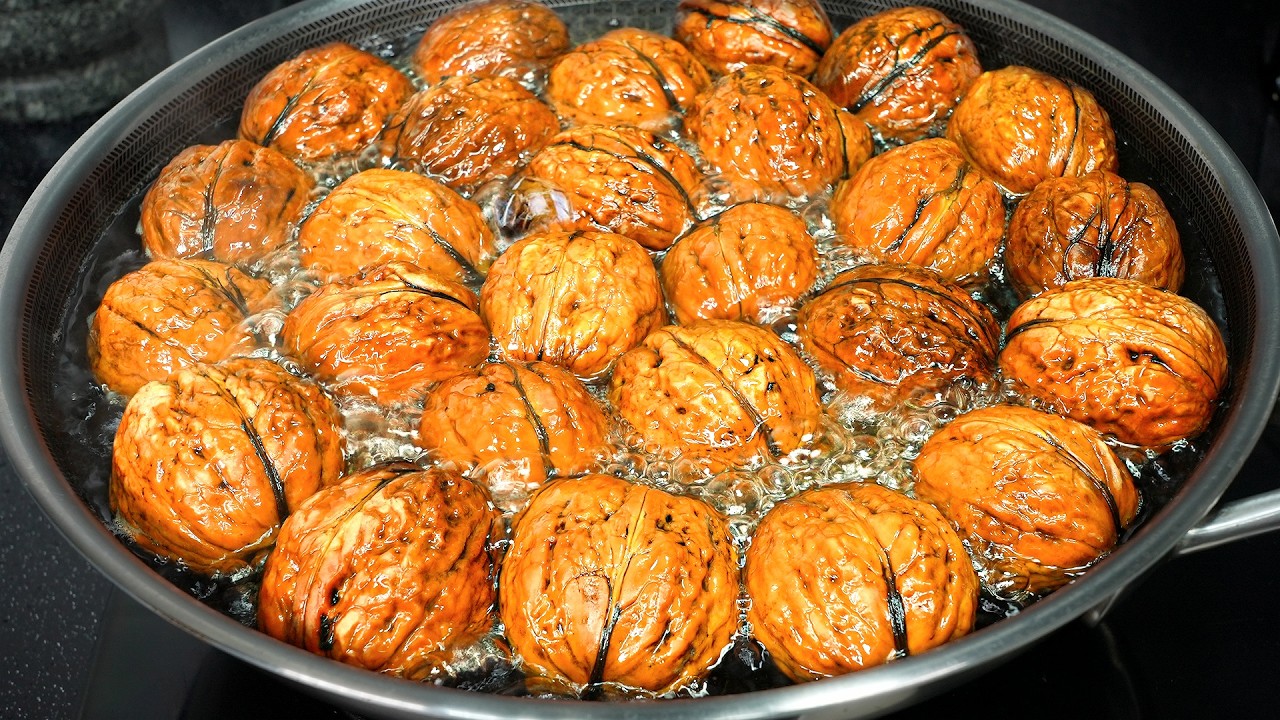
Try This 1-Minute Trick: Boil a Walnut for a Surprising Secret!
Unlock the Surprising Benefits of Boiling Walnuts
- Introduction
- Health Benefits
- Boiling Methods
- Cooking Uses for Boiled Walnuts
- Common Mistakes to Avoid
- FAQ
- Conclusion
Introduction
Have you ever found yourself with a batch of walnuts that seem to have lost their flavor or freshness? Perhaps you’re looking for a simple and effective way to enhance their taste and texture. Boiling walnuts might just be the solution you need. It’s a quick process that can bring out delightful flavors and improve the overall quality of this nutty delight. Let’s explore the surprising benefits and methods of boiling walnuts together.
Health Benefits
Walnuts are packed with nutrients and beneficial compounds. When you boil them, you unlock even more potential. Here’s how:
1. Enhanced Nutrient Absorption
Boiling walnuts can help remove some of the tannins and phytic acid, which may inhibit the absorption of nutrients. This way, your body can make the most of:
- Healthy fats that support heart health
- Antioxidants that fight oxidative stress
- Protein that aids in muscle recovery
2. Improved Digestibility
Raw walnuts can sometimes be tough on the digestive system. Boiling makes them softer and easier to digest, helping you to enjoy them more comfortably.
3. Heart Health Support
The boiling process helps enhance omega-3 fatty acids retention, which can contribute to better heart health. This is invaluable for maintaining overall wellness.
Boiling Methods
Boiling walnuts is a straightforward process that you can master with just a few simple steps. Here’s how to do it effectively:
1. Prepare Your Walnuts
- Choose fresh walnuts for boiling. Look for those with no signs of mold or rancidity.
- Rinse them under cold water to remove any debris.
2. The Boiling Process
- Fill a pot with water, ensuring there’s enough to cover the walnuts.
- Bring the water to a boil before adding your walnuts.
- Boil for 5-10 minutes, adjusting the time based on your taste preference. The longer they boil, the softer they become.
- Drain the walnuts and let them cool before using them.
3. Flavor Enhancement (Optional)
For added flavor, consider adding a pinch of salt or seasoning to the boiling water. This can amplify the nutty taste and make them even more enjoyable.
Cooking Uses for Boiled Walnuts
Once you’ve boiled your walnuts, you can utilize them in various ways:
1. Salad Toppings
Boiled walnuts make for a delightful addition to salads, providing both crunch and a burst of flavor. Try adding them to green salads or grain-based salads for extra texture.
2. Baking and Cooking
Use boiled walnuts in dishes like:
- Brownies for a nutty twist
- Homemade granola for added crunch
- Stuffed vegetables for a satisfying meal
3. Snacks
Simply enjoy boiled walnuts as a nutritious snack on their own! They’re perfect for a quick energy boost during your day.
Common Mistakes to Avoid
While boiling walnuts is straightforward, there are a few mistakes you should be mindful of:
1. Using Old Walnuts
Always select fresh walnuts; older ones may not yield the best results when boiled.
2. Over-Boiling
Boiling walnuts for too long can lead to a mushy texture. Keep an eye on them and taste for your preferred doneness.
3. Ignoring the Rinse
Failing to rinse walnuts before boiling can result in a gritty texture. Always rinse under cold water.
4. Skipping Cooling Time
Letting boiled walnuts cool before using them helps retain their texture and flavor. Don’t rush this step!
FAQ
Q: Can I boil walnuts with the shells on?
A: It’s best to remove the shells before boiling, as they can make it difficult for the water to penetrate and soften the nut.
Q: How long can boiled walnuts be stored?
A: Boiled walnuts can be stored in an airtight container in the refrigerator for up to a week.
Q: What other methods can I use to enhance walnuts?
A: Besides boiling, you can try roasting or soaking walnuts to improve flavor and texture.
Conclusion
Boiling walnuts not only enhances their flavor but also makes them easier to enjoy in various culinary creations. With the right techniques, you can elevate your dishes and benefit from their nutritious qualities. What are your favorite ways to incorporate walnuts into your meals? Share your thoughts in the comments below!