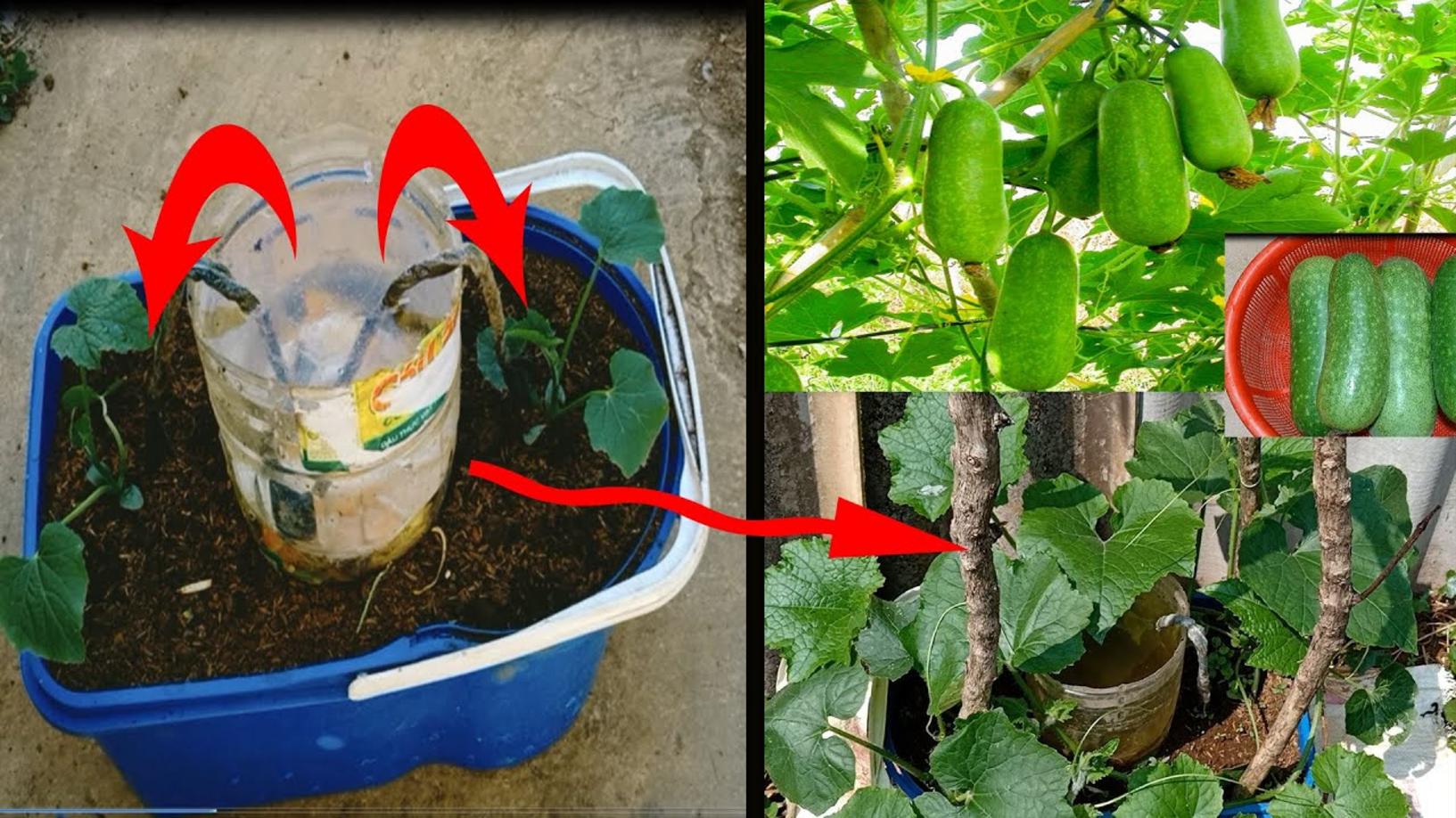
This simple method transforms plastic containers into squash-growing powerhouses…
This Simple Method Transforms Plastic Containers into Squash-Growing Powerhouses
If you’re looking to maximize your gardening space while practicing sustainability, using **plastic containers** for growing squash is a brilliant solution. This article will guide you through a simple method to transform ordinary plastic containers into productive gardening vessels. Let’s get started!
Step-by-Step Guide to Transforming Plastic Containers
Materials You’ll Need
- Plastic containers (5-gallon buckets, old storage bins, etc.)
- Drill or knife for making drainage holes
- Potting soil
- Squash seeds (zucchini, butternut, etc.)
- Fertilizer (organic preferred)
1. Prepare Your Containers
Start by cleaning the **plastic containers** thoroughly. Remove any residues or labels. Then, using a drill or knife, make several drainage holes at the bottom. This step is crucial for preventing **waterlogging**, which can harm your squash plants.
2. Fill with Potting Soil
Next, fill your containers with quality **potting soil**. A mix that retains moisture while providing good drainage is ideal. Leave about two inches of space at the top to prevent soil overflow when watering.
3. Add Fertilizer
Incorporate some **organic fertilizer** into the soil. This will provide your squash with the necessary nutrients for robust growth. A general-purpose fertilizer works well, but look for options that are specifically formulated for vegetables.
4. Plant Your Squash Seeds
Now it’s time to plant your **squash seeds**. Follow the instructions on the seed packet regarding depth and spacing. Typically, you should plant 2-3 seeds per container. Once planted, lightly cover with soil and water gently.
5. Provide Proper Care
Place your containers in a sunny location, as squash thrives on **full sunlight**. Ensure to monitor the moisture level and water regularly, especially during dry spells. Once the seedlings emerge, thin them out, keeping the strongest plant in each container.
Practical Tips for Success
- Rotate Your Crops: To prevent soil depletion, consider rotating where you plant squash each season.
- Support Your Plants: If you’re growing vining squash, provide support with trellises or stakes to conserve space.
- Watch for Pests: Regularly check for pests like squash bugs and take action immediately if spotted.
Common Mistakes to Avoid
- Neglecting Drainage: Poor drainage can lead to root rot; always check that your containers have sufficient holes.
- Overcrowding Plants: Avoid planting too many seeds in one container, as this can stunt growth and lead to competition for nutrients.
- Ignoring Local Climate: Choose squash varieties suited to your local climate and growing conditions.
Inspiring Conclusion
Transforming plastic containers into productive squash gardens is not only satisfying but also an excellent way to contribute to sustainability. Remember to nurture your plants and enjoy the journey! Share your gardening successes and challenges with others—you might inspire someone to start their container garden. If you found this guide helpful, subscribe, like, and share for more creative gardening ideas. Happy gardening!