Discover 5 Surprising Ways a Toothbrush Can Help You Thread Needles Like a Pro!
5 Smart Ways to Use a Toothbrush for Needle Threading Success
- Introduction
- Selecting the Right Toothbrush
- Techniques for Effective Threading
- Common Mistakes to Avoid
- FAQs
- Conclusion
Introduction
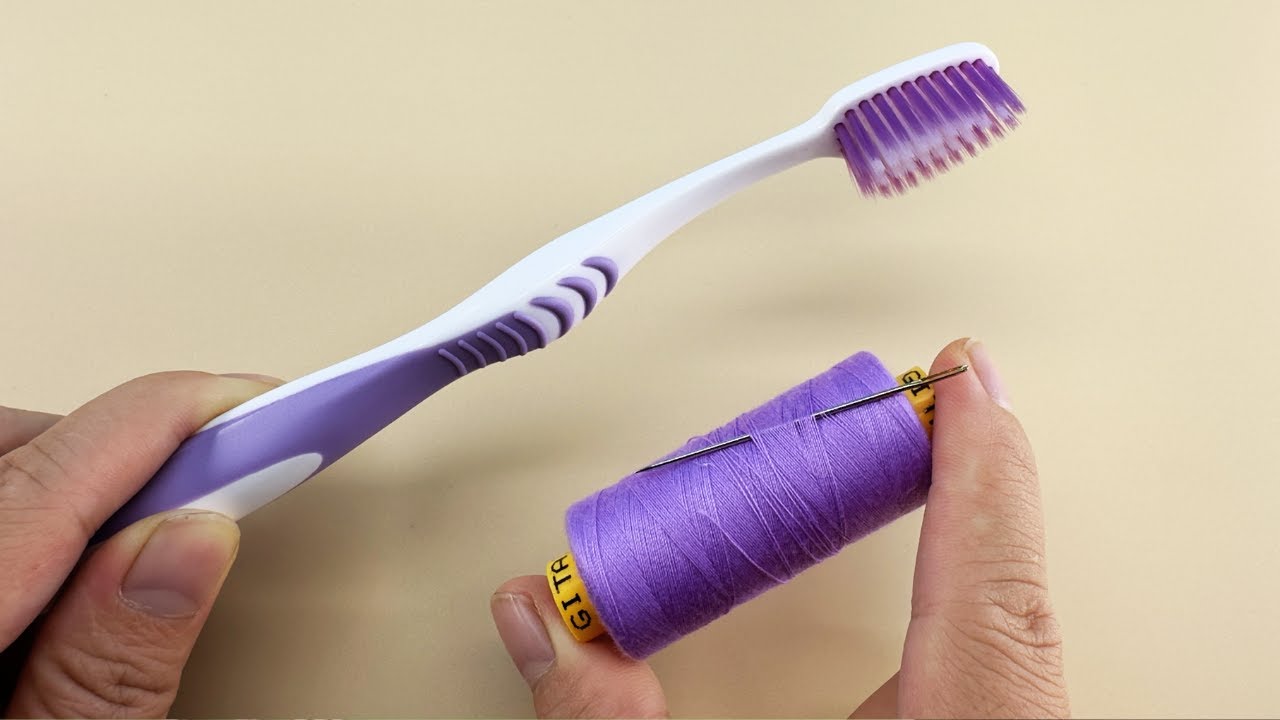
Have you ever found yourself struggling to pass a needle through a tiny thread? It’s a common challenge that can lead to frustration and wasted time, especially when you’re in the middle of a sewing project. The good news is that you might already have the perfect solution sitting right in your bathroom cabinet. A simple toothbrush can be your best helper in getting that thread into the needle with ease. Read on to discover some clever techniques that can simplify your sewing experience.
Selecting the Right Toothbrush
Before diving into the techniques, it’s essential to choose the right toothbrush for the task. A few key factors can make a significant difference.
1. Choose the Right Bristle Type
- Opt for soft or medium bristles. These are less likely to damage the thread while still providing enough grip.
- Avoid hard bristles as they can fray the thread or create unnecessary tension.
2. Consider the Handle Design
A toothbrush with a comfortable grip can make handling easier. Styles with ergonomic handles will allow you to manipulate the toothbrush without straining your hand.
3. Look for Added Features
Some toothbrushes come with built-in gum massagers or rubber grips. These features can add comfort and stability to your threading process.
Techniques for Effective Threading
Once you’ve selected your toothbrush, it’s time to explore how to use it effectively for needle threading.
1. Threading the Needle
- Hold the needle upright in one hand and the toothbrush in the other.
- Pass the thread through the bristles of the toothbrush and guide it towards the needle’s eye.
- Push the toothbrush gently while guiding the thread into the needle. The bristles offer added stability, making it easier.
2. Using the Toothbrush for Multiple Threads
If you’re working with several threads, the toothbrush can also assist. Here’s how:
- Gather the strands of thread together.
- Wrap them gently around the bristles to keep them organized.
- Guide each strand individually to the needle’s eye with ease, allowing for more efficient threading.
3. Rounding Out the Edges
A toothbrush can help smooth out the edges of polyester or nylon threads. Here’s a tip:
- Rub the thread gently against the bristles. This action can help to round the ends, making it easier to thread through the needle.
Common Mistakes to Avoid
While using a toothbrush can greatly enhance your needle threading experience, there are some common pitfalls to be aware of.
- Using a toothbrush that has hard bristles, which can fray your thread.
- Neglecting to clean the toothbrush beforehand. Residue or dental products can affect the thread.
- Forgetting to practice with the toothbrush before starting your project, which may lead to frustration.
FAQs
How can I make threading easier?
Using a toothbrush with soft bristles and a comfortable grip can help simplify the threading process.
Can any toothbrush be used for this technique?
While any toothbrush can work, it’s best to select one with soft bristles and an ergonomic design for better control.
Are there other tips for threading needles?
Besides using a toothbrush, try dampening the thread’s end slightly to help it pass through the needle’s eye more easily.
Conclusion
Using a toothbrush for needle threading can effectively make the process smoother and more manageable. With the right techniques and tools, you can enhance your sewing experience significantly. Have you tried any of these methods, or do you have your unique tricks? Share your thoughts in the comments!