7 Early Signs of Heart Disease You Must Never Ignore!
7 Early Signs of Heart Disease You Must Never Ignore
- Understanding Heart Disease
- Early Signs to Watch For
- Common Risk Factors
- Mistakes to Avoid
- Frequently Asked Questions
Understanding Heart Disease
Heart disease affects millions of people, often without clear symptoms until later stages. You might experience subtle changes in your body that could indicate a risk of heart disease. Recognizing these early signs can lead to timely intervention and better health outcomes. Paying close attention to your body’s signals is essential for maintaining your heart health.
Early Signs to Watch For
Identifying early symptoms of heart disease is crucial. Here are some common signs that you should never ignore:
- Chest Pain: Discomfort or pain in the chest can be a warning sign. It may feel like pressure or squeezing.
- Shortness of Breath: Difficulty breathing during everyday activities or even at rest could indicate heart problems.
- Fatigue: Unusual tiredness without exertion, especially in women, can be a symptom of impending heart issues.
- Palpitations: A sensation of rapid beating or fluttering in the chest might signal an irregular heartbeat.
- Swelling: Retaining fluid, especially in the legs and ankles, can signify heart failure.
Understanding Each Sign
Each of these symptoms can vary in intensity and duration. Recognizing them early on allows you to consult a healthcare provider for further evaluation and guidance.
Tracking Your Symptoms
Keeping a journal of your symptoms can help you notice patterns and share this information with your healthcare provider, improving your chances of timely intervention.
Common Risk Factors
Besides recognizing symptoms, understanding risk factors can help you assess your likelihood of heart disease. Here are some prevalent ones:
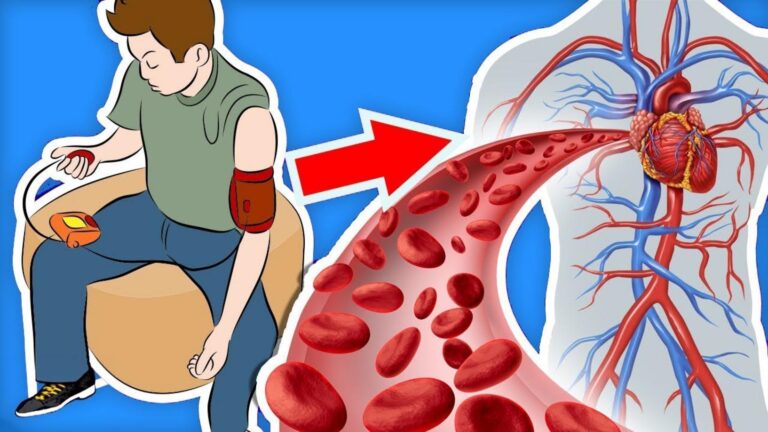
- High blood pressure
- High cholesterol levels
- Diabetes
- Obesity
- Smoking
Addressing Lifestyle Choices
Implementing positive changes in your lifestyle, such as a balanced diet and regular exercise, can significantly reduce your risk. Monitoring these factors along with your symptoms creates a comprehensive picture for your health.
Regular Health Screenings
Scheduling regular check-ups with your healthcare provider is essential. Early detection of risk factors provides an opportunity for targeted prevention strategies.
Mistakes to Avoid
When it comes to recognizing heart disease symptoms, there are some common pitfalls to steer clear of. Here are a few mistakes that can hinder your awareness and response:
- Ignoring persistent symptoms: Never dismiss ongoing discomfort as mere fatigue or aging.
- Neglecting family history: Being aware of your family’s heart health can help you understand your risks better.
- Avoiding preventive care: Skipping routine screenings can lead to missed opportunities for early intervention.
- Delaying medical attention: Don’t wait for symptoms to escalate; seek guidance sooner rather than later.
Frequently Asked Questions
Q1: What are the first symptoms of heart disease?
A1: Early symptoms may include chest pain, shortness of breath, fatigue, palpitations, and swelling in the legs.
Q2: How can I reduce my risk of heart disease?
A2: Maintaining a healthy lifestyle with a balanced diet, regular exercise, and regular check-ups can significantly lower your risk.
Q3: Should I be concerned if I notice these symptoms?
A3: Yes, noticing any early signs warrants a discussion with a healthcare provider for appropriate assessment and advice.
Conclusion
Being aware of the early signs of heart disease and understanding risk factors can empower you to take control of your heart health. Have you or someone you know experienced any of these signs? Feel free to share your thoughts below.