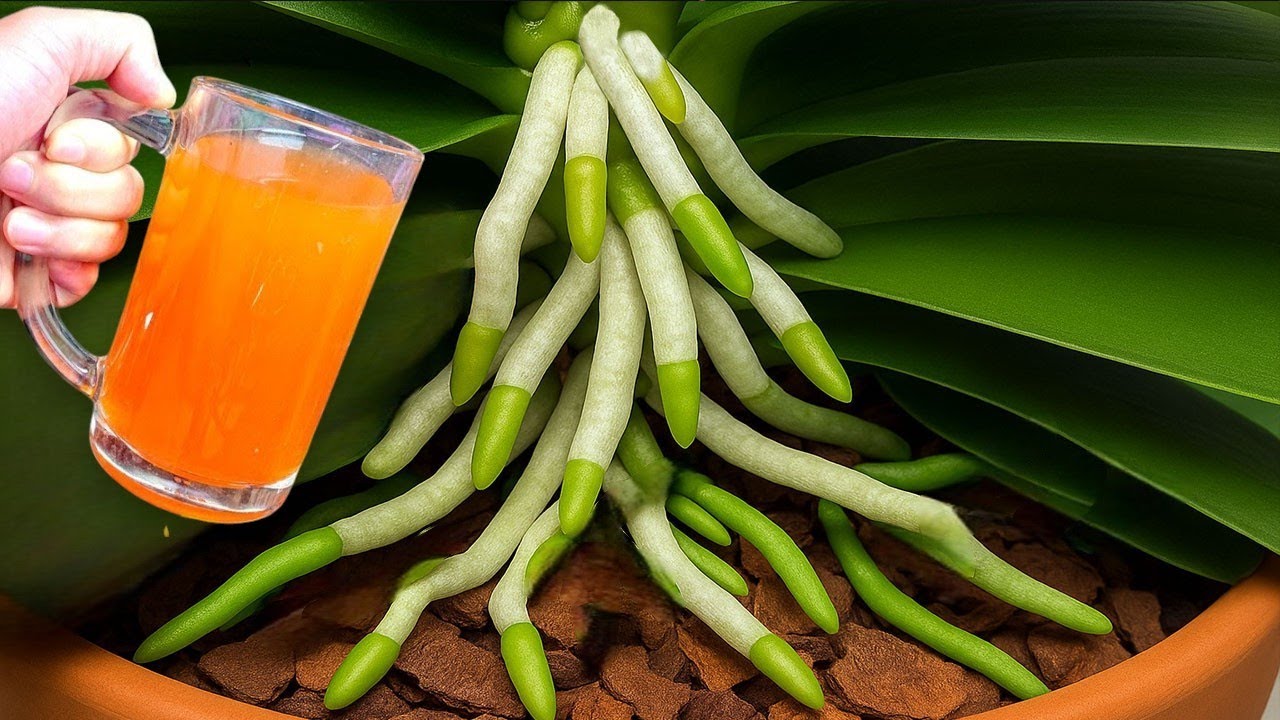
Sprinkle 1 Spoon to Help Your Orchids Grow 1001 Roots and Bloom Beautifully!
Sprinkle 1 Spoon to Help Your Orchids Grow 1001 Roots and Bloom Beautifully
- Introduction
- Understanding Orchid Needs
- Benefits of Nutrition for Orchids
- How to Nourish Your Orchids
- Common Mistakes to Avoid
- FAQ
- Conclusion
Introduction
Caring for orchids can often feel like a challenge, especially when you notice that they’re not producing the vibrant blooms you desire. You might be using the right potting mix or maintaining proper light conditions, but something seems to be missing. Many orchid enthusiasts face the same dilemma, struggling to find the key to unlocking their plants’ full potential. While there are several approaches to nurturing these beautiful plants, one simple solution could pave the way for an abundance of roots and stunning flowers. Read on to discover how.
Understanding Orchid Needs
Orchids are unique plants with specific requirements that differ from other houseplants. Knowing what they need is crucial for successful growth.
Watering Requirements
Orchids prefer a well-balanced watering schedule. Ensure the potting medium dries out partially before watering again. Overwatering can lead to root rot, while underwatering can cause your plants to stress.
Light Conditions
Most orchids thrive in bright, indirect light. Placing them near a window that filters sunlight is ideal. Direct sunlight can scorch the leaves, negatively affecting their health.
Humidity Levels
Orchids flourish in high humidity environments, ideally around 50-70%. You can increase humidity by misting the plants or placing a tray of water nearby.
Benefits of Nutrition for Orchids
Providing the right nutrients will significantly enhance your orchids’ growth and flowering potential. Here’s why nutrition is vital:
Improved Root Development
Healthy roots are the backbone of any good orchid. Proper fertilization supports robust root systems that can absorb water and nutrients more efficiently.
Vibrant Blooms
With balanced nutrition, your orchids will produce brighter and more abundant flowers. Nutrients can help trigger the blooming cycle, ensuring that your orchids display their beauty.
Overall Plant Health
Nourished orchids are less susceptible to pests and diseases, creating a healthy environment for growth. Proper nutrition can improve their resilience to stress factors.
How to Nourish Your Orchids
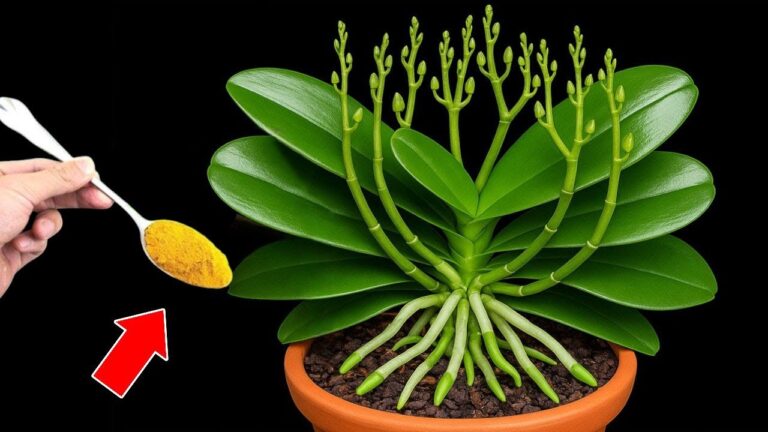
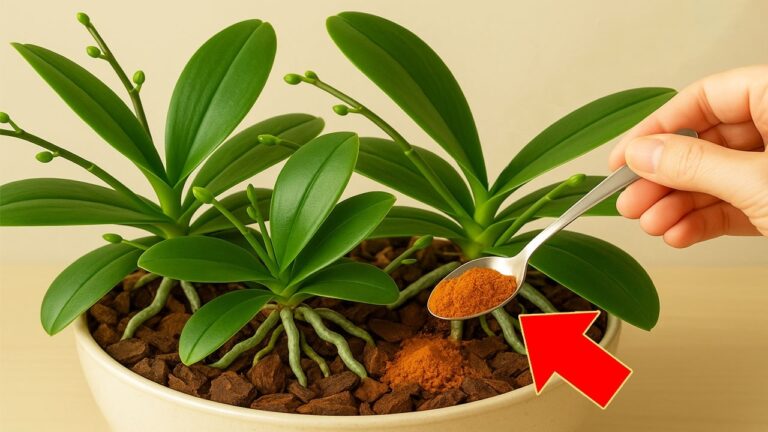
To ensure your orchids receive the nutrients they need, consider a simple approach using household items. Here’s how you can incorporate a nutrient-rich routine.
Ingredients You’ll Need
- 1 table spoon of Epsom salt
- 1 gallon of water
Steps to Nourish Your Orchids
- Dissolve the Epsom salt in the gallon of water.
- Soak the orchid roots in this nutrient solution for about 30 minutes.
- Drain any excess moisture before placing your orchids back in their pots.
- Repeat this process every 4 to 6 weeks during the growing season.
Additional Tips
- Observe your orchids; if they’re growing new roots, you’re on the right track.
- Adjust watering frequency based on seasonal changes.
- Monitor leaf health as a sign of nutrient uptake.
Common Mistakes to Avoid
Even seasoned orchid growers can fall into traps that hinder their plants’ success. Here are some common pitfalls to be cautious of:
- Overwatering: This is one of the leading causes of orchid failure. Always allow the medium to dry out between waterings.
- Ignoring light needs: Ensure your orchids get enough light, but avoid direct sunlight to protect their leaves.
- Improper fertilization: Fertilizing too frequently can damage the roots. Stick to a schedule of every month or bi-monthly during growing periods.
- Neglecting humidity: If your home is dry, your orchids may struggle. Consider using a humidifier or pebble tray to maintain humidity levels.
FAQ
How often should I water my orchids?
It’s best to water your orchids every 7 to 14 days, depending on environmental conditions like temperature and humidity.
What type of fertilizer is best for orchids?
A balanced orchid fertilizer with a ratio like 30-10-10 is often recommended. It provides essential nutrients without overwhelming the plants.
Why aren’t my orchids blooming?
Orchids may not bloom due to insufficient light, improper watering, or lack of necessary nutrients. An adjustment in care can often revive their blooming cycle.
Conclusion
Nourishing your orchids with a simple Epsom salt solution can greatly enhance their growth and flowering capabilities. By avoiding common mistakes and understanding your orchids’ needs, you’ll cultivate a thriving indoor garden. What strategies do you find most effective for encouraging blooms in your orchids?