
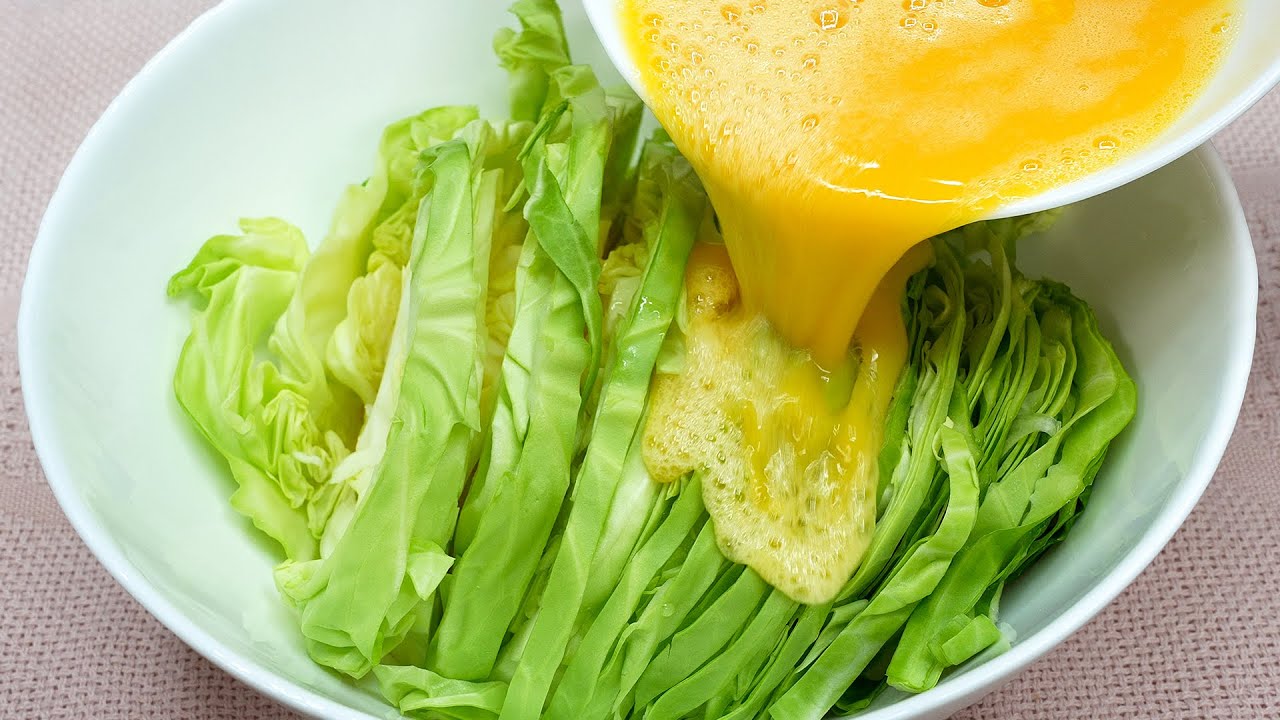
6 Tasty ASMR Cabbage Recipes That Will Change Your Cooking Forever!
6 Delicious Cabbage Recipes You Need to Try
- Introduction
- Nutritious Benefits of Cabbage
- Recipe Variations to Consider
- Step-by-Step Recipes
- Common Mistakes
- FAQ
- Conclusion
Introduction
You might find yourself standing in the kitchen, a head of cabbage in hand, wondering what to do with it. It often sits forgotten in the vegetable crisper, overlooked for flashier ingredients. Yet, cabbage is a versatile vegetable that can inspire a range of delightful dishes. Whether you are seeking quick meals or something to impress guests, cabbage can step up to the plate. Keep reading to explore recipes that highlight its potential.
Nutritious Benefits of Cabbage
This leafy green vegetable is not only full of flavor but also packed with numerous health benefits. Here are some reasons to incorporate it into your meals:
- Rich in Nutrients: Cabbage contains vitamins C, K, and B6, contributing to overall health.
- High in Fiber: This helps with digestion and keeps you feeling full, which is excellent for weight management.
- Antioxidant Properties: Cabbage has antioxidants that may help reduce inflammation and protect your body from chronic diseases.
Recipe Variations to Consider
Cabbage can be adapted to a wide variety of cooking styles and cuisines. Here are some culinary variations that can inspire your next dish:
- Stir-Fries: Pair cabbage with a mix of colorful vegetables and your choice of protein for a quick stir-fry.
- Salads: Shredded raw cabbage can add a crunchy texture to salads; consider a tangy vinaigrette as a dressing.
- Fermentation: Try making homemade sauerkraut for a fermented treat packed with probiotics.
Step-by-Step Recipes
1. Cabbage Stir-Fry
This quick and easy dish can be customized with your favorite vegetables and protein.
- Gather your ingredients: 1 head of cabbage, 2 carrots, soy sauce, and protein of choice.
- Slice the cabbage and carrots thinly for even cooking.
- Heat a tablespoon of oil in a skillet over medium heat.
- Add the carrots and sauté for 2 minutes, then add cabbage.
- Pour in soy sauce and cook until the cabbage is wilted. Serve warm.
2. Refreshing Cabbage Salad
This salad brings a crisp, fresh taste to your table and pairs well with various dressings.
- Shred half a head of cabbage and place it in a bowl.
- Chop a bell pepper and a handful of cilantro; add to the cabbage.
- Whisk together olive oil, lemon juice, salt, and pepper for dressing.
- Pour the dressing over the salad, toss well, and serve chilled.
3. Homemade Sauerkraut
Fermenting cabbage is easy and rewarding; it enhances flavors and adds probiotics to your diet.
- Slice one whole cabbage and place it in a large bowl.
- Add 1 tablespoon of salt and massage the cabbage until it releases liquid.
- Packer the cabbage tightly into a clean jar, ensuring there’s enough liquid to cover it.
- Cover with a cloth and let it sit at room temperature for 1-4 weeks to ferment.
Common Mistakes
It’s easy to overlook some details when working with cabbage. Here are common mistakes to avoid to ensure your dishes turn out well:
- Not washing cabbage properly can result in dirt and grit in your meal.
- Overcooking cabbage may lead to a mushy texture; keep it slightly crunchy.
- Ignoring flavor balance; season cabbage dishes well to enhance taste.
FAQ
Can you eat cabbage raw?
Yes, raw cabbage can be eaten in salads, providing crunch and nutrition. It’s also great for coleslaw.
How should cabbage be stored?
Keep cabbage in the refrigerator, wrapped in plastic, and it can last for about 1-2 weeks.
Are there any side effects of eating cabbage?
In large quantities, cabbage can cause gas or bloating for some individuals, but moderation typically poses no issues.
Conclusion
These cabbage recipes offer a wonderful way to incorporate this nutritious vegetable into your meals. With a few simple ingredients and steps, you can create dishes that satisfy both your palate and your health. What is your favorite way to use cabbage in cooking?