5 Simple Steps to Make Your Orchids Bloom Year-Round Effortlessly
5 Simple Steps to Make Your Orchids Bloom Year-Round Effortlessly
- Understanding Orchid Care
- Optimal Lighting for Orchids
- Watering Techniques for Healthy Blooms
- Nutrient Needs of Orchids
- Common Mistakes to Avoid
- FAQ
Understanding Orchid Care
Orchids can be somewhat temperamental, often leaving even seasoned gardeners puzzled when their stunning blooms don’t appear. You might find yourself wondering why your orchids aren’t thriving despite following care instructions diligently. Understanding the basic needs of orchids is essential for encouraging healthy growth and year-round blooms. Let’s explore how to create the perfect environment for your delicate friends.
Common Types of Orchids
Orchids come in various species, and knowing which type you have can guide your care routine. Some popular options include:
- Phalaenopsis (Moth Orchid): Ideal for beginners, blooms year-round.
- Dendrobium: Requires bright light, known for vibrant colors.
- Cattleya: Often known as the corsage orchid, enjoys bright, indirect light.
The Right Environment
To create a flourishing environment, your orchids need specific conditions:
- Temperature: Most orchids thrive in temperatures between 65°F to 75°F (18°C to 24°C).
- Humidity: Aim for a humidity level of 50% to 70% for optimal blooming.
- Air circulation: Good airflow is vital for preventing diseases.
Optimal Lighting for Orchids
Proper lighting is crucial for making your orchids bloom. Too little or too much light can hinder flower production. It’s important to find a balance that suits your plants.
Types of Lighting
Different types of lighting can affect your orchids:
- Natural sunlight: Placing them near a window with filtered light is ideal.
- Artificial lights: Full-spectrum grow lights can supplement natural sunlight, especially in winter.
Signs of Adequate Light
To determine whether your orchids are getting the right amount of light, look for:
- Healthy green leaves, not yellow or scorched.
- Bloom production, occurring typically once a year for many types.
Watering Techniques for Healthy Blooms
Watering is often where many people go wrong, and understanding how to water properly can lead to thriving orchids. Let’s dissect the best practices.
When to Water
Establishing a watering schedule is key. Generally:
- Check moisture levels by sticking your finger in the potting medium.
- Water when the top inch feels dry to the touch.
- Avoid letting the plant sit in standing water.
Best Watering Method
The method of watering can impact your orchid’s health:
- Soaking method: Submerge the pot in a bowl of water for about 15 minutes, then let it drain.
- Drip method: Water directly onto the medium until it runs through the drainage holes.
Nutrient Needs of Orchids
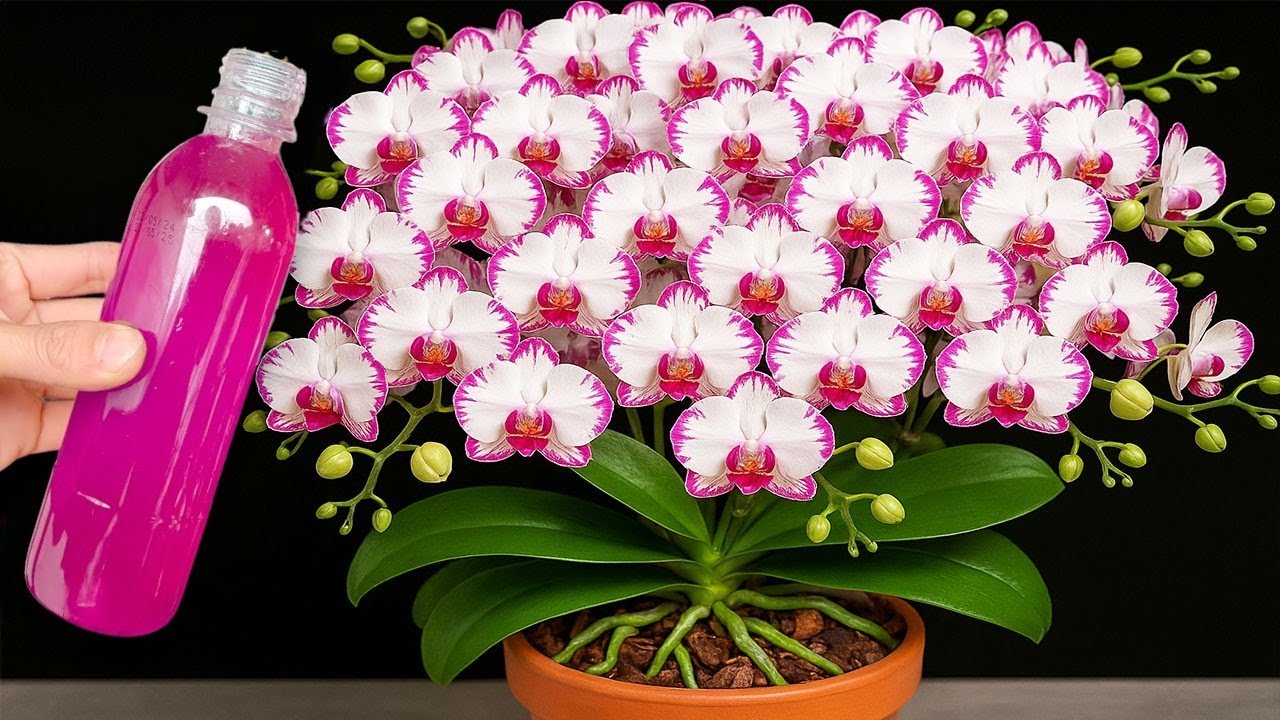
Fertilizing your orchids is another important step in making your orchids bloom. They require specific nutrients at different stages of growth.
Types of Fertilizers
Here’s what you need to know about fertilizing:
- Balanced fertilizers: An NPK ratio of 30-10-10 is effective during the growing season.
- Bloom boosters: Use these during the blooming phase for vibrant flowers.
Fertilization Schedule
A good fertilization routine includes:
- Fertilize every two weeks during the growing season (spring and summer).
- Reduce to once a month in fall; avoid fertilizing in winter.
Common Mistakes to Avoid
Even seasoned orchid enthusiasts can make errors that prevent blooms. Here are some mistakes to watch out for:
Overwatering
While orchids thrive on moisture, overwatering can lead to root rot. Ensure your potting medium dries out between waterings.
Ignoring Potting Medium
Using the wrong potting medium can stunt growth. Make sure to use a well-draining mix suitable for your orchid variety.
Temperature Fluctuations
Sudden temperature changes can shock your orchids. Keep them away from drafts and heating vents.
Inadequate Pruning
Failing to prune spent blooms can affect future flowering cycles. Trim back dead roots or floral spikes after blooming.
FAQ
How often should I water my orchids?
Water your orchids when the top inch of the potting medium feels dry, usually every 1-2 weeks, depending on humidity and temperature.
Why aren’t my orchids blooming?
Lack of proper lighting, nutrition, or watering techniques can hinder blooming. Make sure to review your care routine for potential issues.
Can I use regular houseplant fertilizer for orchids?
While you can use general fertilizers, it’s better to use one specifically formulated for orchids to meet their unique nutrient needs.
Conclusion
By following these simple steps—understanding orchid care, optimizing lighting, mastering watering techniques, and addressing nutrient needs—you can successfully enjoy beautiful blooms year-round. What other tips do you have for keeping orchids thriving in your home?