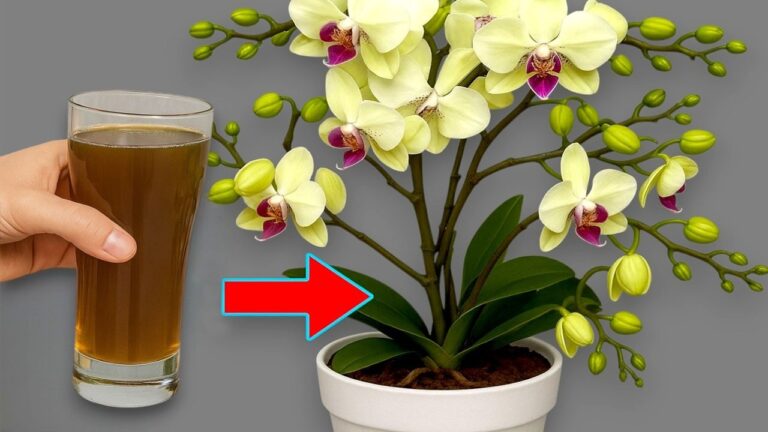
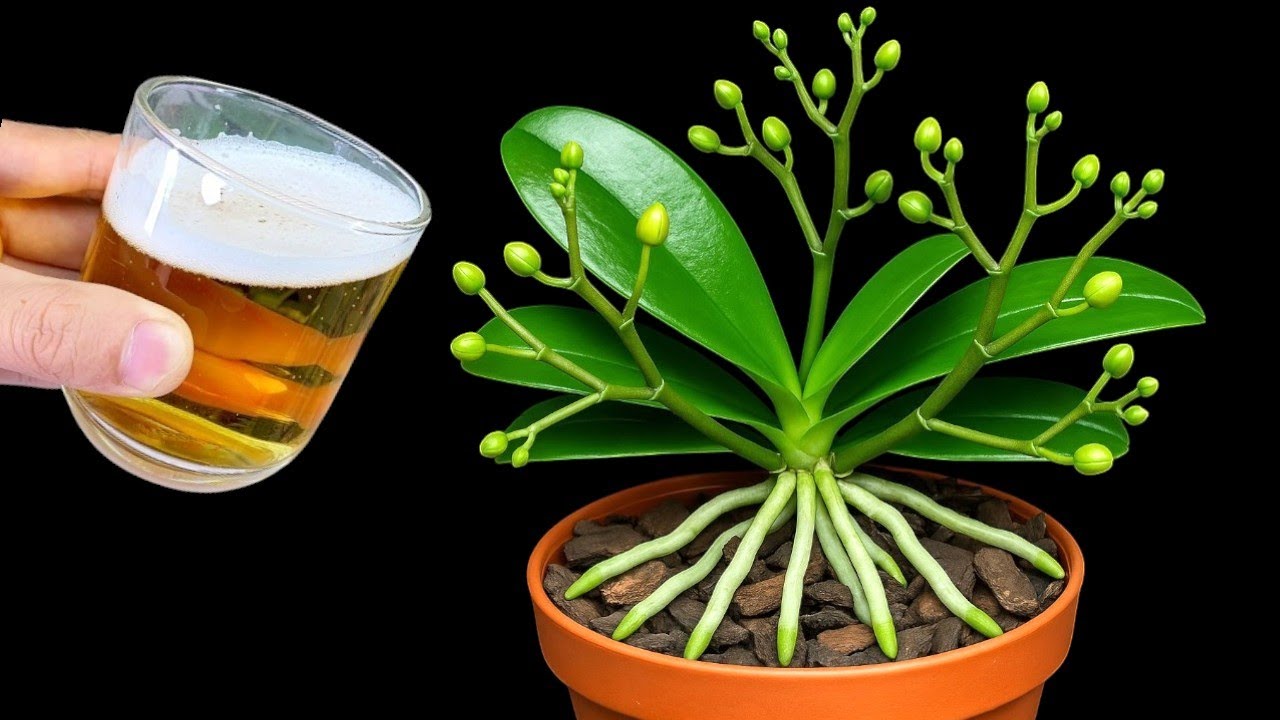
One Pour for 100+ Gorgeous Orchid Flowers with Healthy Roots! Discover How!
One Pour for 100+ Gorgeous Orchid Flowers with Healthy Roots
- Introduction
- Understanding Orchid Needs
- Preparing Your Pour
- Applying the Technique
- Common Mistakes
- FAQ
- Conclusion
Introduction
Caring for orchids can sometimes feel overwhelming, especially when you want them to flourish with vibrant blooms and strong roots. You may have tried various methods, but still find yourself wondering how to achieve the best results with minimal effort. It’s frustrating to see your efforts fall short, isn’t it? This journey reveals a simple yet effective watering technique that can transform your orchid care routine and ensure your plants thrive beautifully.
Understanding Orchid Needs
First, it’s essential to grasp what orchids require to thrive. Orchids are unique, adapting to various environments, and understanding their needs can lead to healthier plants.
1. Potting Medium and Drainage
Your orchid’s potting medium plays a critical role in its health. Orchids need a well-draining medium, often comprised of bark, moss, or stones. This ensures that water doesn’t become stagnant, which can lead to root rot. A stable pot with adequate drainage holes is also vital.
2. Light and Temperature
Orchids thrive in bright, indirect light. Place them near a window with filtered sunlight, ensuring they aren’t in direct sunlight for too long, as this can scorch their leaves. Additionally, they prefer temperatures between 65°F and 75°F during the day, with a slight drop at night.
3. Humidity and Airflow
Maintaining humidity levels around 40-60% will keep your orchids content. You can achieve this by misting your plants or using a humidity tray. Good airflow is also critical to prevent fungal issues, so keeping your orchids in a well-ventilated area is beneficial.
Preparing Your Pour
Now that you understand their needs, it’s time to prepare the watering solution that promotes healthy roots and abundant blooms.
1. Gather Your Ingredients
- 1 tablespoon of orchid fertilizer
- 1 gallon of distilled or rainwater
- A spray bottle for easier application
2. Mix Your Solution
Combine 1 tablespoon of orchid fertilizer into 1 gallon of distilled water. Stir the solution well until the fertilizer is completely dissolved, creating a nutrient-rich solution tailored for your orchids.
3. Timing Your Pour
Water your orchids in the early morning to allow excess moisture to evaporate during the day. This helps you avoid mold and mildew and allows your orchid roots to absorb the nutrients effectively.
Applying the Technique
With your solution ready, you’re now equipped to provide your orchids with the nourishing water they need.
1. Pouring Technique
1. Begin by carefully pouring the solution around the base of the plant, avoiding the crown to prevent water pooling, which can lead to rot. 2. Ensure the water saturates the potting medium thoroughly. After pouring, allow the excess to drain completely from the pot.
2. Repeating the Process
Repeat this watering process every two weeks during the growing season and reduce to once a month during dormancy. Adjust the frequency based on the environment—warmer and drier conditions may require more frequent watering.
3. Observing Changes
Keep an eye on your orchids for any signs of stress, such as yellowing leaves or wilting flowers. This can guide you to adjust your watering routine accordingly.
Common Mistakes
Even with a great technique, mistakes can hinder your orchid’s health. Here are common pitfalls to avoid:
1. Overwatering
One of the most frequent mistakes is overwatering. While your orchids require moisture, too much can suffocate the roots and lead to rot. Ensure the potting medium dries out slightly between waterings.
2. Inconsistent Light Exposure
Neglecting light needs can stunt growth. Make sure your orchids receive consistent, indirect light and adjust their location based on seasonal changes in sunlight.
3. Skipping Fertilization
Some might think orchids can thrive without fertilizer. However, they need regular feeding during their active growing season to promote blooming and root health. Stick to a feeding schedule for the best results.
FAQ
What type of water should I use for my orchids? Distilled or rainwater is best, as it lacks the chemicals found in tap water that can harm orchid roots.
How often should I fertilize my orchids? Fertilize every two weeks during the growing season and once a month during dormancy for optimal results.
Can orchids survive in low light? While they can adapt, low light often leads to poor growth and fewer blooms. A bright, indirect light setup is ideal.
Conclusion
Using this one-pour technique can significantly enhance the health of your orchids, leading to stunning blooms and strong roots. By understanding their needs and avoiding common mistakes, you can enjoy the beauty of thriving orchids in your home. What challenges have you faced with your orchids, and how did you overcome them?