7 Warning Signs of Blood Clots You Need to Know Now!
7 Warning Signs of Blood Clots You Need to Know Now
- Introduction
- Recognizing the Warning Signs
- Recognizing Common Symptoms
- Conditions That Increase Risk
- Mistakes to Avoid
- FAQs
- Conclusion
Introduction
Many people go about their daily lives without realizing the hidden dangers of blood clots. You may find yourself sitting for long periods at a desk or traveling for hours, all while feeling completely fine. However, blood clots can present serious health risks if left unrecognized. Knowing the warning signs is essential for your health and well-being. Understanding these signs can help you stay informed and proactive. Continue reading to ensure you’re aware of the critical signs to watch for.
Recognizing the Warning Signs
When it comes to blood clots, early detection can be lifesaving. Here are the primary warning signs you should keep an eye on:
- Swelling: Sudden swelling in one leg can be a sign of deep vein thrombosis (DVT). If you notice swelling that doesn’t go down, seek medical help.
- Pain: A constant pain in your leg—especially in the calf area—can be indicative of a blood clot. If the pain feels sharper or different from typical muscle soreness, consult a healthcare provider.
- Red or discolored skin: Changes in skin color can indicate blood flow issues. Pay attention to any unusual redness or warmth in the area.
- Feeling of heaviness: Some people describe a heavy or aching feeling in their legs. If you feel this unexpectedly, don’t ignore it.
- Temperature changes: A warmer or cooler temperature in one leg compared to the other can also be a sign that something isn’t right.
Recognizing Common Symptoms
The signs of blood clots can vary, and it’s important to familiarize yourself with common symptoms:
- Shortness of breath: Sudden shortness of breath may indicate that a clot has traveled to your lungs, resulting in a pulmonary embolism.
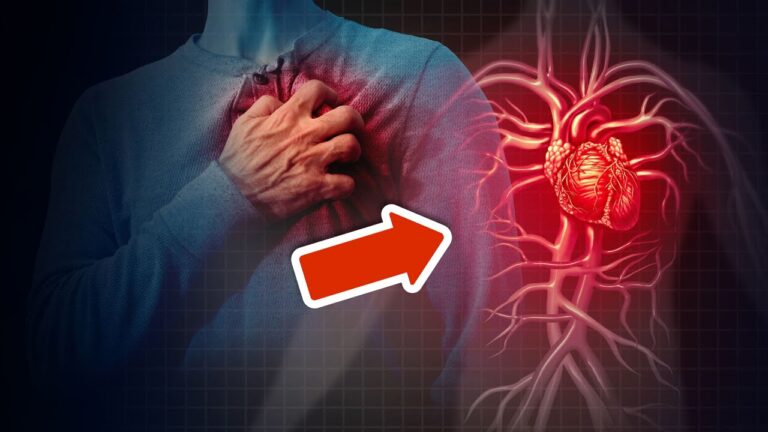
- Chest pain: If you experience chest pain that feels like pressure or a squeezing sensation, it’s crucial to seek immediate medical attention.
- Coughing up blood: Coughing up blood may point to a serious issue and should never be ignored.
Conditions That Increase Risk
Understanding the conditions that can elevate your risk for blood clots is essential:
- Prolonged inactivity: Extended periods of sitting or immobility, such as during long flights, can increase your risk.
- Medical conditions: Certain health issues—like heart disease or cancer—can predispose individuals to blood clots.
- Family history: If your family has a history of clotting disorders, you may be at an increased risk as well.
- Birth control pills: Some hormonal contraceptives can elevate the risk of blood clots, so discussing alternatives with your healthcare provider is vital.
Mistakes to Avoid
Being aware of blood clots is vital, but there are common mistakes many people make regarding their health:
- Ignoring symptoms: Even mild symptoms can indicate a problem, so don’t dismiss them.
- Delaying medical attention: If you suspect a clot, seek help without hesitation.
- Neglecting prevention: Engaging in regular exercise and maintaining mobility can significantly reduce your risk.
FAQs
What are the main causes of blood clots? Blood clots can form due to factors such as prolonged inactivity, certain medical conditions, and hormonal changes.
How can I reduce my risk for blood clots? Staying active, maintaining a healthy weight, and discussing any family history with your doctor can help minimize risk.
When should I see a doctor? If you experience sudden symptoms such as swelling, pain, or shortness of breath, it’s essential to seek medical care immediately.
Conclusion
Recognizing the warning signs of blood clots is crucial for safeguarding your health. Pay attention to any unusual changes in your body and consult a healthcare professional as needed. What signs have you noticed in your health that concern you? Share your thoughts in the comments.